New farmer crop selection guide: Tips for growing crops
"The transition to a farm life requires more than just soil and seeds; it demands a strategic approach to what grows in your fields."
Selecting the right crops for a new farm involves evaluating soil health, seasonal timing, and market demand to ensure long-term viability. This guide provides essential criteria for selecting crops that fit your specific environment and farm goals.
Key takeaways include prioritizing climate compatibility, managing resource limitations, and understanding marketability.
How to choose the right crops for a new farm?
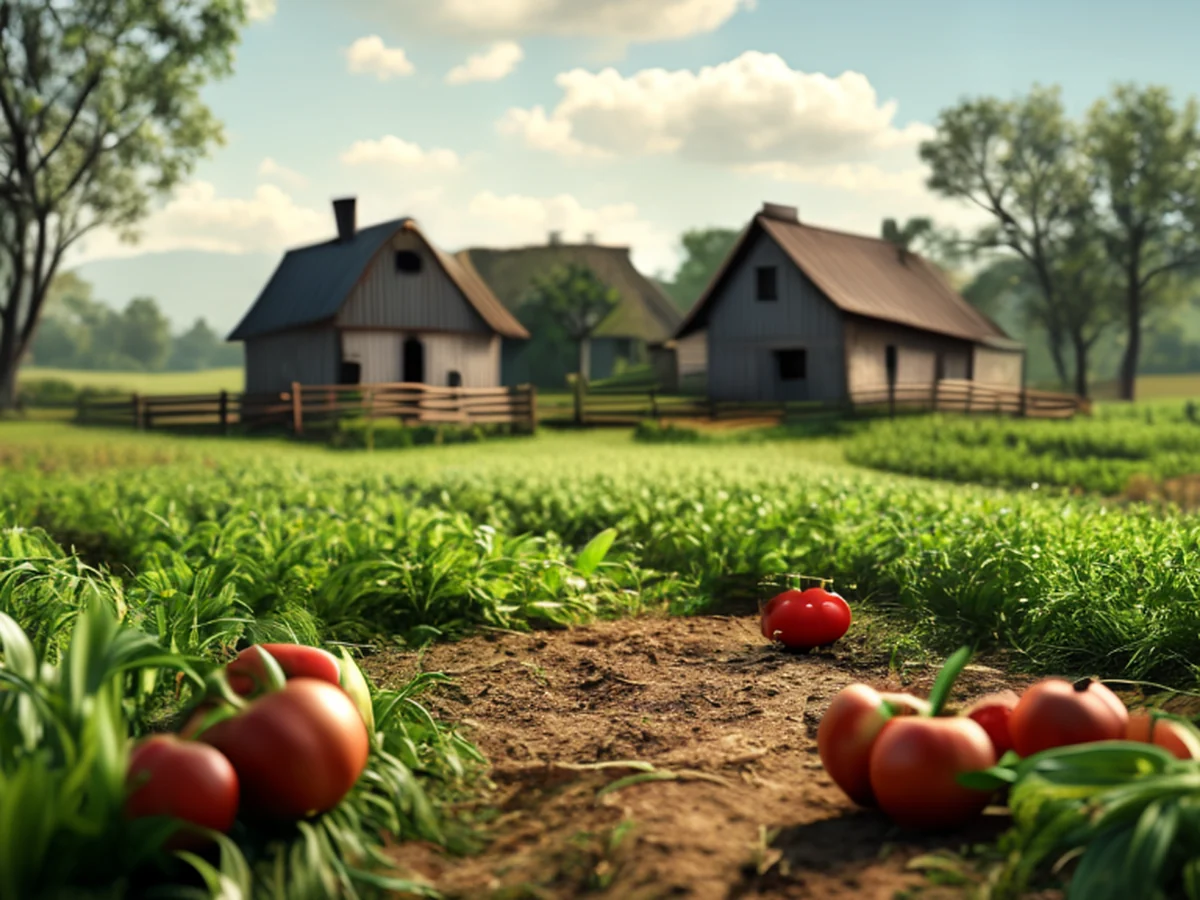
Standing in a vast, empty field with a shovel in hand, a new farmer must look beyond the dirt to see the potential of the land. Choosing the right crops requires a balance between what the environment allows and what the farm needs to remain productive.
The primary criterion is local climate and soil compatibility. You must assess hardiness zones, rainfall patterns, and the nutritional profile of your soil before committing to a specific variety. A crop that thrives in a different region might fail in your specific microclimate.
Resource management is another critical factor. You must consider water availability and the labor required for maintenance. Selecting crops that match your available equipment and physical capacity prevents burnout and financial loss.
Finally, market demand and crop rotation must be part of the selection process. Planting only high-value crops can lead to soil depletion, while planting only low-value crops may not sustain the farm. Balancing these needs ensures a steady harvest and healthy land.
- Assess your available land and climate conditions.
- Evaluate market demand and potential profitability.
- Consider the resource requirements for each crop type.
What are the must-have criteria for picking crops? New farmer crop selection guide At sunrise in the quiet nursery, the farmer runs a hand over a velvet leaf to judge its strength.
Walking through a nursery with a notebook in hand, a farmer evaluates the potential of various seedlings. This process requires looking at the biological needs of the plant and the logistical realities of the farm.
The first step is evaluating environmental suitability. This involves checking if the crop's sunlight requirements and temperature tolerances align with your field's conditions. A mismatch here often leads to stunted growth or total crop failure.
The second step is analyzing the growth cycle. Some crops require long growing seasons, while others are quick to harvest. Matching the growth cycle to your seasonal windows is vital for maximizing land use.
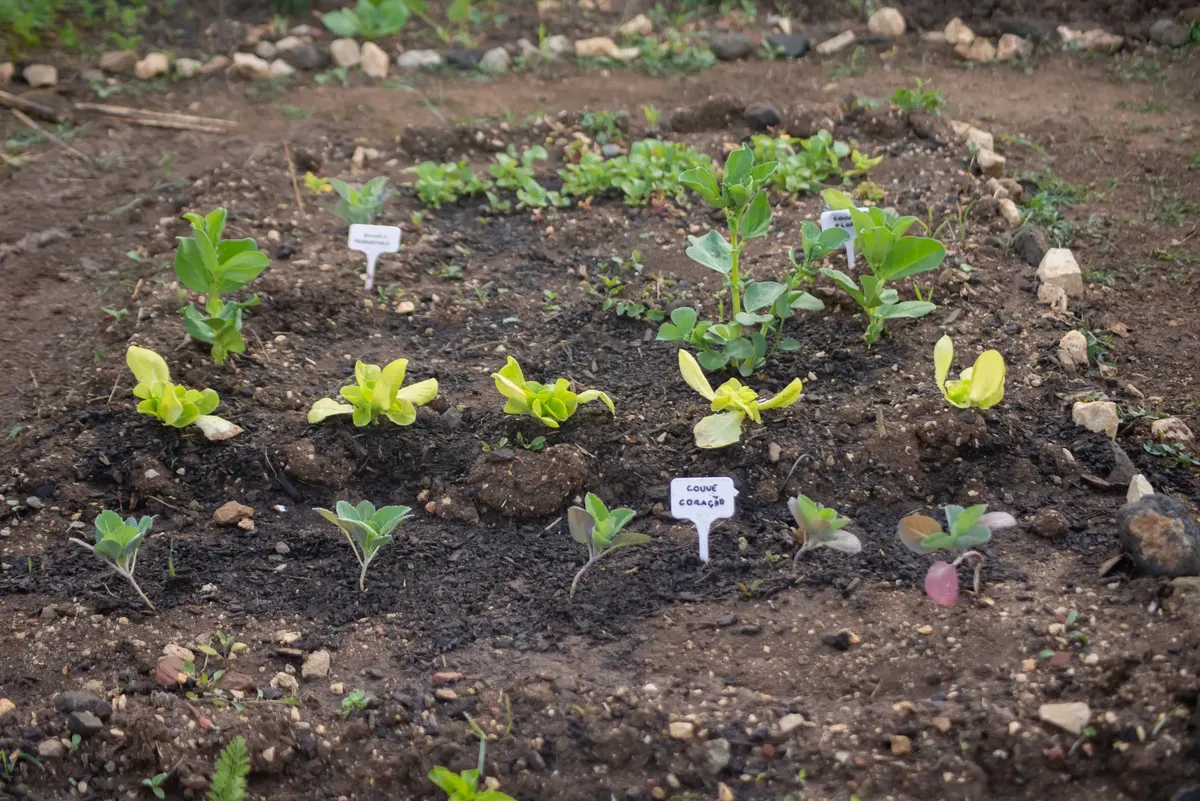
The third step is assessing pest and disease resistance. Selecting varieties that are naturally resistant to local pests can significantly reduce the need for chemical interventions. This contributes to a more sustainable farming operation.
When I was first assessing my own plot, I had to decide between high-maintenance vegetables and hardier grains. I realized that matching the crop to the existing soil nutrients was more important than following trendy planting guides.
In this sequence, the second step is the most extensive.
How do I actually go about selecting crops? Walking along the fence line to inspect the soil texture, a farmer prepares for the first planting season. Following a structured approach helps minimize the risks associated with new agricultural ventures.
- Conduct a comprehensive soil test to determine nutrient levels and pH balance. 2. Research local growing calendars to identify the best planting and harvesting windows. 3. Select a diverse mix of crops to mitigate the risk of total loss from single-event weather changes.
After selecting the seeds, perform a final check of your irrigation setup and tool readiness. Ensuring your infrastructure can support the chosen crops is just as important as the selection itself.
Managing crop variety and limitations
Sitting at a wooden table with a map of the farm, a grower plans the layout of the upcoming season. Understanding that no single crop can solve every problem is a cornerstone of successful farming.
A common mistake is overextending by choosing crops that require specialized equipment you do not yet own. It is often better to start with manageable varieties and expand as your infrastructure grows.
Another limitation is the specific condition of the land, such as drainage issues or shade. A crop that requires perfect drainage will struggle in a low-lying, wet field regardless of how much fertilizer is applied.
| Selection Factor | Primary Consideration | Impact on Farm |
|---|---|---|
| Climate Match | Temperature and Rainfall | Survival Rate |
| Resource Availability | Water and Labor | Operational Cost |
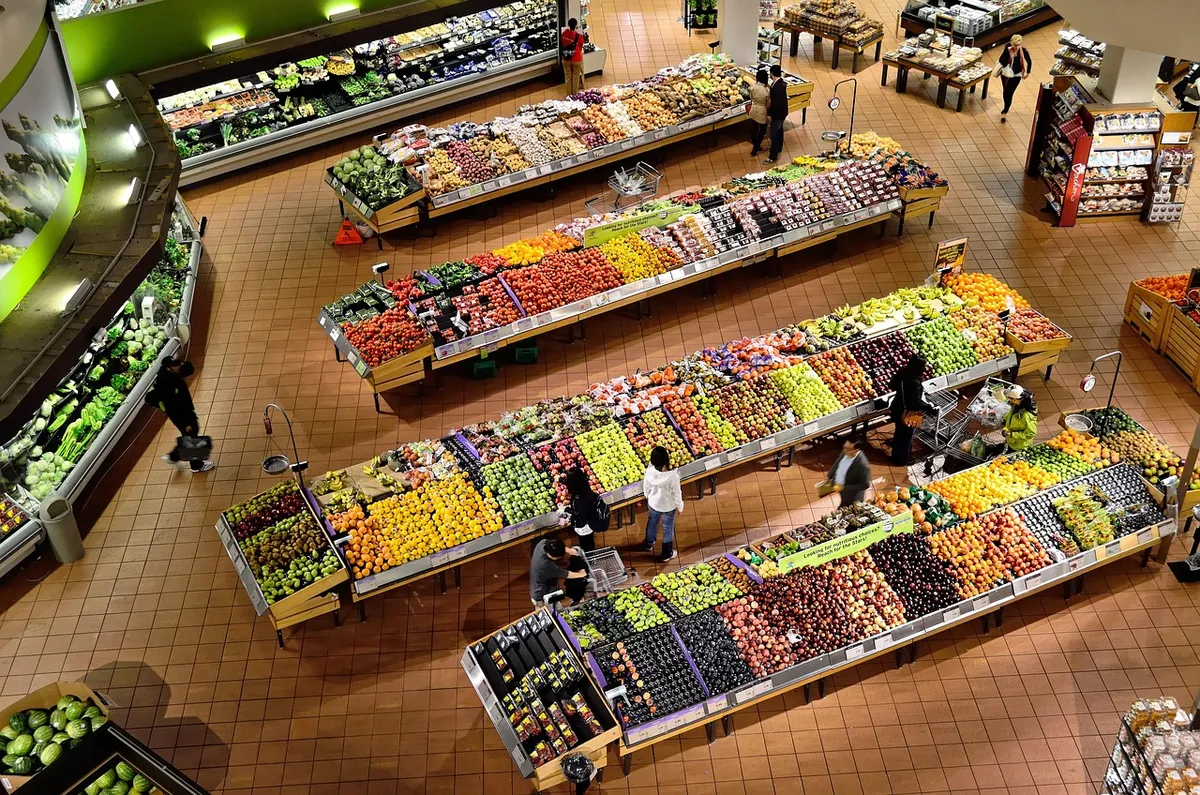
The subject here is New farmer crop selection guide.
The same subject is also called Late season crop choices.
The same subject is also called Farm crop suitability tips.
The same subject is also called Choosing end-of-season crops.
The same subject is also called Best crops for new farms.
This part also covers Guide to late season farming.
This part also covers Crop selection for small farms.
This part also covers Managing end of season crops.
Guide to late season farming
Related
- What are the typical yields of biochar production?
- Organic Farming Guide: Increase farm profit for new farmers
When does the transition to farm life become most challenging? The transition to farm life becomes most challenging when the initial assessment of resource limitations conflicts with market demand projections. A farmer might find that the land supports a certain type of crop, but the local market does not value that product highly enough to sustain the farm. According to the Dervaes Institute, Bertini stated that they initiated legal action at the USPTO to cancel the Dervaes Institute’s trademark for “urban homestead” and “urban homesteading,” but they were unable to get the agency to decide the case.
This difficulty arises because the initial selection process must balance what the environment allows with what the farm needs to remain productive. If the chosen crops are not viable economically, the entire transition faces severe strain.
Understanding the interplay between soil health, climate compatibility, and marketability is crucial during this difficult phase of the transition.
How does soil health influence the transition to farm life? Soil health dictates the foundational capability of the land to support any chosen crop during the transition to farm life. Assessing the nutritional profile of your soil informs which varieties will flourish without excessive external inputs. A poor soil condition necessitates a different crop selection strategy than one starting with rich, balanced earth.
This initial soil evaluation helps determine if the land can meet the biological needs of the plant, which is a prerequisite for any successful farm endeavor. Ignoring soil deficiencies can lead to stunted growth, regardless of how well the climate matches the crop's requirements.
Furthermore, the soil's ability to retain moisture directly relates to resource management, particularly water availability. This comparison between soil capacity and anticipated rainfall patterns guides the selection process for the new farm.



Comments 0