Farm crop layout strategy: How to improve economic parity
"Success in agriculture often hinges on the delicate balance between soil health and economic viability."
Developing a successful farm layout requires balancing resource availability with long-term soil productivity. This guide explores how strategic crop placement and organic management can bridge the gap between conventional and organic production.
Key takeaways include understanding the economic parity requirements, managing soil through specific organic methods, and utilizing available funding to offset initial transition costs.
How can a farm crop layout strategy improve economic parity?
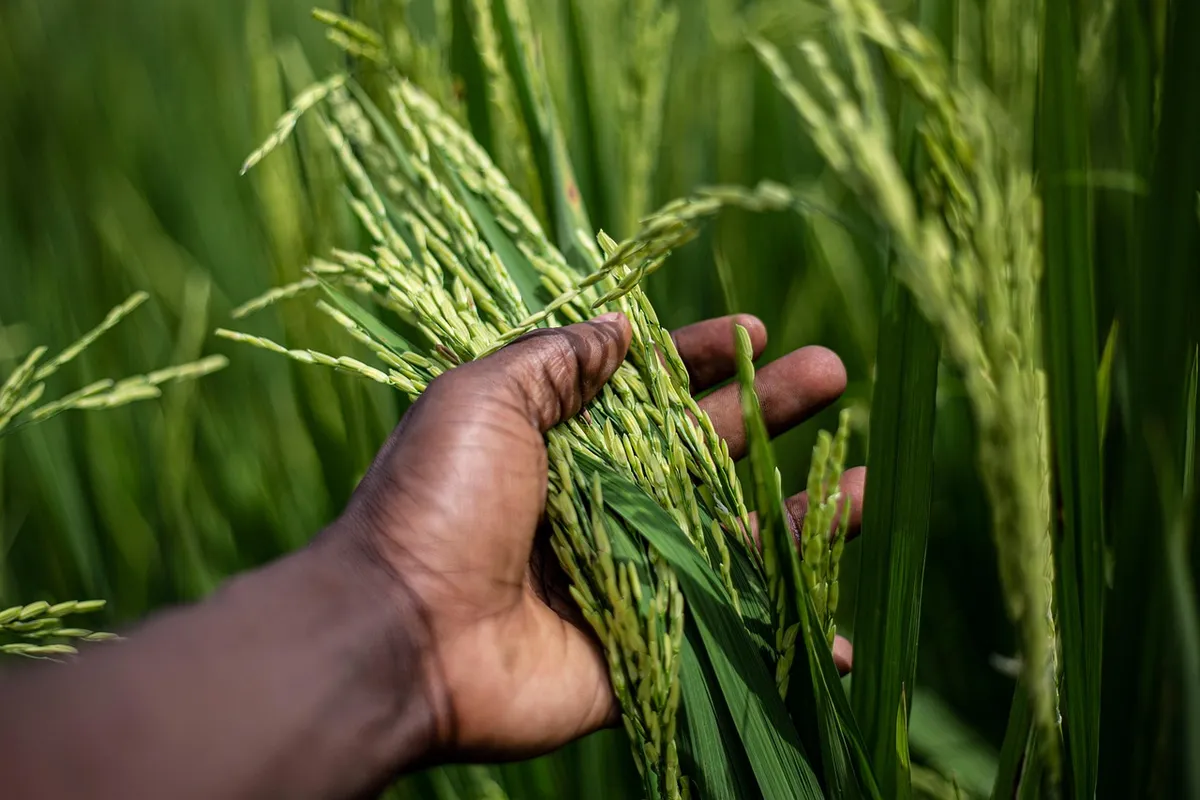
At sunset, the farmer wipes sweat from his brow while staring at the wide farm field, calculating the layout's worth.
A farmer stands at the edge of a field, looking at the rows of emerging sprouts and calculating the cost of seeds versus the expected market price. Achieving financial stability requires a precise understanding of how different farming methods impact the bottom line.
According to data from 22 years of experiments at the Rodale Institute, a price premium of only 10% is required to achieve parity with conventional farming based on current yields and production costs in the United States.
This suggests that a well-planned farm crop layout strategy can make organic transitions financially feasible if the market supports a slight premium. This margin provides a buffer for managing the unique labor requirements of organic systems.
Strategic placement of crops can optimize resource use and minimize input costs, helping to balance profit margins across different growing seasons.
What are the historical drivers of organic crop placement?
A researcher examines old maps of agricultural zones, noting how geopolitical shifts once forced entire nations to change their planting habits. History shows that necessity often drives innovation in how crops are managed and placed.
After the collapse of the Soviet Union in 1991, agricultural inputs previously purchased from Eastern bloc countries were no longer available in Cuba, leading many Cuban farms to convert to organic methods out of necessity.
This transition necessitated new ways of managing field layouts without external chemical inputs. Understanding these historical shifts helps modern farmers appreciate how resource scarcity dictates specific planting strategies.
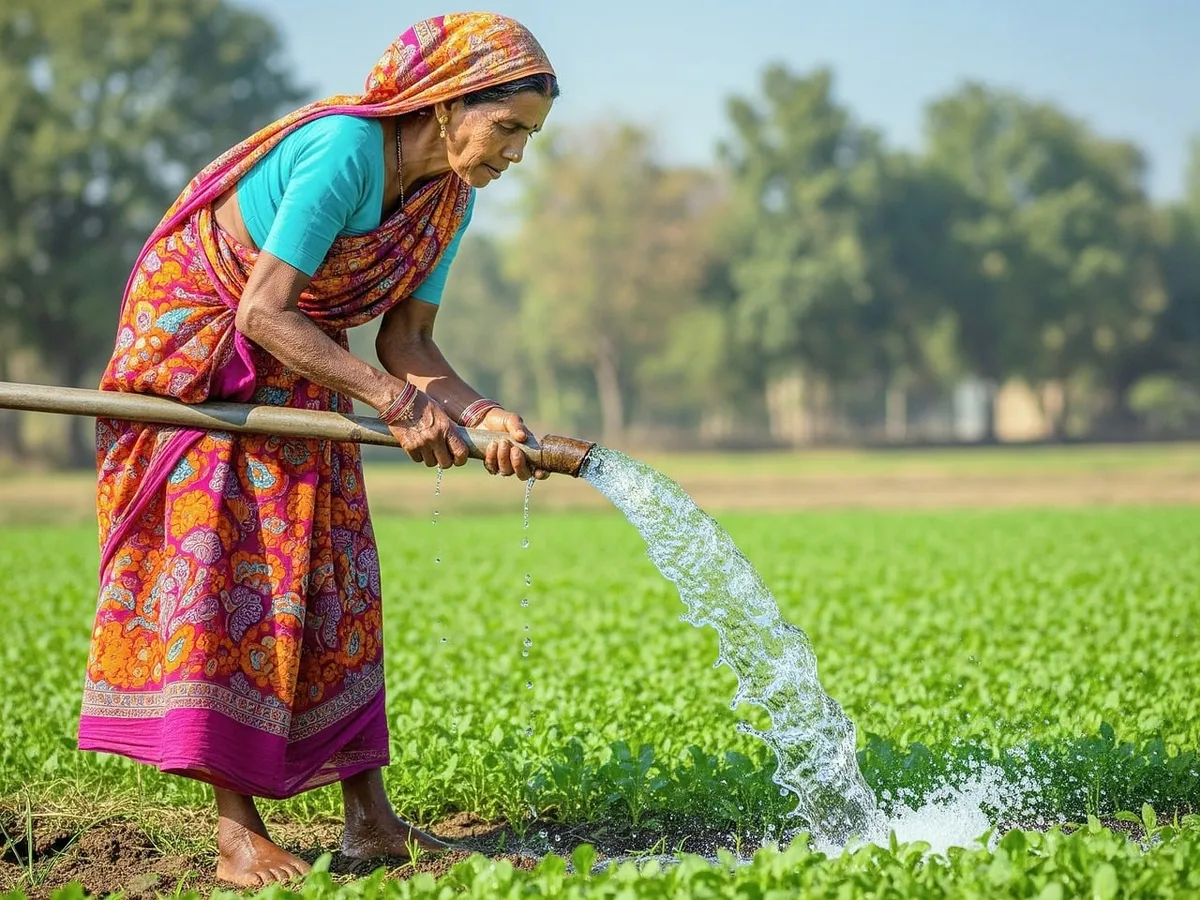
Traditional farming practices often relied on localized knowledge of soil types and microclimates to determine where specific crops would thrive.
How do different cropping methods compare in long-term studies?
A scientist walks through a test plot, comparing the lush growth of legumes against the standard rows of conventional crops. Long-term data is essential for understanding how different biological approaches affect the land over decades.
According to a 2007 study by the Agricultural Research Service, manure applications in tilled organic farming are better at building up the soil than no-till.
A study published in 2005 compared conventional cropping, organic animal-based cropping, and organic legume-based cropping on a test farm at the Rodale Institute over 22 years. This research provides a foundational understanding of how different organic strategies influence soil and yield over time.
Using these insights helps in deciding whether to prioritize animal-based or legume-based systems in a new farm crop layout strategy.
Comparing various methods reveals how different rotation cycles affect yield stability and soil structure over several growing seasons.
What is the best way to build soil health in organic systems?
A farmer applies organic manure to a freshly tilled field, watching the dark, rich earth absorb the nutrients. Soil health is the foundation of any productive farm, especially when moving away from synthetic fertilizers.
A 2007 study by the USDA's Agricultural Research Service has found that manure applications in tilled organic farming are better at building up the soil than no-till. This finding suggests that specific management techniques can significantly impact soil structure and nutrient availability.
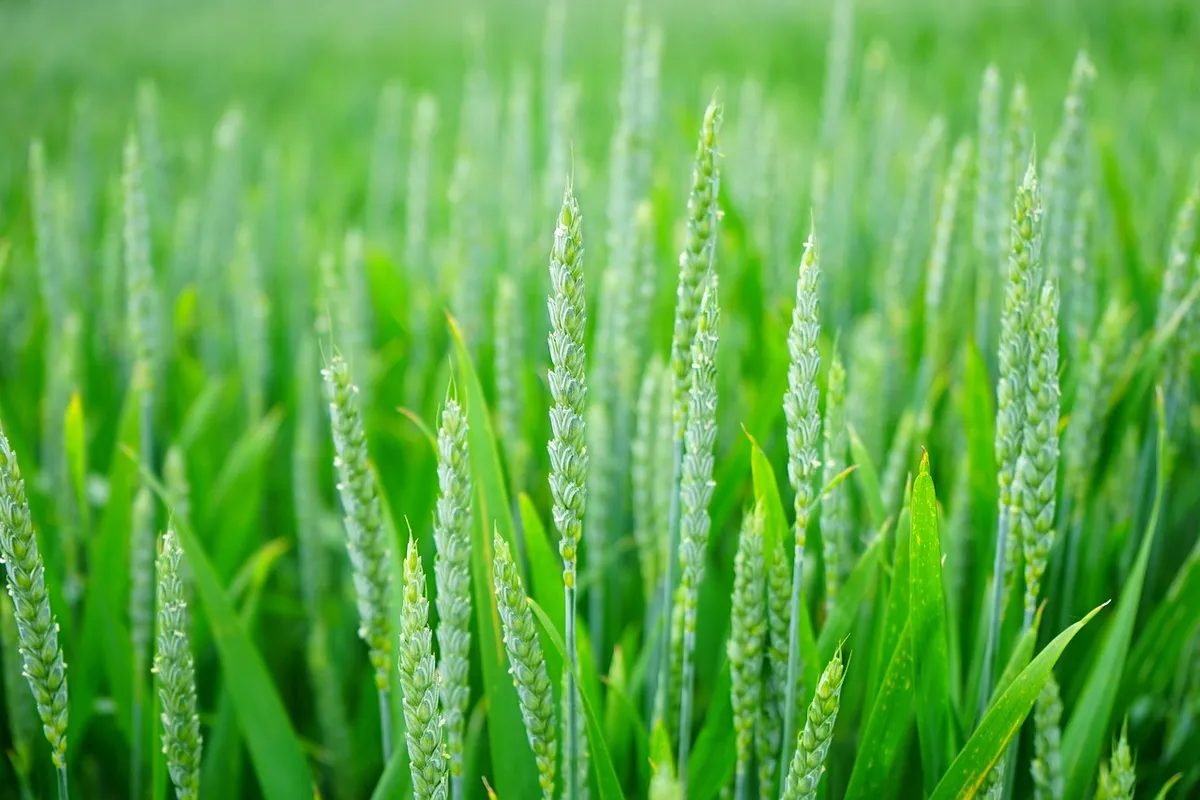
Integrating these findings into a new farmer crop plan ensures that the ground remains fertile for future seasons.
Integrating cover crops and diverse rotations helps maintain organic matter and supports a robust underground ecosystem.
How can farmers manage transition costs through funding?
An administrator reviews grant applications, seeking to bridge the gap between current expenses and future sustainability. Financial planning is a critical component of any successful agricultural transition.
Farmers can look toward specific funding opportunities to help manage the financial burden of transitioning or expanding operations. You can cover up to 50% of costs with IRA (Inflation Reduction Act) funding or 25% with base funding.
By incorporating these possibilities into an optimize farm planting schedule, growers can mitigate the risks associated with changing their management style.
Farmers can look for government grants, low-interest loans, or specialized conservation programs designed to offset the initial financial burden of switching to organic production.
How do I build a timeline for my farm transition?
A grower sits at a desk with a calendar, marking key dates for soil preparation and application deadlines. Proper timing prevents the loss of resources and ensures that biological processes align with the growing season.
To ensure a smooth transition, you must build your timeline with precision. Follow these steps to prepare your management schedule:
- Identify the specific requirements for your chosen organic method to determine necessary soil preparation. 2. Schedule all necessary applications at least 4 weeks before the deadline to avoid logistical delays. 3. Review the timing of nutrient applications against the growth stages of your primary crops.
I found that checking these timelines against the actual planting windows is the most critical step for success. A limitation of these funding and timing strategies is that they are dependent on specific regulatory windows and available budget allocations.
- Assess current soil health and existing infrastructure to determine baseline requirements.
- Develop a multi-year crop rotation plan that aligns with organic certification standards.
- Schedule incremental changes to equipment and input management to spread out capital expenditures.
Related
- Ecological bacteria farming guide: How to maintain heat
- How did historical rice production trends look?: 26 percent
What is the relationship between economic parity and success in agriculture?
Achieving economic parity requires a 10% price premium to offset the costs and yields associated with organic production compared to conventional methods. This financial balance is a prerequisite for long-term success in agriculture when transitioning between management styles.
Comparing the 10% premium to the labor requirements of organic systems shows that the margin acts as a buffer for operational costs. This comparison helps determine if a specific farm layout can maintain financial stability during the transition period.
How do management techniques affect soil and yield?
Management techniques like manure application and legume-based cropping directly influence soil structure and nutrient availability over time. These methods provide a comparison for farmers deciding between animal-based or legume-based organic systems.
- Compare the results of manure applications in tilled organic farming against no-till methods to assess soil-building effectiveness. 2. Evaluate the impact of different organic strategies on soil and yield based on long-term study data. 3. Use the 10% price premium to offset the unique labor requirements of these specific organic management methods.




Comments 0