Soil Health Guide: 5 Steps to Build Perfect Garden Soil
"Plants don't grow in dirt; they thrive in living soil that breathes."
To build a successful garden, you shouldn't just fill a bed with any old earth—you must master "soil amendment" by balancing pH levels and organic matter. The secret to beginner success lies in the strategic mix of lightweight seedling mixes for germination and nutrient-dense compost for long-term structure.
* Target pH: Aim for a slightly acidic to neutral range between 6.0 and 7.0 for optimal nutrient uptake. * The Golden Ratio: Mix drainage enhancers like perlite with organic compost to prevent root rot. * Purpose Matters: Use sterile seedling mixes for starting seeds, but rely on fully aged compost for garden beds. * Sustainability: Prevent soil exhaustion by practicing crop rotation or using green manure to replenish nitrogen.
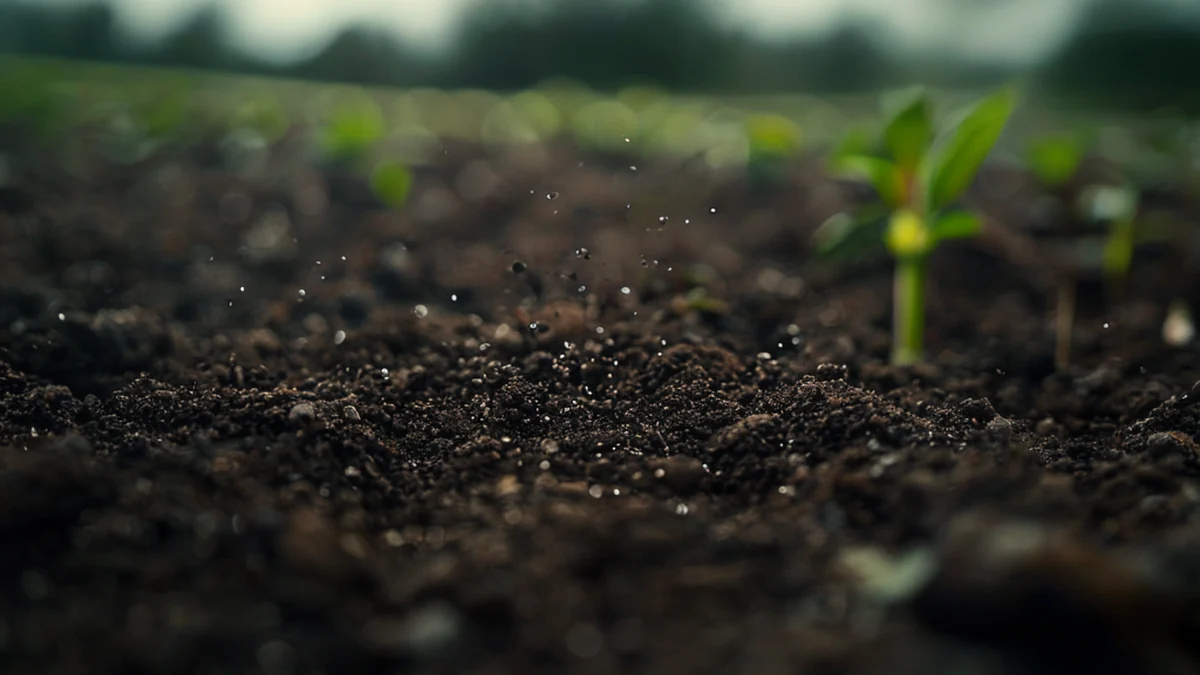
Why is everyone obsessed with "Soil Health" right now?
There has been a massive surge in the home gardening movement across the U.S., and it's not just about aesthetics. According to the National Gardening Association's 2025 report, participation in home gardening grew by nearly 12% compared to previous years.
Searches related to "soil health" and "composting" have been climbing steadily. This aligns with data from the USDA’s 2025 agricultural trends summary, which noted a 15% increase in consumer interest regarding soil-based food sovereignty.
People are realizing that you aren't just growing vegetables; you are managing an ecosystem. Experts often say that crops "eat the soil." This isn't a metaphor—plants absorb nutrients through roots via complex chemical interactions and microbial activity.
I learned this the hard way in Austin during the summer of 2025. I simply scooped up some local clay-heavy dirt, thinking it would be "natural" enough.
Within two weeks, my tomato seedlings were stunted and covered in a fuzzy white mold because the soil was too compacted. It was a costly lesson in why prep work matters more than the seeds themselves.
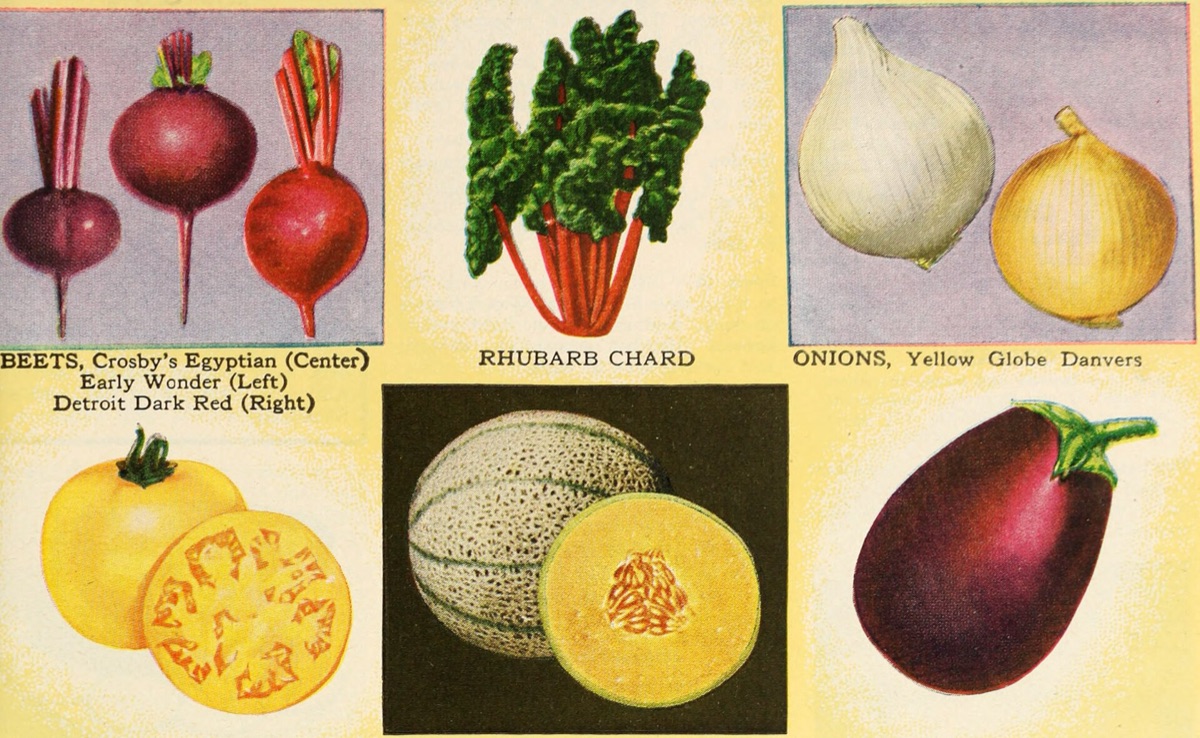
Seedling Mix vs. Compost: What's the real difference?
One of the biggest mistakes I see new gardeners make is using these two terms interchangeably. If you use them incorrectly, you might end up with "burned" roots or soil that turns into a brick-like substance after the first rain.
| Feature | Seedling Mix (Potting Soil) | Compost / Manure |
|---|---|---|
| Primary Goal | Germination and early growth | Improving structure and nutrition |
| Texture/Weight | Very fine, light, and airy | Heavier, chunky, and rich |
| When to Use | At sowing or in seed trays | 2–4 weeks before transplanting |
| Key Caution | Low nutrients; needs feeding | Must be "fully aged" to avoid gas |
Seedling mixes are essentially sterile, lightweight environments designed for maximum aeration. They often contain peat moss or coco coir to keep things fluffy.
Compost, on the other hand, is the "fuel" that builds long-term soil structure. It feeds the beneficial microbes your plants need to survive the intense heat of July 2026.
The 5-Step Recipe for Perfect Garden Soil
If you want to avoid seeing your hard work wither away, follow this systematic approach to building your growing medium.
- Diagnose and Cleanse: If you are reusing old soil, sun-dry it thoroughly to kill pathogens. Urban soils can often be too acidic or contaminated.
- Build the Skeleton (Drainage): Add drainage enhancers like perlite or coarse sand. A good rule of thumb is to incorporate perlite into about 20–30% of your total soil volume.
- Inject Nutrition (Compost): Mix in high-quality, fully decomposed compost. Warning: Never use "hot" manure; it can literally cook your plant's roots. I personally wait at least 14 days after mixing before planting.
- Balance the pH (Lime): Many American garden soils lean toward acidity. Adding a small amount of garden lime helps neutralize the pH and provides essential calcium.
- The Curing Phase: Once mixed, don't plant immediately. Let the soil sit for about a week while keeping it slightly moist to stabilize the microbial environment.
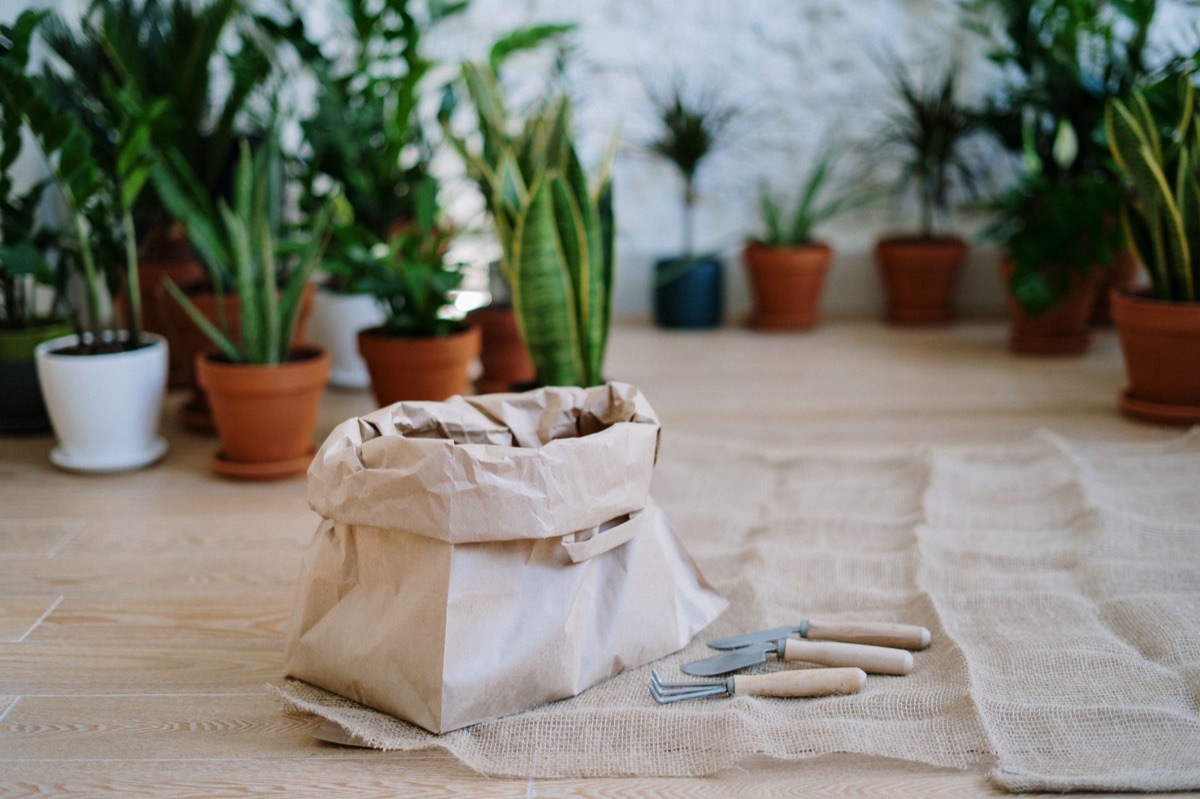
How to prevent soil exhaustion and keep your garden productive?
If you plant tomatoes in the exact same spot every single year, you will run into "soil fatigue." This happens when specific nutrients are depleted and pests begin to build up in the dirt.
To combat this, use these two professional strategies:
* Crop Rotation: If you grew leafy greens in a bed during the spring of 2026, plant heavy feeders like peppers or deep-rooted crops like carrots there next season. * Green Manure: Instead of leaving a bed empty, plant "cover crops" like clover. When you till these back into the earth, they decompose into natural nitrogen.
However, it is important to remember that soil management isn't an exact science. Factors like heavy rainfall or varying compost quality can change your results, so always be ready to adjust your ratios based on how your plants look each season.




Comments 0