Home Gardening: 5 Essential Tips for Your First Harvest
Don't let your first harvest end in a heartbreak of wilted leaves and wasted seeds; success starts with picking the right plants for your space.
To ensure your first gardening season is a win, you must match your crop choice to your specific environment and skill level. The golden rule for beginners is to start with resilient leafy greens before graduating to more demanding fruiting vegetables.
* Skill-Based Selection: Beginners should stick to "Low Difficulty" crops like lettuce or herbs to build confidence. * Space Optimization: Use indoor hydroponics or small pots for apartments, and save raised beds or backyard plots for root and fruit vegetables. * Economic Value: Focus on high-turnover greens like salad mixes to see the fastest return on your investment. * 2026 Trend Alert: With the surge in urban homesteading this year, maximizing small vertical spaces is the top priority for local growers.
Why Strategic Crop Selection Matters Right Now
Home gardening has moved far beyond a casual hobby; it’s become a fundamental lifestyle shift. According to Google Trends data from early 2026, searches for "home gardening" and "urban homesteading" have maintained a consistent year-over-year increase of over 15%.
This trend reflects a growing desire for food security and mental wellness in an increasingly digital world. The USDA's 2025 Agricultural Outlook report noted that participation in community gardens and home plots grew by approximately 12% annually, signaling a massive shift toward localized food production.
However, many newcomers jump in headfirst without considering local climate zones or soil drainage. I learned this the hard way during my first summer in a small backyard plot. I was overconfident and planted two dozen heavy-feeding tomato plants and bell peppers.
When a record-breaking July heatwave hit, combined with poor drainage from a sudden thunderstorm, I watched nearly 60% of my crop shrivel and die within forty-eight hours. That feeling of staring at parched, yellowing leaves was devastating. Since then, I’ve built a strategy centered on "fail-proof" selection.
Crop Difficulty Levels: From Novice to Pro
You need to be honest about your experience level. Pushing yourself too hard too early is the fastest way to lose interest in gardening altogether.
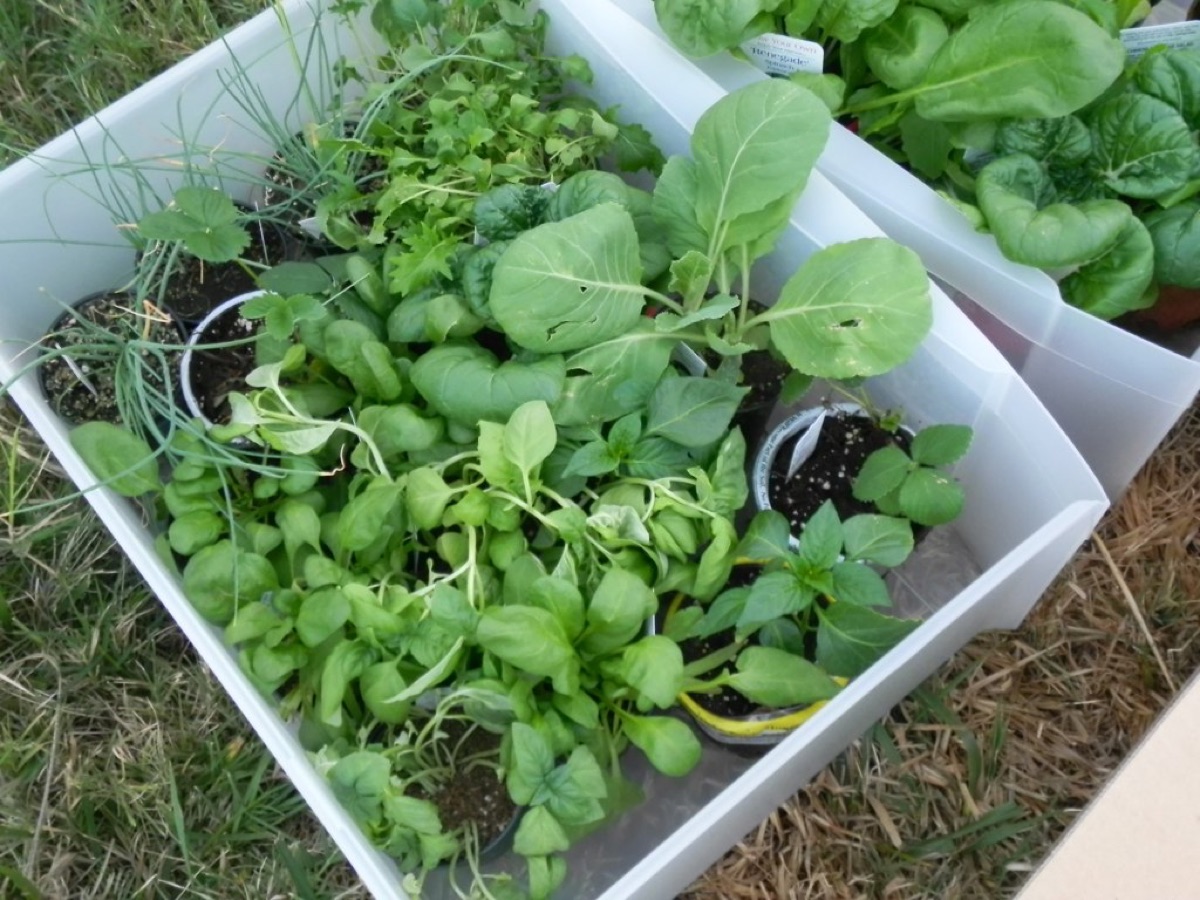
1. Level [Low]: The "Easy Wins" These are your best friends. They are hardy, pest-resistant, and forgiving of minor mistakes. * Leafy Greens: Lettuce, arugula, kale, and Swiss chard (fast growth cycles). * Herbs: Basil, mint, and chives (can thrive on a sunny windowsill). * Root Veggies: Radishes (ready to eat in just a few weeks).
2. Level [Medium]: The "Observation Phase" These require consistent watering schedules and a bit more attention to nutrient levels. * Fruiting Veggies: Cherry tomatoes, peppers, and eggplants (require stakes or cages for support). * Advanced Roots: Carrots and potatoes (soil depth and texture become critical here).
3. Level [High]: The "Master Gardener" Tier These plants demand precise environmental control and proactive pest management. * Vining Crops: Cucumbers, melons, and squash (require significant vertical or horizontal space). * Brassicas: Broccoli and cabbage (long growing seasons and specific fertilizer needs).
| Difficulty | Recommended Crops | Key Care Requirement | Ideal Environment |
|---|---|---|---|
| Beginner | Lettuce, Basil, Chives | Consistent moisture & sun | Windowsills, Small Pots |
| Intermediate | Cherry Tomatoes, Peppers | Staking & supplemental feeding | Raised Beds, Backyard |
| Advanced | Cucumbers, Melons, Broccoli | Pest control & precise nutrients | Large Garden Plots |
Matching Crops to Your Available Space
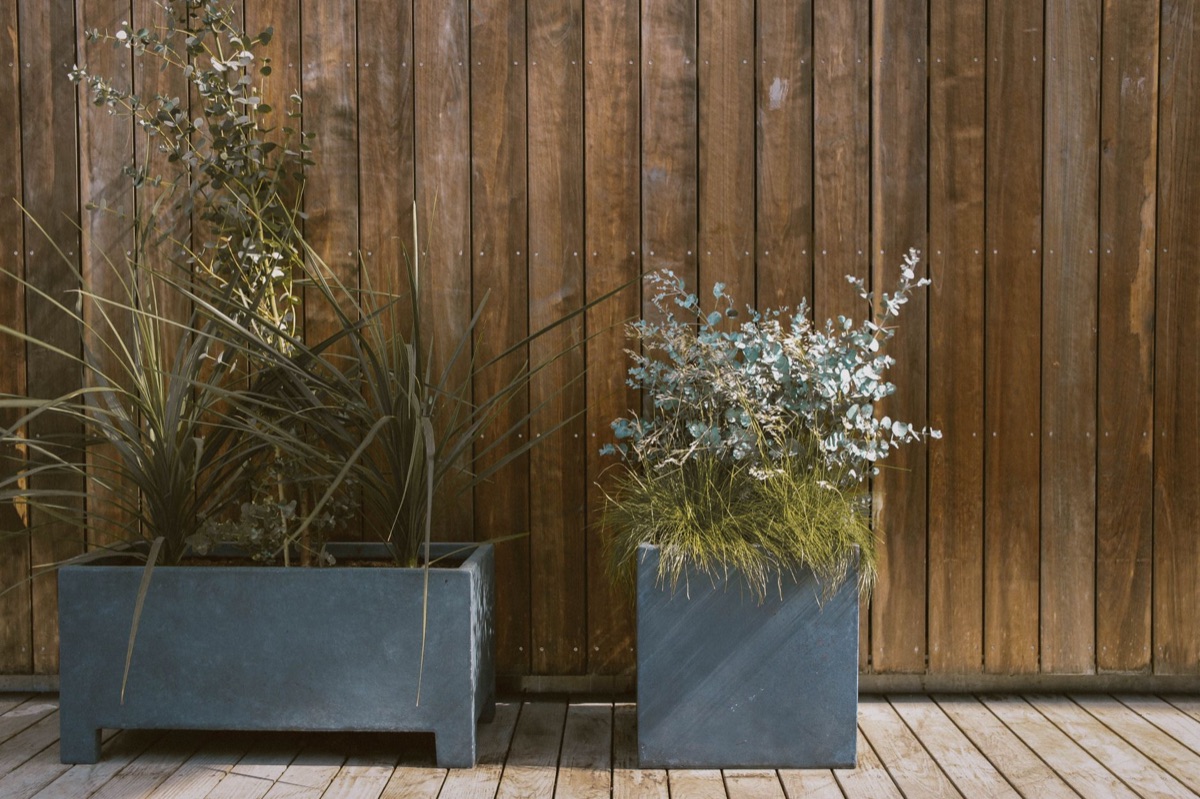
Your "growing real estate" dictates your entire strategy. If you pick a plant that outgrows its container, it will become stunted or succumb to root rot.
Indoor and Apartment Gardening (Small Scale) If you are working with a balcony or a sunroom, light and airflow are your biggest constraints. You need high-density, fast-growing plants. * Top Picks: Microgreens, arugula, basil, and green onions. * Pro Tip: Invest in a small hydroponic kit; it keeps the mess to a minimum and bypasses soil issues entirely.
Backyard and Community Plots (Medium to Large Scale) If you have actual dirt to work with, don't waste space on single lettuce heads. Aim for high-yield crops that justify the effort of outdoor maintenance. * Top Picks: Zucchini, tomatoes, peppers, potatoes, and sweet potatoes. * Pro Tip: Always leave enough "breathing room" between plants to ensure airflow, which prevents common fungal diseases.
The Economics of Gardening: What’s Actually Worth It?
If your goal is to save money on groceries, you should prioritize crops that have high price volatility at the supermarket or are expensive to buy in small quantities.
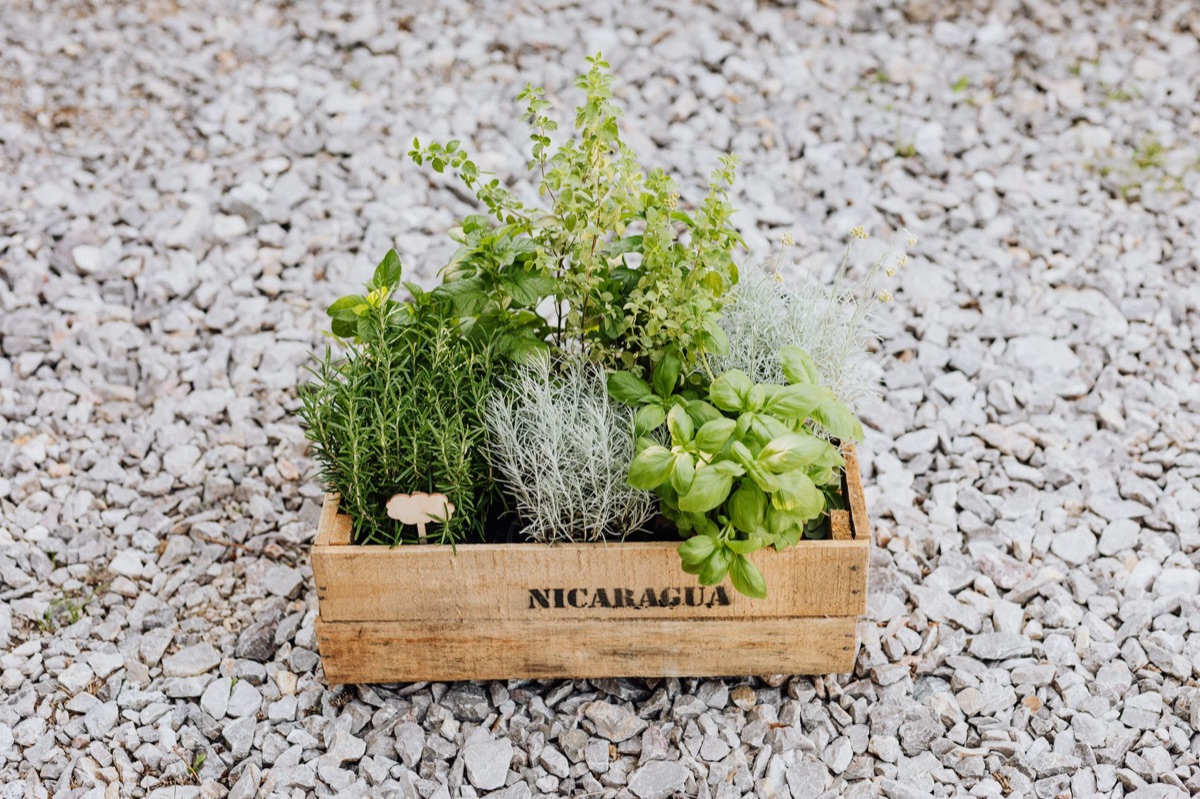
The "Grocery Saver" Strategy A bag of organic spring mix disappears from your fridge in one meal, but a single lettuce plant can provide harvests for weeks. 1. Leafy Greens: Continuous harvesting (picking outer leaves) provides the best ROI. 2. Fresh Herbs: Buying organic basil or cilantro is pricey; growing them yourself pays for itself in just two months. 3. Green Onions: You can regrow these from kitchen scraps almost indefinitely.
The "Micro-Market" Strategy (For Aspiring Sellers) If you are looking at small-scale sales, focus on high-value niche items. According to a 2026 retail trend analysis by various agricultural cooperatives, demand for organic, specialty herbs and heirloom varieties has increased by roughly 8% compared to last year.
*However, keep in mind that selling your produce requires navigating local food safety regulations and finding a consistent buyer base, which is a much steeper learning curve than just eating what you grow.*
A 5-Step Guide to Picking Your First Crop
Follow this checklist to ensure your first planting session goes smoothly:
- Audit Your Environment: Track how many hours of direct sunlight your spot gets.
- Define Your Goal: Are you doing this for mental health, or do you want to slash your grocery bill?
- Match the Difficulty: Start with a "Level Low" plant from the list above.
- Check the Calendar: Ensure the crop is appropriate for your current local growing season (Spring vs. Fall).
- The "Small Batch" Test: Don't plant a whole acre. Start with 2 or 3 containers to get a feel for the plant's personality.




Comments 0