Agroecology for food security: Why balance food and nature
"The global food system provides employment for 1 billion people, yet the hidden costs of our current methods remain staggering."
Effective management requires balancing increased food availability with the mitigation of environmental and health-related costs. This guide examines how to address these tensions through agroecology for food security by managing resource use and dietary shifts.
Key takeaways include understanding the economic scale of agrifood costs, managing growing resource demands, and addressing systemic waste.
How can we balance increased supply with resource limits?
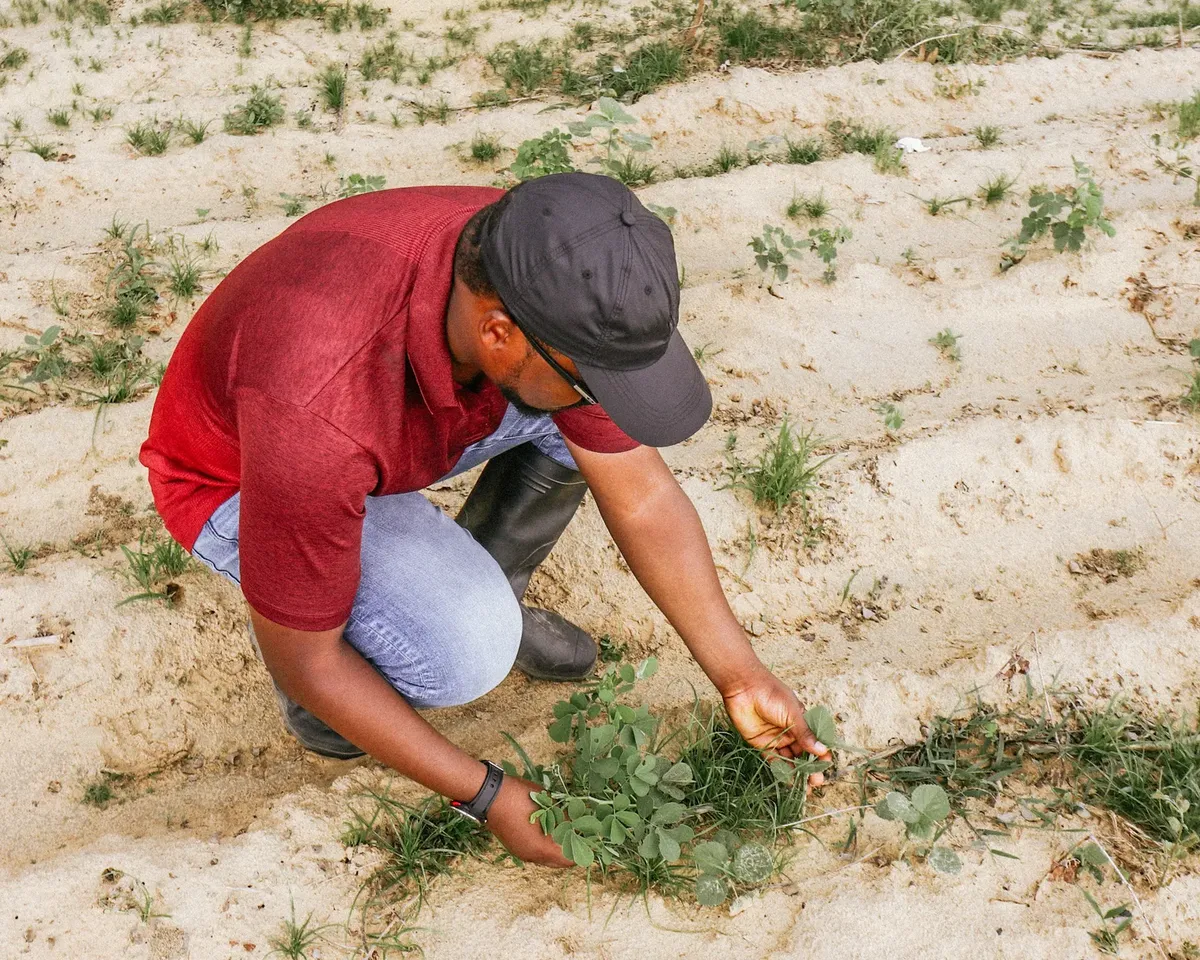
At dawn, the farmer wipes sweat from his brow while contemplating how agroecology might restore the parched soil of his field.
A farmer stands in a field where nitrogen-rich fertilizers have been applied to boost yields. While food supply per capita has increased by more than 30% since 1961, this growth has come with significant resource intensity.
The expansion of food availability has historically relied on heavy chemical inputs. For instance, the increase in the availability of food since 1961 has primarily been driven by an 800% increase in the use of nitrogen fertilizers and high water usage.
This reliance on fossil fuel-dependent inputs creates a tension between immediate production and long-term sustainability.
Addressing these needs requires moving toward more resilient food production. Managing the input-output ratio is critical to ensuring that the 1 billion people employed in the global food system can continue to operate within planetary boundaries.
- Optimize land use through precision agriculture.
- Implement water-efficient irrigation technologies.
- Restore soil health to maintain long-term productivity.
What are the hidden costs of current agrifood systems? Agroecology for food security
The economist sighs in the quiet office as she reads about the heavy environmental toll that agroecology seeks to mitigate.
An economist reviews a spreadsheet detailing the economic impact of global agricultural practices. The financial implications of how we produce and consume food extend far beyond the farm gate.
The economic scale of these impacts is massive. According to the IPCC, the global food system, including all of the various industries involved in sustainable and conventional food systems, provide employment for 1 billion people.
However, the 2023 edition of the FAO report: The State of Food and Agriculture estimates global hidden costs from agrifood systems to be USD 12.7 trillion.
These costs include environmental degradation and health impacts. Understanding these figures helps in planning for sustainable food systems that account for externalities.
In this sequence, the second step is the most extensive.
How do dietary shifts affect the global food system?
In the dim light of the kitchen, she feels the weight of change as she considers how dietary shifts reshape the future of agroecology.

A family sits at a dinner table discussing the nutritional value of their meal. As populations grow, the way people eat changes, creating new pressures on the environment.
Changes in consumption patterns are a major driver of environmental stress. In 2020, an EU evidence review found that food system gas emissions are on course to increase by 30–40% by 2050 due to population growth and dietary change.
Managing these shifts is part of integrated farm management. To maintain stability, we must address how dietary changes influence production needs and emissions.
What role does waste play in food security?
A worker at a retail center sorts through produce, noticing the amount of food set aside for disposal. The journey from farm to fork involves many stages where food can be lost.
Systemic inefficiency is a significant hurdle. Addressing issues at each stage in the system can have system-wide effects, especially since 30–40 percent of food produced is lost from post-harvest up to retail and the consumer.
Reducing this loss is essential for green farming solutions. By minimizing waste, the system can better support the growing global population without requiring even more resource-intensive expansion.
How can we manage dietary-related health costs?
A health professional examines data regarding non-communicable diseases across different regions. The way food is processed and consumed has direct consequences for public health.
The health implications are widespread.
Following up on the 2023 edition of the FAO report – The State of Food and Agriculture – the subsequent edition provides a detailed breakdown of the hidden costs associated with unhealthy dietary patterns that lead to non-communicable diseases for 156 countries.
Balancing food and nature requires a focus on nutrient-dense production. Addressing these dietary-related costs is a vital component of long-term food security.
What are the primary steps for integrated management?
A manager outlines a new operational plan for a large-scale agricultural cooperative. Moving toward a more stable system requires a structured approach to resource and waste management.
To implement integrated farm management, follow these steps:
- Analyze current resource usage, such as water and fertilizer, to identify areas of high intensity and potential for reduction. 2. Implement post-harvest and retail protocols to minimize the 30–40 percent of food lost during the supply chain. 3. Evaluate dietary trends to prepare for the shifting demand caused by population growth and changing consumption patterns.
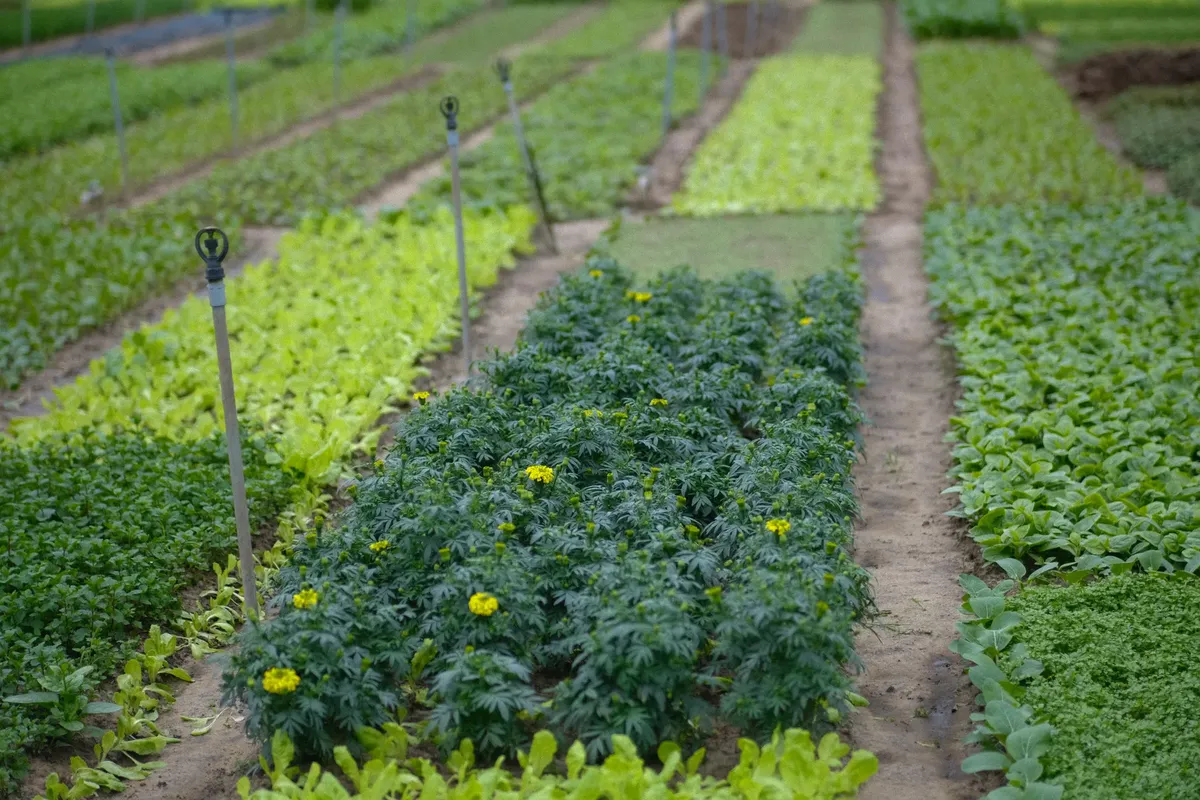
A final check should ensure that these steps address both the immediate need for caloric availability and the long-term goal of reducing hidden costs. I have observed that even small adjustments in supply chain efficiency can significantly impact the total resource footprint.
| Metric | Value |
|---|---|
| Global food system employment | 1 billion people |
| Estimated global hidden costs | USD 12.7 trillion |
The subject here is Agroecology for food security.
The same subject is also called Biodiversity farming methods.
Balancing food and nature
The same subject is also called Ecological agriculture.
Related
- Grain drying energy saving: Farm energy cost reduction tips
- Organic farming goals Europe: Why organic methods grow
How does agroecology address resource management challenges? Agroecology offers a framework for managing the intense resource demands inherent in the global food system. This approach emphasizes ecological processes to enhance the productivity of the global food system while simultaneously reducing reliance on external, finite inputs. Implementing agroecological principles helps mitigate the tension between increased food availability and the strain placed on natural systems.
This methodology encourages practices that build soil health, which directly impacts the need for nitrogen-rich fertilizers. By fostering resilient local food production, agroecology supports the 1 billion people employed in the global food system to operate more sustainably.
This shift moves away from the historical reliance on fossil fuel-dependent inputs that characterized past growth in food supply.
Furthermore, agroecology provides tools to manage the input-output ratio more effectively at the farm level. Such management is crucial for ensuring that the expansion of food availability does not continue to deplete planetary resources at an unsustainable rate.
This localized focus contrasts with the large-scale, input-heavy methods that previously drove significant increases in food supply.





Comments 0