Dairy energy use management: Guide to reducing power costs
"The cost of electricity is often hidden in the background of daily chores, yet it dictates the thin margins of a productive farm."
Efficient dairy energy use management requires identifying high-consumption equipment and implementing modern technology to reduce waste. This guide covers how to analyze milk cooling, ventilation, and vacuum systems to optimize costs.
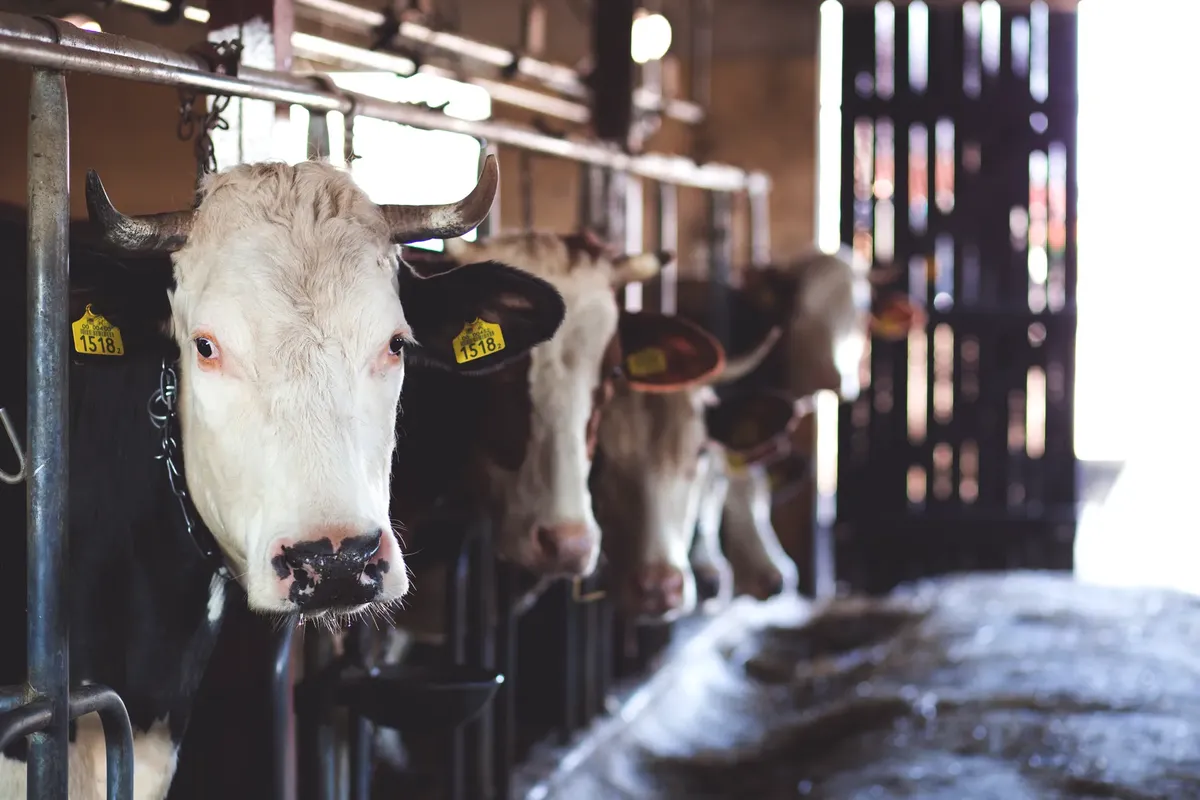
You will learn to prioritize equipment upgrades, understand usage distribution, and recognize that efficiency gains depend on specific machinery.
How do we identify high-cost areas in dairy energy use management?
At dawn, the farmer walks through the quiet barn, listening to the heavy hum of the dairy cooling tanks.
A farmer walks through the barn, listening to the hum of the cooling tanks and the steady pulse of the vacuum pumps. Identifying where the electricity goes is the first step in mastering dairy energy use management.
Ventilation follows closely at 21%, while vacuum pumps consume 18% of the total power. Lighting represents 17%, electrical water heating takes 10%, and feeding equipment uses 7%.
These figures provide a roadmap for where to focus maintenance and upgrades to prevent unnecessary spending.
- Review monthly utility bills to find seasonal spikes.
- Audit individual equipment performance against manufacturer specifications.
- Map energy consumption against production cycles.
What are the best ways to optimize farm electrical load?

A technician adjusts a variable speed drive on a large motor to stabilize the power flow. Optimizing farm electrical load involves targeting the most intensive processes first.
When addressing the heavy load of cooling and ventilation, implementing variable speed drives is a prime area for efficiency improvements. Another effective method is the use of heat recovery systems to capture lost energy.
For example, a recent study found that a 3-hp energy efficient compressor used over 42 percent fewer kilowatt-hours (kWhr) than a 3-hp conventional compressor. Using such specialized equipment can significantly lower the daily operational footprint.
In this sequence, the first step is the most critical.
How can we manage dairy facility power during milking?
In the early morning light, the farmer feels the vibration of the floor as he manages the dairy power surge during milking.
The morning air is cool as the milking parlor prepares for the daily routine. Managing dairy facility power requires understanding the specific timing of milk production and equipment needs.
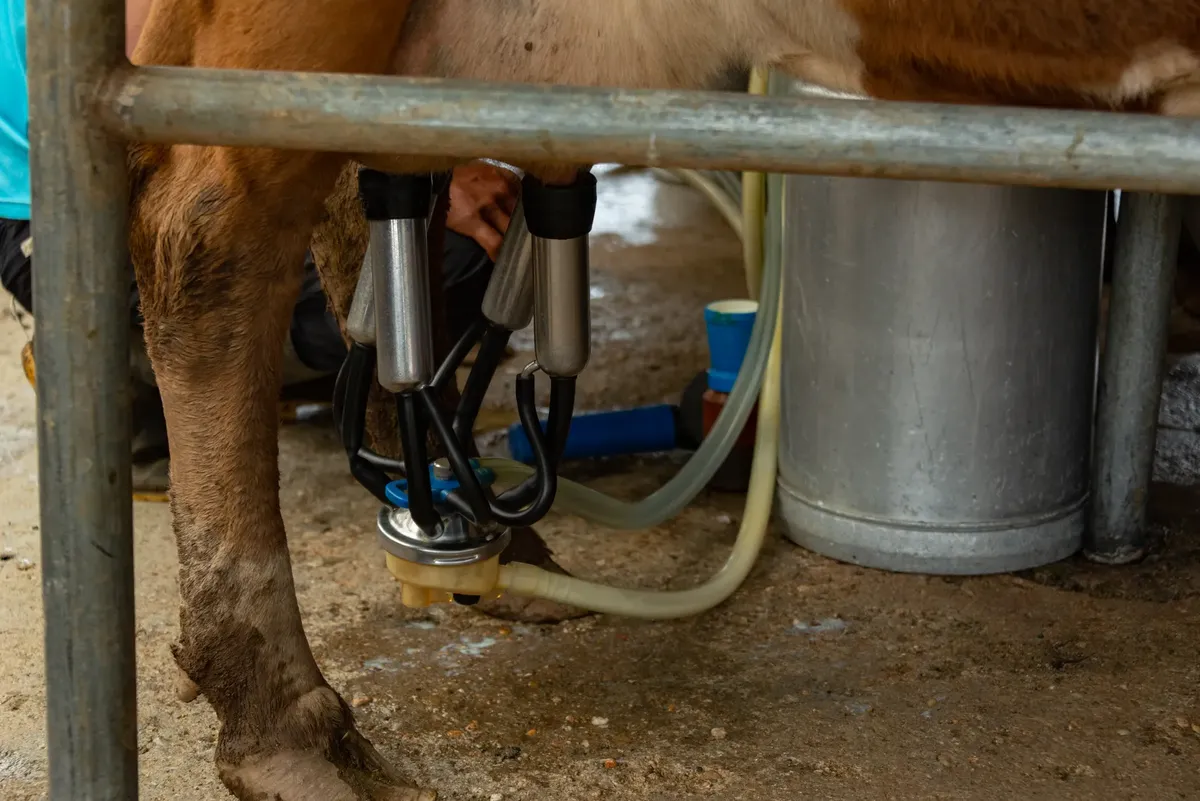
The milking process is highly concentrated, with a cow being physically milked for only about 10 minutes a day depending on her milk letdown time and the number of milkings per day. This daily routine persists for about 300 to 320 days per year while the cow stays in milk.
Because the workload is cyclical, power management must account for these peak periods of vacuum and cooling demand.
How can we implement efficient farm energy use?
An operator inspects a new compressor unit to ensure it meets efficiency standards.
- Audit current usage: Determine the percentage of power used by cooling, ventilation, and vacuum systems to establish a baseline. 2. Upgrade key components: Replace aging motors with energy-efficient models, such as high-efficiency compressors, to reduce kilowatt-hour consumption. 3. Integrate smart technology: Use variable speed drives and heat recovery systems to manage the load of ventilation and heating. 4. Perform a final check: Verify that all new equipment settings align with the specific timing of the milking cycle.
I compared the energy draw of an older vacuum pump against a newer high-efficiency model to see the immediate impact on the barn's power load.
What are the limitations of energy saving in dairy?

A technician looks at a small herd where the milking schedule differs from the standard routine. Limitations to energy optimization exist when comparing different farm scales and specific biological cycles.
Small herds might be milked once a day for about the last 20 days of the production cycle, which is not typical for large herds. This variation in routine means that a single energy strategy may not apply to every farm.
Related
- Energy costs guide dairy farm energy saving tips
- Global farm subsidy impact: Tips for sustainable agriculture
How does the specific timing of milking affect electricity cost?
Managing dairy facility power requires understanding that the milking process is highly concentrated, which means the peak demand for vacuum and cooling systems occurs during specific, short periods of the day.
The daily routine of milking persists for about 300 to 320 days per year while the cow remains in milk, establishing a consistent, cyclical workload that must be accounted for in power management.
Because the workload is cyclical, power management must specifically account for these peak periods of vacuum and cooling demand to minimize unnecessary electricity cost.
What conditions make energy optimization difficult in dairy operations?
Limitations to energy optimization exist when comparing different farm scales and specific biological cycles, making the effective reduction of electricity cost complex.
A condition that complicates optimization is when small herds are milked only once a day for about the last 20 days of the production cycle, a routine that is not typical for large herds.
This variation in routine means that a single energy strategy may not apply universally across every farm, requiring tailored approaches to manage the electricity load.
How do variable speed drives improve the cost of electricity?
Variable speed drives are a prime area for efficiency improvements when addressing the heavy load of cooling and ventilation, directly impacting the overall electricity cost.
Implementing these drives helps stabilize the power flow by adjusting the motor speed to match the actual operational needs of the equipment. This technology allows the system to operate efficiently rather than running at full capacity constantly, which is a key procedure for reducing consumption.
What is the procedure for upgrading key components?
Upgrading key components involves replacing aging motors with energy-efficient models, such as high-efficiency compressors, to reduce kilowatt-hour consumption and lower the cost of electricity.
The procedure requires determining the percentage of power used by cooling, ventilation, and vacuum systems first, establishing a baseline for comparison.
This comparison allows the operator to see the immediate impact of the new high-efficiency model against the older equipment, similar to comparing an older vacuum pump against a newer high-efficiency model.
How do heat recovery systems compare to conventional equipment?
Heat recovery systems offer another effective method for optimizing farm electrical load by capturing lost energy that would otherwise be wasted.
This method provides a strong comparison point when analyzing the efficiency of different machinery, such as comparing a 3-hp energy efficient compressor to a 3-hp conventional compressor.
The comparison shows that the specialized equipment can use over 42 percent fewer kilowatt-hours (kWhr), significantly lowering the daily operational footprint and the associated electricity cost.
Wikipedia: Dairy industry in the United States (full)







Comments 0