7:00 AM Sun: Your Guide to Starting Your Vegetable Garden
"The difference between a successful season and a frustrating chore often lies in the right tool being in your hands before you start digging."
Buying your first set of gardening tools shouldn't feel like a shot in the dark. You want to balance the excitement of starting a new hobby with the practical reality of your budget and your available space.
* Match your tools to your specific scale (balcony pots vs. a backyard plot). * Prioritize ergonomic quality and durability over the lowest sticker price to avoid early replacement costs. * Understand the specific function of each tool before committing to a purchase.
What Do I *Really* Need to Start My Garden?
The sun hits the wooden deck at 7:00 AM on a Tuesday in May 2026, illuminating a stack of empty plastic pots and a single, cheap trowel sitting on the patio. You reach for the metal scoop, but the handle feels thin in your palm.
You realize that if you want to grow more than just a single sprig of parsley, this little metal scoop won't be enough to move the heavy 40-pound bags of soil or turn the earth.
In my own experience starting a small patch in 2025, I learned that buying the cheapest tool in the aisle leads to a sore wrist and a broken handle within three weeks.
The first step in gardening is determining your scale. If you are working on a balcony with containers, your needs are vastly different from someone prepping a 1/4 acre backyard plot.
In a container setting, hand tools like a sturdy trowel, a hand transplanter, and a watering can are your primary companions. In an in-ground plot, you move into the realm of long-handled tools like spades and rakes.
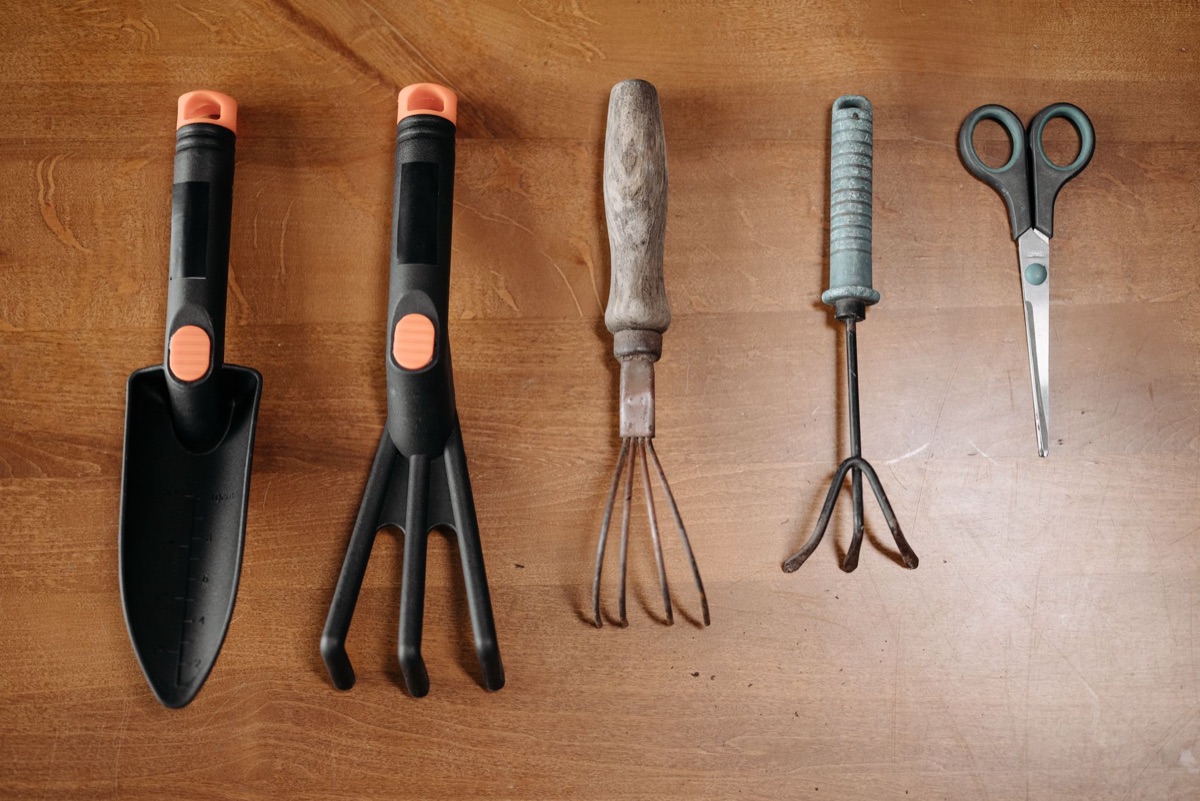
For the absolute beginner, the "Must-Have" starter kit should focus on the first planting phase. This includes a high-quality hand trowel for digging small holes, a hand fork for aerating soil in pots, and a reliable pair of gardening gloves to protect your hands from blisters and thorns.
You should also consider a soil testing kit to understand what your dirt needs before you spend money on fertilizers.
| Tool Category | Container/Balcony Focus | In-Ground/Plot Focus |
|---|---|---|
| Primary Focus | Portability & Precision | Leverage & Strength |
| Must-Have 1 | Hand Trowel | Spade/Shovel |
| Must-Must 2 | Watering Can (Small) | Garden Rake |
| Must-Have 3 | Hand Pruners | Wheelbarrow/Garden Cart |
But having the right tools is only half the battle; knowing how to use them to keep plants alive is where the real work begins.
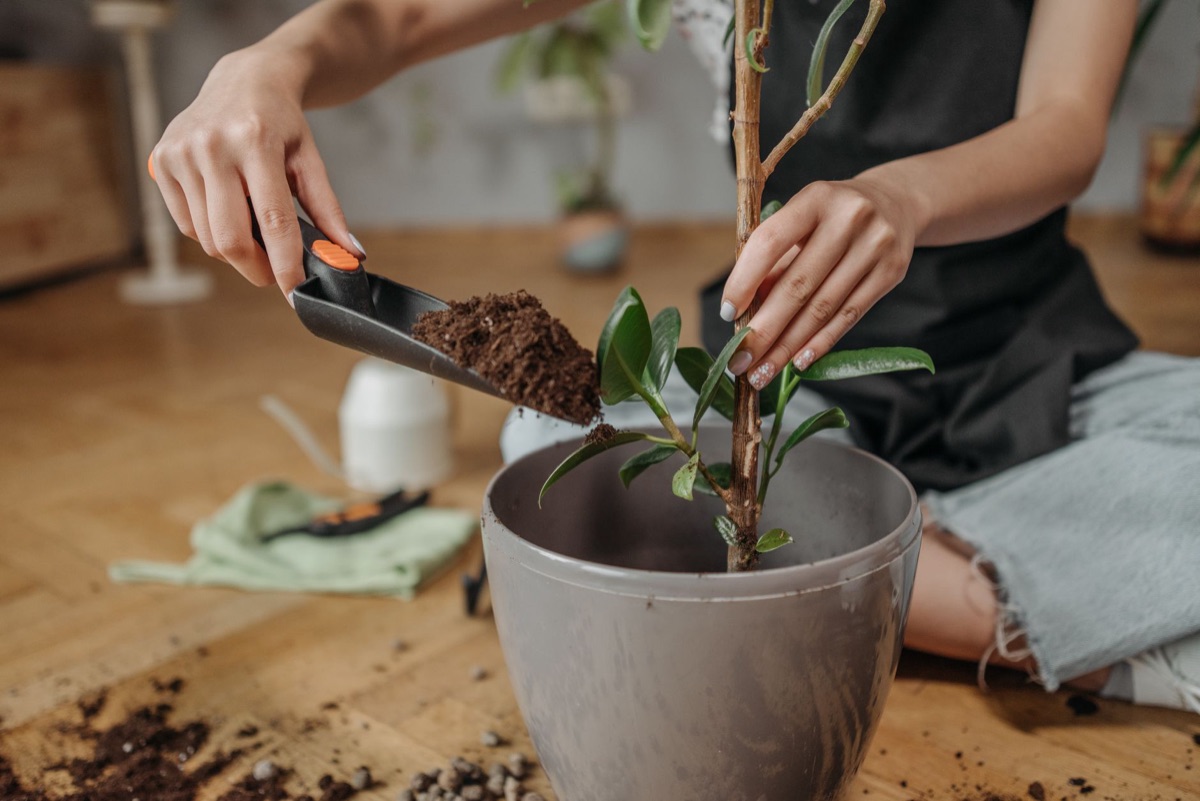
What essential tools do I need for planting and care? A heavy spade leans against the garden shed wall on a humid afternoon in June 2026, its metal blade stained with dark earth from a morning of digging. You realize that while the spade moved the dirt, it didn't help you level the surface or plant the delicate seedlings you just bought.
Once you move past the initial digging, you need tools for maintenance and precision. For soil preparation, a cultivator (a hand-held tool with metal claws) is essential for breaking up clumps of dirt and weeding without disturbing the entire root system.
A rake is necessary to level the top layer of soil to ensure seeds have consistent contact with the earth.
When it comes to planting specifics, you need to distinguish between transplanting and direct sowing. A dibber—a pointed wooden or metal stick—is perfect for making precise holes for seeds or small bulbs.
If you are moving plants from nursery pots to the ground, a transplanting trowel with measurement markings on the blade can prevent you from planting too deep. For watering, the right tool depends on the plant size.
A fine-mist watering can is vital for delicate seedlings to prevent them from being washed away, while a hose with a multi-pattern spray nozzle is better for established shrubs.
You might think you have everything covered, but the real test comes when you look at the quality of the metal in your hand.
How can I buy quality tools that actually last? You pick up a cheap plastic shovel at a big-box store on a Saturday morning, and as you push it into the dirt, the handle flexes precariously. You wonder if this tool will survive the summer or if you'll be back in the hardware aisle by August 2026.
Material choice is the most important factor in tool longevity. For digging tools, look for forged steel or high-carbon steel blades; they hold an edge better and resist bending. For handles, wood (like ash) offers great shock absorption, while fiberglass is incredibly durable and weather-resistant.
Avoid cheap plastic handles for heavy-duty digging, as they often snap under pressure.
The "Cost vs. Value Trap" is where many beginners lose money. A $5 trowel that bends after three uses is more expensive than a $25 professional-grade trowel that lasts a decade. When comparing brands, look at the connection points—where the handle meets the metal.
If that connection looks flimsy or uses thin screws, skip it.
To maximize lifespan, follow this maintenance routine: 1. Wash tools with water to remove grit and soil after every use. 2. Dry them completely with a cloth to prevent oxidation. e3. Apply a light coat of vegetable oil or specialized tool oil to metal parts once a month to prevent rust. 4.
Inspect handles for cracks or looseness before every heavy digging session.
However, even the best tools are useless if you haven't prepared the ground they will sit on.
Beyond Tools: The Non-Tool Supplies Checklist
The morning air is cool in early 2026, and you stand in the center of your new garden space, looking at the empty patches of ground. You have the tools, but you realize that without the right "food" and environment, the tools won't matter.
Success in gardening is as much about the biological environment as it is about the hardware. You must understand the difference between different soil types.
Potting mix is specifically engineered for containers to provide aeration and drainage, whereas topsoil is meant for filling in ground-level gaps. Compost is the organic matter that feeds your plants.
Your environment dictates your success. Most vegetable plants require 6 to 8 hours of direct sunlight daily to thrive, though leafy greens can tolerate partial shade.
In terms of temperature, most plants thrive when daytime temperatures stay between 18 and 24 °C (roughly 65 to 75 °F), with slightly cooler temperatures at night.
* Soil & Amendments: Ensure you have enough compost to enrich your base soil. * Sunlight Check: Verify your planting site gets the required 6–8 hours of light. * Pest Monitoring: Keep basic mesh nets or organic insecticidal soap on hand for early intervention.
If you ignore these environmental factors, you might find yourself wondering why your expensive tools are sitting idle in a dying garden.
Common Beginner Pitfalls to Avoid
You look at your garage, filled with expensive gadgets you bought in a weekend burst of excitement in 2025, and realize you haven't even planted a single seed yet. You feel the weight of the "impulse buy" on your wallet.
The most common mistake is the "Too Much, Too Soon" error. Beginners often buy heavy-duty equipment like power tillers or large wheelbarrows before they even know if they enjoy the daily rhythm of gardening. Start small. Only buy the large equipment once your garden scale justifies the investment.
Another pitfall is ignoring the microclimate. Just because a neighbor has a lush tomato patch doesn't mean your yard has the same sun exposure or wind protection. Always observe your specific patch of earth for a few days before committing to specific plants.
Finally, never ignore the soil's drainage. If you plant in heavy clay without adding organic matter or ensuring proper drainage, your roots will rot before the first harvest.



Comments 0