Soil pH Balance: Organic Secrets for Healthy Growth
"Nature doesn't use a chemistry set to balance its ecosystems; it uses decay and renewal to create life."
To balance your soil pH without chemicals, you must first accurately measure your current levels using a dedicated test kit and then apply organic amendments like compost, lime, or sulfur to reach your target range.
The secret lies in slow, steady adjustments using organic matter rather than sudden liquid spikes.
Key Takeaways * Test First: Never guess; use a soil pH test method to establish a baseline. * Organic Power: Compost and aged manure are the best tools for gradual pH stabilization.
* Crop Matching: Align your soil's pH with the specific needs of your vegetables (e.g., blueberries love acid; cabbage likes neutral). * Patience is Key: Organic amendments take time to break down and change soil chemistry.

Why Soil pH Dictates Your Harvest Success
I stood in my backyard garden last April, staring at a patch of stunted, yellowing tomato plants that refused to grow despite my best efforts. I had been pouring expensive liquid nutrients into the dirt, yet the plants looked like they were starving in the midst of plenty.
Soil pH is a measurement of how acidic or alkaline your soil is on a scale of 0 to 14. It is the "gatekeeper" of nutrients.
If the pH is too high or too low, the essential minerals in your soil become chemically "locked," meaning the plant roots physically cannot absorb them, regardless of how much fertilizer you add.
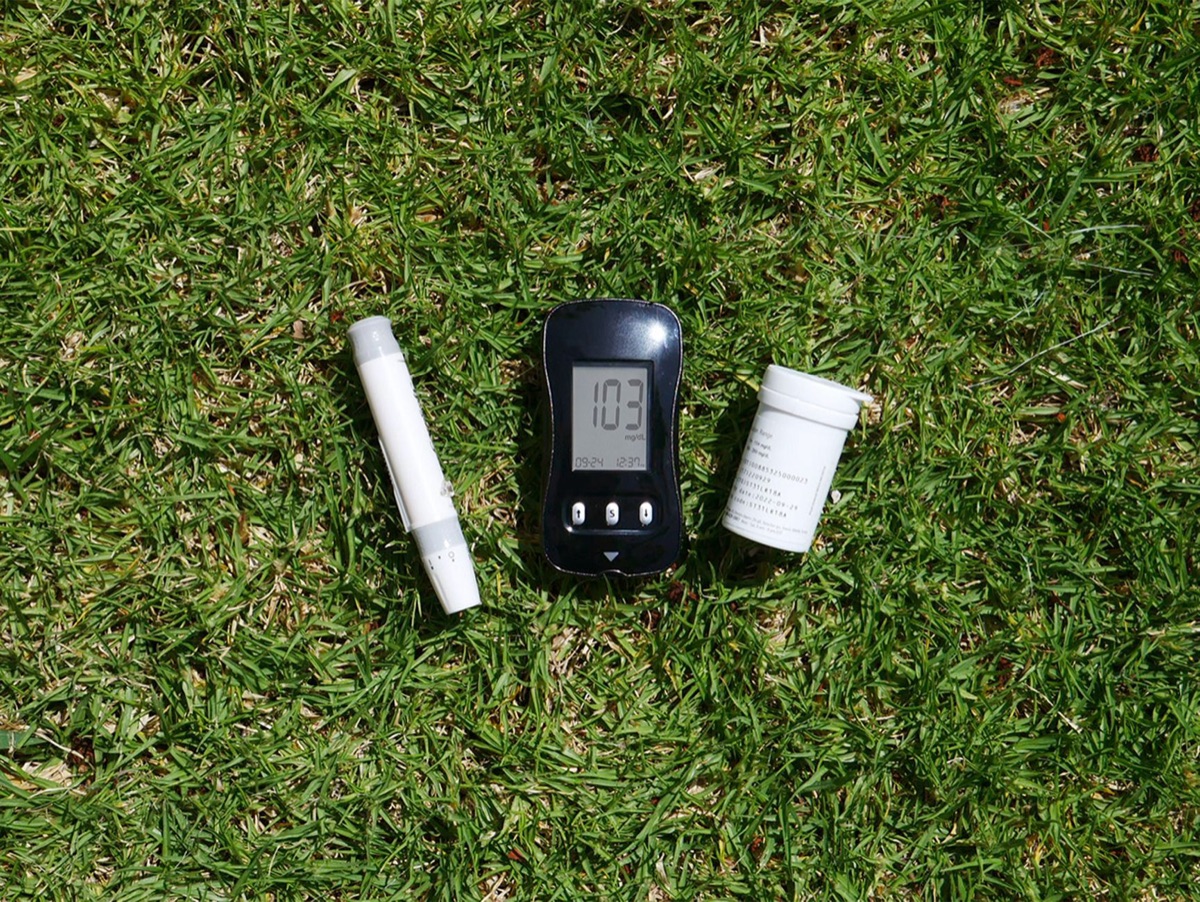
To avoid this, you need a reliable soil pH test method. You can use simple color-coded liquid kits found at local garden centers or digital probes for more precision.
When testing, take samples from several different spots in your garden bed at a depth of about 4 to 6 inches to get an average reading.
| pH Level | Soil Condition | Typical Nutrient Availability |
|---|---|---|
| Below 5.5 | Highly Acidic | Low Phosphorus, Manganese toxicity risk |
| 6.0 - 7.0 | Slightly Acidic to Neutral | Optimal for most garden vegetables |
| Above 7.5 | Alkaline | Low Iron, Calcium, and Magnesium availability |
Identifying Your Soil Type and Target pH
The sun beat down on my forehead as I knelt in the dirt, recording the numbers from my pH probe in a small, mud-stained notebook. My reading was 5.2—extremely acidic—which explained why my garden felt like a struggle rather than a sanctuary.
If your test shows acidic soil, you need acid soil correction. In organic gardening, this usually involves adding crushed limestone (calcium carbonate) or specific types of aged manure to raise the pH.
If your soil is too alkaline, you can lower the pH by incorporating elemental sulfur or organic matter like peat moss, which naturally acidifies the environment.
Different plants have very different "comfort zones." You cannot treat a blueberry patch the same way you treat a carrot bed.
Optimal pH by Crop 1. Acid-Lovers (pH 4.5 - 5.5): Blueberries, Azaleas, Potatoes. 2. Neutral-Lovers (pH 6.0 - 7.0): Tomatoes, Lettuce, Cucumbers, Peppers. 3. Alkaline-Tolerant (pH 7.0 - 7.5): Asparagus, Beets, Broccoli.
The Organic Arsenal: Choosing Your Soil Amendments
I watched the steam rise from my compost pile on a chilly October morning, realizing that this pile of "trash" was actually the most valuable asset in my garden. According to the European Union, 3.9% of the total utilized agricultural area was used for organic production in 2005.
The European Union is engaged in a developmental effort involving dozens of public research institutes.
Compost utilization is the single most effective way to buffer pH changes. Unlike chemical additives that cause massive swings, compost acts as a stabilizer.
When composting, ensure your pile reaches high enough temperatures to break down effectively; while specific temperature thresholds for pathogens vary, high-quality compost is the result of a well-managed aerobic process.
You should consider several organic fertilizer types and soil amendment materials: * Finished Compost: The gold standard for adding organic matter and stabilizing pH.
* Aged Manure: Excellent for nitrogen, but must be fully composted to avoid "burning" plants or altering pH too aggressively. * Leaf Mold: Decayed leaves that are perfect for increasing acidity in a gentle way.
* Biochar: A porous form of charcoal that helps retain nutrients and provides a stable habitat for microbes.
Eco-Friendly Fertilizer Application Sequence 1. Soil Test: Determine current pH and nutrient deficiencies. 2. Bulk Amendment: Add large amounts of compost or lime/sulfur to address pH. 3. Incorporation: Mix the amendments into the soil several weeks before planting. 4.
Top-Dressing: Apply lighter organic fertilizers (like kelp meal) during the growing season.
Practical Application: How to Implement pH Correction
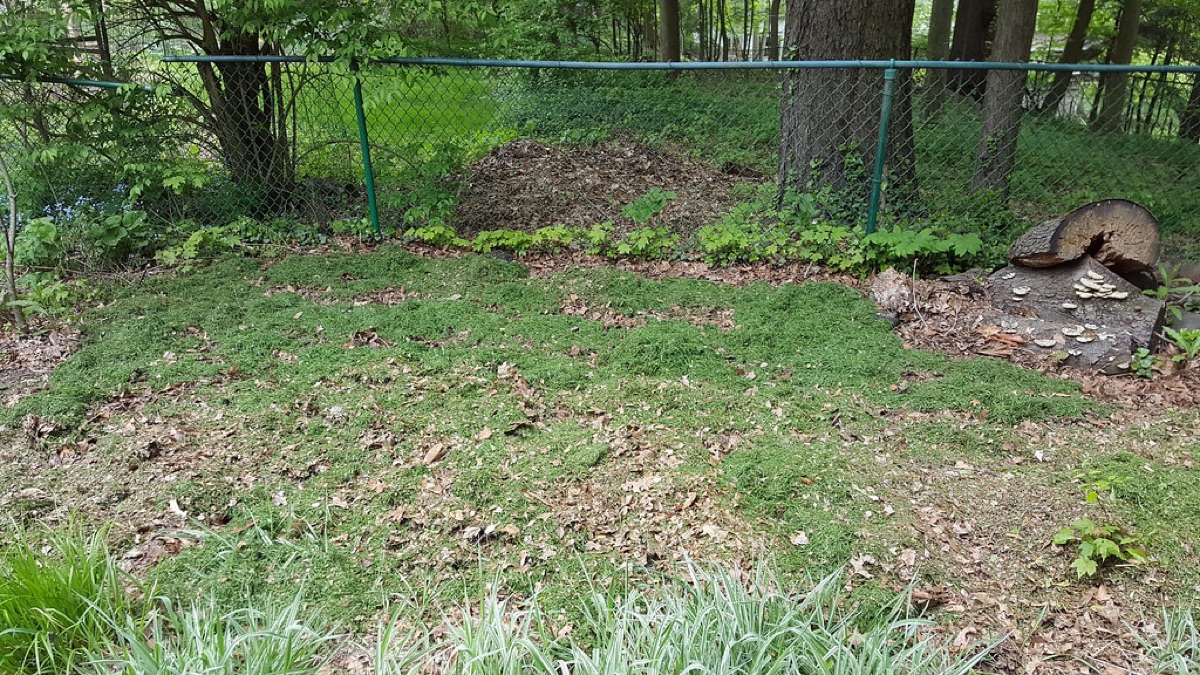
My hands were caked in dark, rich earth as I spent the afternoon spreading a thick layer of compost across my vegetable beds. It wasn't glamorous work, but it felt like I was finally speaking the language of the land.
Correcting pH is not a "one and done" task; it is a seasonal rhythm. If you are dealing with very poor soil, you may need to apply a substantial layer of organic matter, such as 25 mm or more of compost, to ensure enough material reaches the root zone.
Follow these steps for successful incorporation: 1. Timing: Apply pH-altering amendments (like lime or sulfur) at least 4 to 8 weeks before planting. These materials need time to react with the soil chemistry. 2.
Depth: Use a garden fork to work the amendments into the top 6 mm to 150 mm of soil, depending on your specific crop's root depth. 3. Layering: For new garden beds, apply a thick layer of compost first, then mix it in. 4.
Re-Testing: Always re-test your soil 4 to 6 weeks after application to ensure you haven't overshot your target pH.
Common Pitfalls to Avoid
It is easy to fall into the trap of "over-correcting." I once thought my soil was too acidic and dumped an entire bag of lime into a small raised bed, only to watch my lettuce turn yellow because the pH spiked too high, too fast.
The EPA promulgated a rule in 1984 that 50% of US states expect composts to comply with regarding sludge products.
* The "Quick Fix" Trap: Avoid liquid chemical pH adjusters. They work quickly but often lead to nutrient imbalances and kill beneficial soil microbes. * Ignoring Organic Matter: Many gardeners focus only on the pH number and forget that soil without organic matter is "dead" soil. pH matters, but structure matters more. * Using Unfinished Compost: Applying "hot" or unfinished compost can actually change your pH in unpredictable ways and introduce pathogens to your garden. * Over-application: More is not always better. Excessive lime can make your soil so alkaline that iron becomes completely unavailable to your plants.




Comments 0