How to choose best tools for your backyard garden plot
This article is about backyard. "The smallest seed requires the right soil to break through the surface."
If you are transitioning from a hobbyist to a serious grower, the most important step is understanding the scale of your operation and selecting tools that match your land size.
This guide provides a practical approach to selecting essential gear for small-scale farms, balcony gardens, and subsistence plots.
You will learn how to differentiate between heavy-duty equipment and manual hand tools, how to manage limited space, and how to avoid overspending on unnecessary machinery.
* Assess your land size first: Never buy a tractor for a backyard or a hand trowel for a field. * Prioritize multifunctionality: Choose tools that serve multiple purposes to save storage space. * Focus on ergonomics: For small-scale farming, hand fatigue is the primary enemy of productivity. * Match durability to frequency: Invest in high-quality steel for tools you use daily.
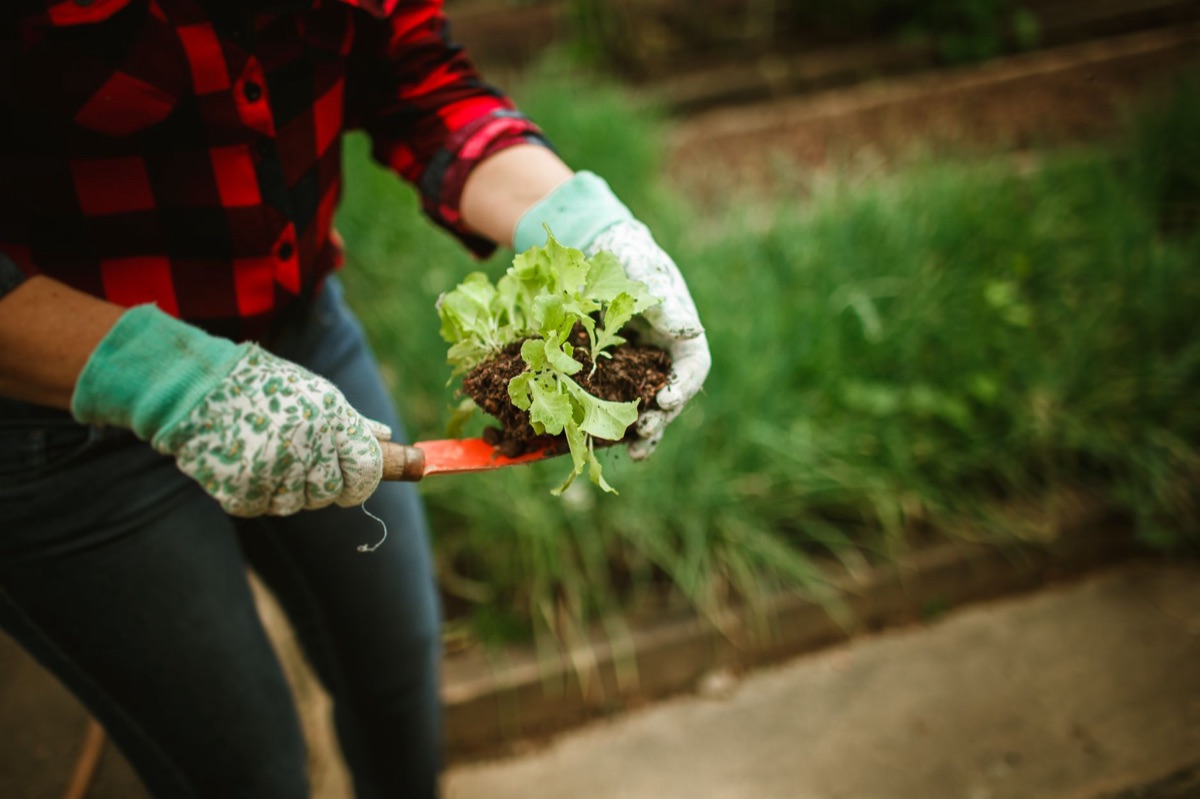
Why is scale the most important factor in tool selection?
A heavy wooden shovel leans against the shed wall as the morning sun hits the dirt. Choosing the wrong equipment can turn a simple task into a physical struggle that ruins your motivation within a single season.
The scale of your operation dictates whether you need mechanical power or manual precision.
For instance, five of every six farms globally consist of fewer than 2 hectares (4.9 acres), which means the vast majority of growers worldwide operate on a scale where manual tools and small walk-behind tractors are far more practical than heavy machinery.
If you are working on a tiny plot, a heavy-duty plow is a waste of money; if you are managing a half-acre, a simple hand trowel will be insufficient.
Understanding your specific acreage allows you to budget correctly. For those managing larger subsistence plots, which make up a significant portion of global food production, the ability to move soil and manage crops efficiently is vital.
| Tool Type | Best Use Case | Key Feature to Look For |
|---|---|---|
| Hand Tools | Balcony gardens, indoor pots, tiny raised beds | Ergonomic grips and rust resistance |
| Small Power Tools | Small backyard plots, community gardens | Battery life and ease of maintenance |
| Medium Machinery | Large backyard plots, small hobby farms | Fuel efficiency and durability |
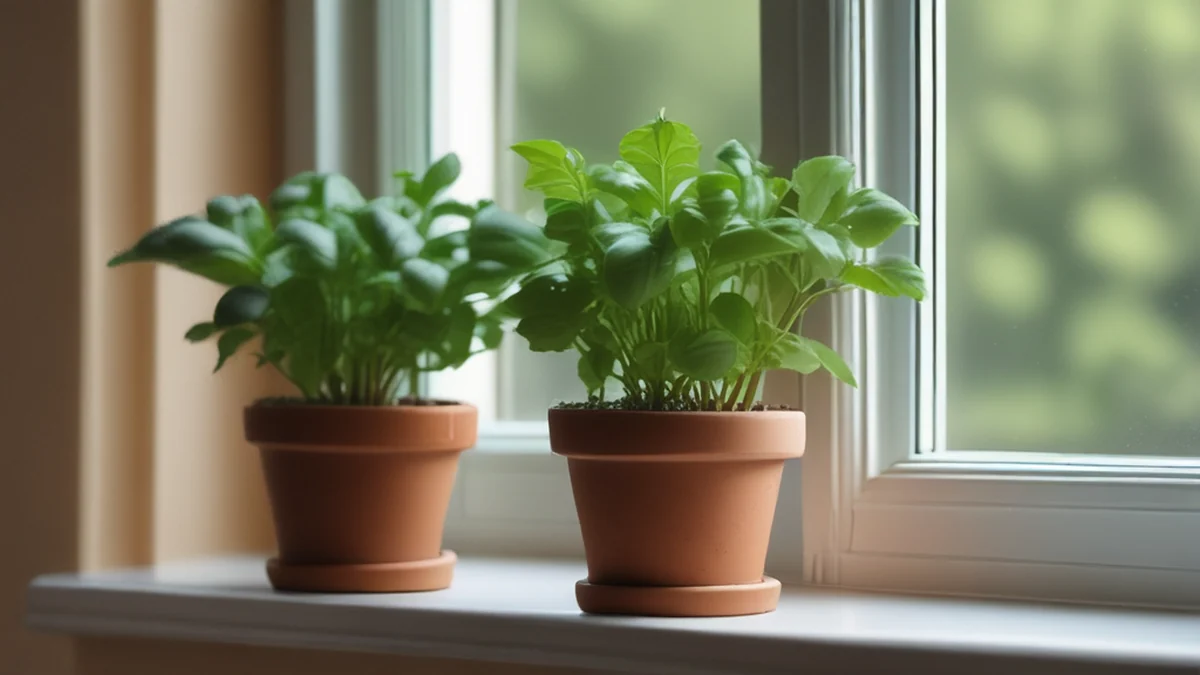
What tools do I need for a small backyard plot?
The scent of damp earth fills the air as I kneel on a rubber mat, digging a small hole for a tomato seedling. When you move from a single pot to a backyard plot, your tool requirements shift from simple hand tools to more robust digging and weeding equipment.
For a backyard plot, you need tools that can handle soil compaction and weed management without requiring a massive budget. The primary requirements include a high-quality spade for digging holes, a garden rake for leveling soil, and a hoe for weeding.
Because these tasks involve repetitive motion, the weight and balance of the tool are just as important as the material.
A well-balanced hoe is often the most versatile tool for a backyard grower. It allows you to manage weeds and create shallow furrows for seeds in one motion.
If you are working in tighter spaces, a hand-held cultivator can provide the precision needed to clear weeds around delicate seedlings without disturbing the roots.
How do I manage tools for a balcony or indoor garden?
A single ceramic pot sits on a small wooden table near a window, catching the afternoon light. When you are limited to a balcony or an indoor space, you cannot use traditional digging tools because they are too bulky and may damage containers.
In these confined environments, the focus is on precision, cleanliness, and portability. You should prioritize small hand trowels, much smaller hand cultivators, and specialized watering cans with narrow spouts.
Because indoor gardening often involves potting soil rather than ground soil, you also need a scoop to move soil from bags to containers without making a mess.
Avoid buying full-sized garden tools for balcony use. A large shovel will be impossible to store and difficult to maneuver in a small space. Instead, look for "miniature" versions of standard tools that are designed for container gardening.
- Select container-specific tools: Use tools with shorter handles to maintain control in tight spaces. 2. Prioritize drainage-friendly equipment: Ensure your watering cans have fine rose attachments to prevent washing soil out of pots. 3. Clean tools after every use: Indoor environments are prone to fungal issues; wiping tools down prevents the spread of pathogens between plants.
How can I prepare for a larger transition to farming?
I stood at the edge of a wide, empty field, looking at the vast expanse of brown earth under my boots. Moving from a hobbyist to a semi-professional or subsistence farmer requires a complete shift in how you view equipment and labor.
As you scale up, you move from "gardening" to "farming." This transition requires tools that can handle much larger volumes of material. For those moving toward larger-scale production, understanding the labor-to-tool ratio is essential.
An estimated 2.5 billion subsistence farmers worked in 2018, cultivating about 60% of the earth's arable land, highlighting that even on a larger scale, many farmers rely heavily on efficient manual tools and small-scale mechanical aids to manage their crops.
When preparing for this transition, do not buy everything at once. Start with the heavy-duty digging tools (shovels, pickaxes, and rakes) and then move toward specialized equipment like tillers or wheelbarrows as your workload increases.
* The Digging Phase: Focus on spades, forks, and pickaxes to prepare the ground. * The Planting Phase: Invest in seeders and furrowers. * The Maintenance Phase: Acquire weeders, pruners, and irrigation supplies.

What are the limits of small-scale tool use?
The sun begins to set, and my back aches slightly from a day of clearing a small patch of weeds. There is a limit to how much work can be done with manual tools before the labor becomes unsustainable.
It is important to recognize that there is a "tipping point" where manual tools are no longer efficient. If your plot exceeds a certain size, the time spent weeding and digging by hand will eventually outweigh the cost of a small tractor or motorized tiller.
This is the point where you must transition from hand tools to mechanical assistance.
However, this does not apply to indoor or balcony gardening, where mechanical power is almost never appropriate due to space and noise constraints.
How do I maintain my tools to ensure they last?
I run a rag soaked in a bit of oil over the metal head of my shovel, watching the rust disappear. Proper maintenance is the difference between a tool that lasts one season and one that lasts a decade.
To keep your tools in top shape, follow these basic steps: 1. Clean after every use: Remove all dirt and organic matter. Soil holds moisture, which leads to rust. 2. Dry thoroughly: Never store tools while they are still wet. 3.
Oil the metal: Apply a light coat of vegetable oil or specialized tool oil to metal surfaces to prevent oxidation. 4. Sharpen the edges: Use a whetstone or a file to keep hoes, shovels, and pruners sharp. A sharp tool requires less physical force to use. 5.
Tighten handles: Check that the connection between the tool head and the wooden handle is secure to prevent accidents.
When I tried the steps in order, the second one is where I paused longest.
Related



Comments 0