Indoor Plants: Choosing the Right Soil for Thriving Growth
Unlock the secret to thriving indoor plants by mastering the science of your growing medium.
To grow healthy plants indoors, you must move beyond the idea of "dirt" and understand the science of a growing medium. The ideal indoor environment requires a specialized mix that balances aeration, moisture retention, and nutrient availability to prevent root rot and stunted growth.
* The ideal indoor soil is a balanced mix, not a single product. * Soil structure dictates drainage, aeration, and nutrient availability. * Adjusting the mix is crucial for matching the specific needs of your chosen crop. * Proper soil management is the foundation for successful indoor gardening performance.

What am I trying to achieve with my potting soil? I remember the first time I tried to grow basil on my kitchen windowsill in the spring of 2024. I grabbed a heavy bag of dirt from the backyard, scooped it into a ceramic pot, and watered it generously. Within two weeks, the plant didn't just wilt; it turned into a slimy, black mess of rot.
The fundamental role of an indoor growing medium is to provide structural anchorage for roots, adequate aeration, and consistent moisture retention. Unlike outdoor garden soil, which sits in the ground and can drain into the earth, indoor plants live in a confined container.
In a pot, gravity cannot pull excess water away from the roots, making drainage the most critical factor for survival. If the medium is too dense, air pockets disappear, leading to anaerobic conditions where roots literally suffocate.
If it is too loose, the plant cannot anchor itself, and water may run straight through without being absorbed.
Achieving the correct balance between moisture retention and drainage is the primary goal of every successful indoor gardener. But how do we actually build that balance from scratch?
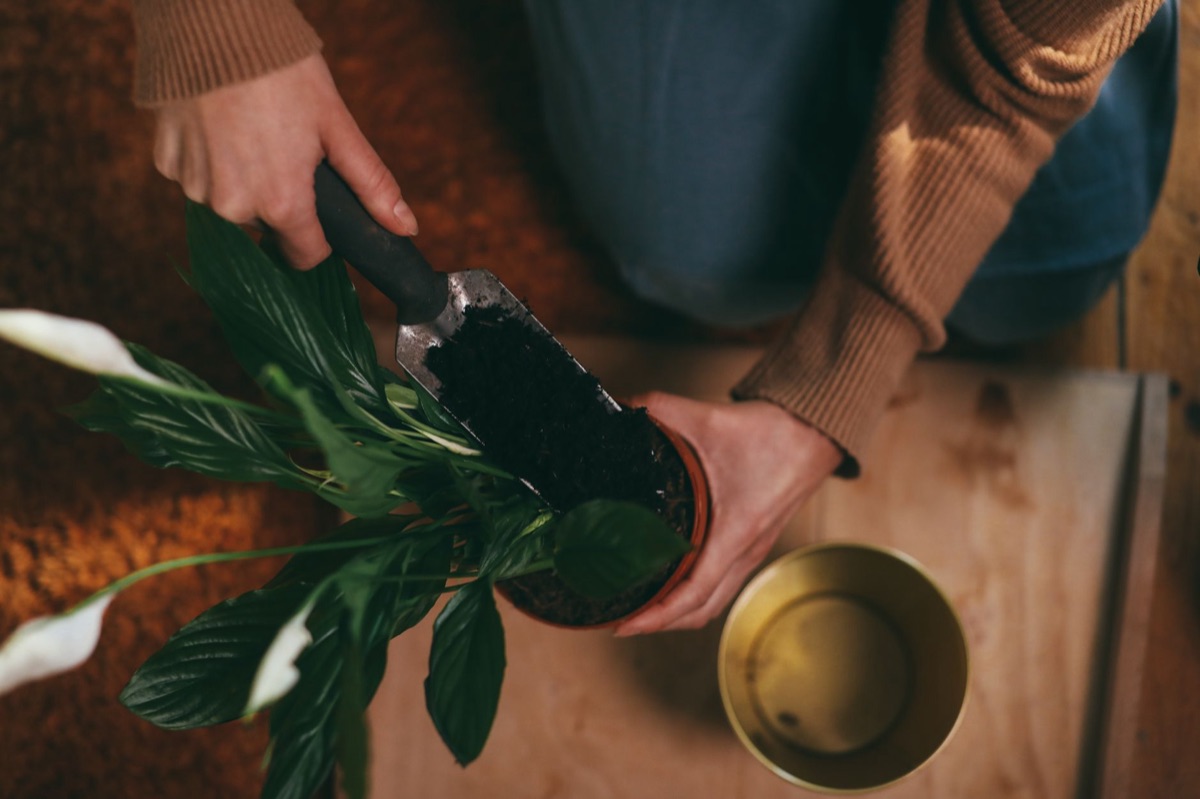
What ingredients do I need for the perfect soil mix? I stood in the garden center last Tuesday, staring at dozens of different bags, wondering how anyone could possibly keep track of the chemistry involved. It felt like trying to learn a new language where every word was a different type of fiber or mineral.
Building a professional-grade mix requires understanding how different organic and inorganic materials interact.
Most organic potting mixes are typically made with 20% to 50% compost by volume, depending on the type of crop that will be grown in the mix, the container size, and the growing conditions. This compost provides the biological engine for plant growth.
When working with organic components like Sphagnum peat moss, you must account for its natural chemistry. Sphagnum peat moss is a stable organic material that holds 15 to 30 times its weight in water and decomposes very slowly. However, it is naturally quite acidic, often having a pH of about 4.
Because of this acidity, lime must be added to the mix along with sphagnum peat, at a rate of 8.5 pounds per cubic yard to reach a more neutral level.
| Component | Primary Function | Typical Use Case |
|---|---|---|
| Compost | Nutrient delivery & biology | All vegetable/herb crops |
| Peat Moss | Moisture retention | High-moisture requirements |
| Perlite/Vermiculite | Aeration & drainage | Preventing compaction |
| Lime | pH buffering | Neutralizing acidic organic matter |
If you are starting a new project, you need a clear plan to avoid the mistakes I made.
How do I create a custom mix from scratch?
I once tried to grow a thirsty fern in the same heavy, sandy mix I used for succulents, and the results were predictably disastrous. The fern shriveled in days, while the succulent eventually succumbed to rot from the over-retention of moisture.
Different plants have vastly different biological requirements. A heavy feeder like a tomato plant requires a different nutrient profile and structural density than a delicate herb like thyme.
In controlled indoor environments, we often use the term "growing medium" rather than "soil" because we are creating a specialized environment that mimics natural processes within a limited space.
To ensure success, follow this standard procedure for creating a custom indoor mix:
- Select a base material: Choose a primary medium like peat moss or coco coir to provide the bulk of the volume.
- Add aeration: Incorporate 20% to 30% perlite or coarse sand to create air pockets.
- Integrate organic matter: Mix in 10% to 20% high-quality compost for biological activity.
- Adjust pH: If using acidic peat, add a small amount of horticultural lime to stabilize the environment.
- Test the consistency: Squeeze a handful of moist mix; it should hold its shape but crumble easily when poked.
When selecting your mix, consider how the container size and watering frequency will interact with these components. A large pot holds moisture longer, whereas a small pot may require more absorbent materials to prevent the medium from drying out too quickly.
But even with the perfect mix, there is a silent killer waiting in the shadows.
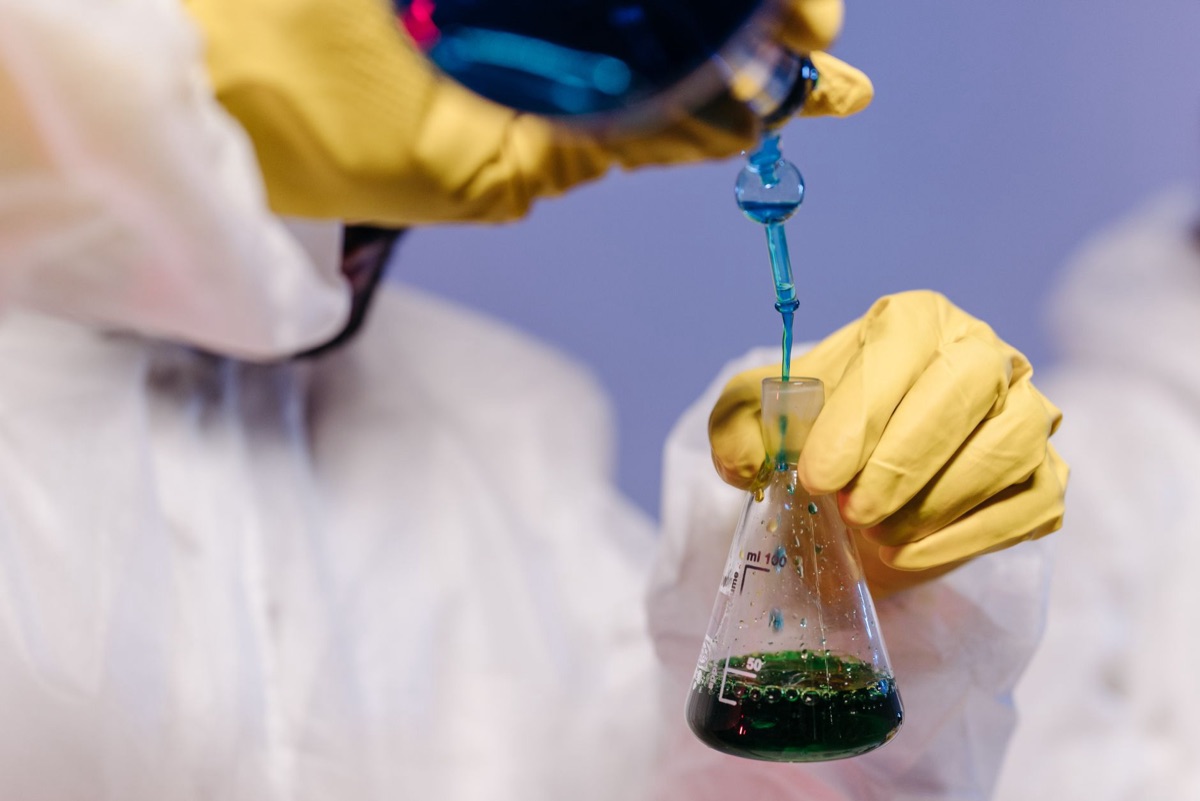
Beyond the Mix: Managing Soil Health in Small Spaces
I sat by my window during a heavy rainstorm in late 2025, watching the water soak into my indoor pots, thinking about how much of the plant's life is hidden beneath the surface. It is easy to forget that the most active part of the garden is the invisible world of roots and microbes.
Water management is the most common point of failure in indoor gardening. Because we use materials like Sphagnum moss, which can hold 15 to 30 times its weight in water, it is easy to overwater.
You must monitor how the structure holds water versus how quickly it allows excess to escape through the drainage holes.
Nutrient cycling is another silent factor. Some organic materials provide a slow, steady release of nutrients, which is ideal for long-term growth. However, you must be aware that certain components, like peat, contain 1% nitrogen that is almost never released to the plants.
This means you cannot rely solely on the base material for nutrition; you must supplement with compost or fertilizers to ensure the plants have the fuel they need to perform. If you miss these subtle shifts, you will face the dreaded symptoms of a failing environment.
Troubleshooting Soil Issues: When the Mix Goes Wrong
The smell of sulfurous, rotten eggs coming from a potted plant is a scent I will never forget. It was the unmistakable sign that my drainage had failed, and a miniature disaster was unfolding in my living room.
If you notice stunted growth or yellowing leaves, you may be dealing with nutrient lock-up caused by an incorrect pH balance. If the medium is too acidic, the plant cannot physically absorb the nutrients present in the soil, even if you are fertilizing regularly.
Conversely, if the leaves look wilted but the soil is soaking wet, you are likely facing anaerobic conditions from poor drainage. To fix these issues, you can either amend the existing mix or start fresh. If the pH is the problem, adding buffering agents like lime can help.
If the structure has collapsed and become too dense, mixing in more perlite or coarse organic matter can restore aeration.
FAQ
Can I use garden soil indoors? No, you should avoid using standard garden soil in indoor containers. It is too heavy and tends to compact easily, which squeezes out the air necessary for roots. It also frequently introduces unwanted pests, fungi, and pathogens into your home.
What is the ideal soil mix ratio for beginners? While there is no single perfect ratio, a great starting point is a balanced mix: roughly 40% organic matter (like compost or peat), 40% aeration material (like perlite), and 20% moisture-retaining material (like coco coir).
How do I know if my soil is too acidic? If your plants show signs of stunted growth or yellowing despite proper watering, the pH may be off. You can use a simple pH testing kit from a garden center to check the acidity.
If the level is too low, you can add buffering agents like lime to raise the pH.



Comments 0