Soil test before farming: Why understand soil solids
"The foundation of every successful harvest begins beneath the surface, where the invisible balance of minerals and organic matter dictates the future of the crop."
A successful soil test before farming involves analyzing the physical and chemical composition of your land to ensure it can support life. This guide covers essential metrics like organic matter, bulk density, and pore space to help you transition into productive agriculture.
Key takeaways include understanding the role of humus in moisture retention, managing soil solids versus voids, and recognizing the importance of gas exchange in pore spaces.
Why is a soil test before farming essential for new growers?
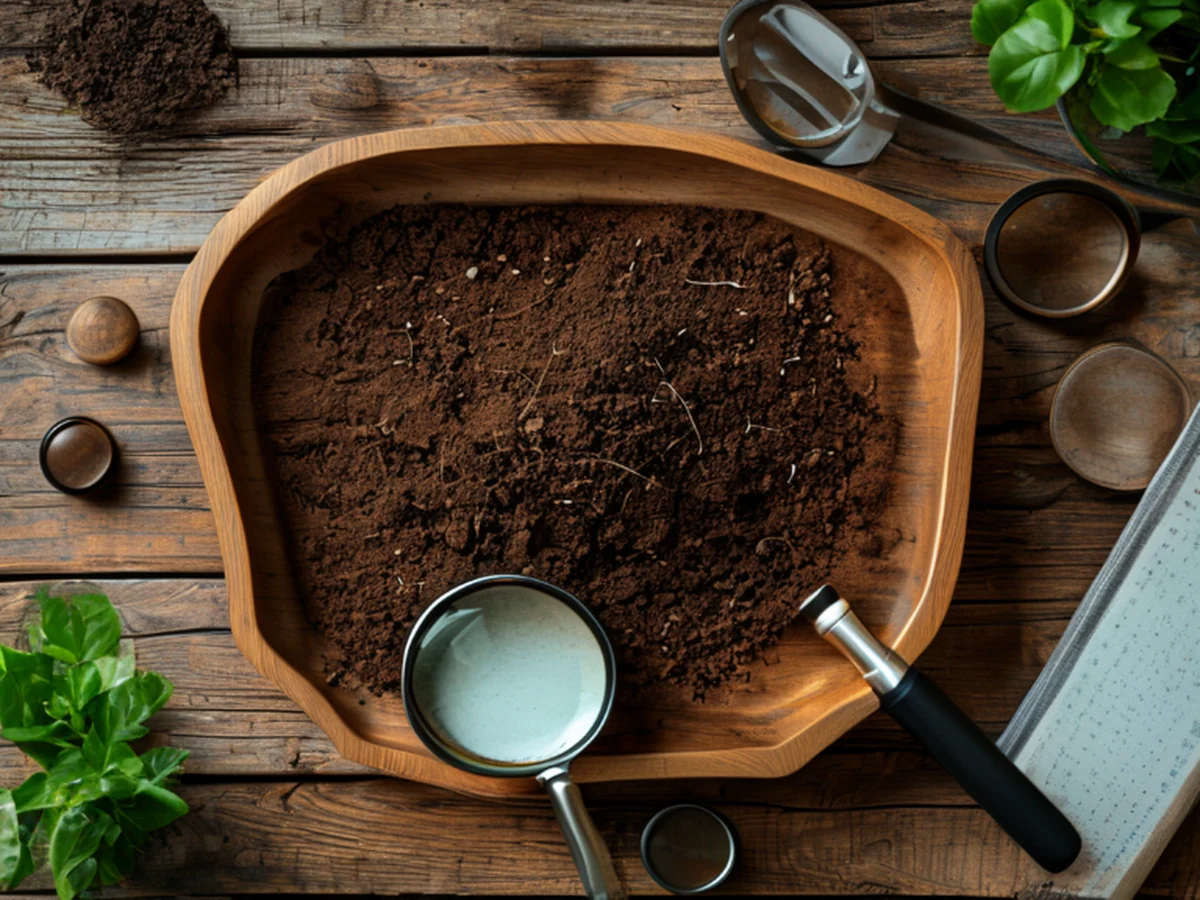
At sunrise, a new grower kneels in the vast field to dig into the dark soil, feeling the gritty texture against their palms.
A farmer stands in a wide field, kneeling to run fingers through the dark earth to feel its texture. Understanding the composition of your land is the first step toward long-term productivity.
A typical soil is composed of about 50% solids, consisting of 45% mineral and 5% organic matter, and 50% voids or pores. These voids are vital because half is occupied by water and the other half by gas.
A reliable soil test before farming allows you to understand these proportions, ensuring your land has the structural integrity needed for root growth.
- Analyze the current nutrient levels. 2. Determine the pH balance. 3. Develop a customized fertilization plan.
How do organic matter and humus affect moisture?
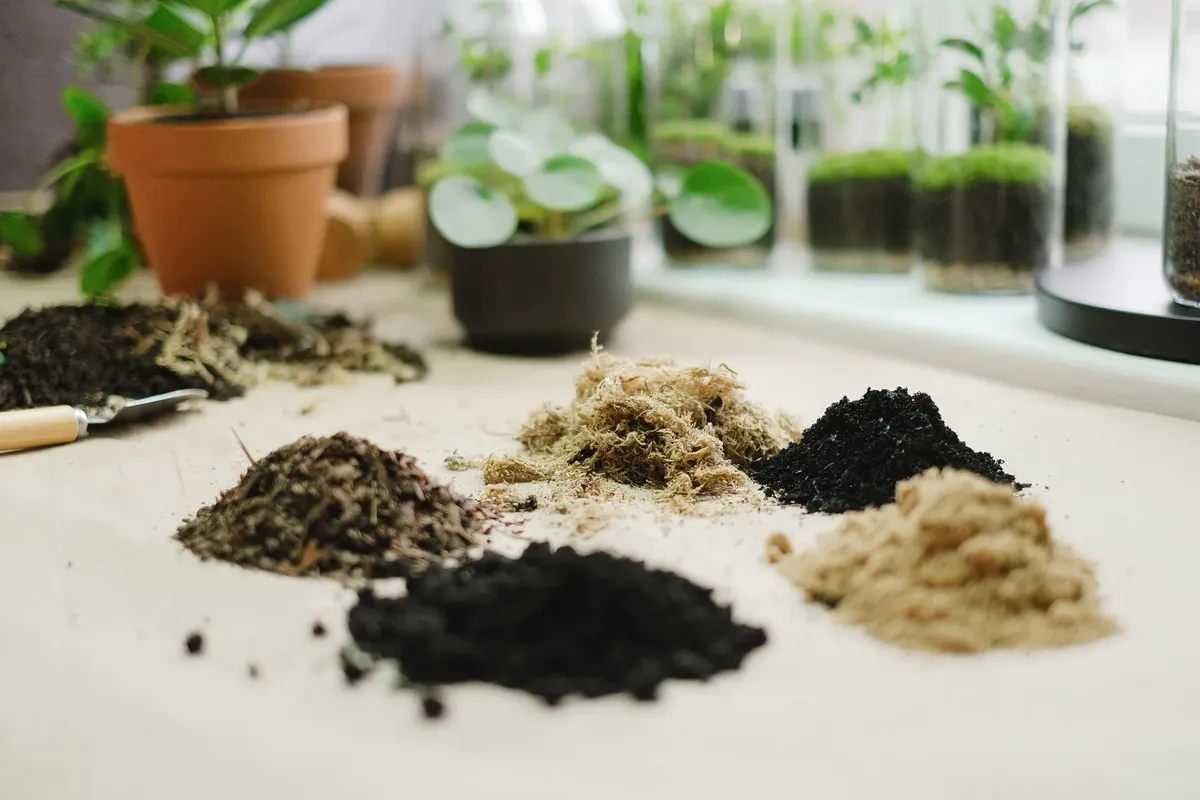
At dawn, a farmer kneels in the garden to press dark, spongy humus into the soil to feel its dampness.
A person pours water over a patch of dry dirt to see how quickly it disappears into the ground. Managing organic matter is a primary goal for those seeking to build resilient land.
Humus plays a critical role in water management because it can hold the equivalent of 80–90% of its weight in moisture. This characteristic increases the soil's capacity to withstand drought. By focusing on building organic content, you create a buffer against unpredictable weather patterns.
In this sequence, the second step is the most significant.
What are the risks of high CO2 in soil pore space?
During a heavy rain, a gardener leans over the muddy field to smell the sharp, stifling scent rising from the suffocating soil.
A gardener observes a wilting plant in a heavy, compacted clay patch during a humid afternoon. Monitoring the gas balance within the ground is just as important as monitoring water.
While atmospheric CO2 concentration is 0.04%, the concentration in the soil pore space may range from 10 to 100 times that level. This high concentration can potentially contribute to the inhibition of root respiration.
Maintaining proper aeration is a key part of a farm soil analysis guide to prevent suffocating your crops.
How do density and voids impact root growth?
A shovel enters the ground with varying levels of resistance, moving through layers of different hardness. Understanding the physical structure helps prevent compaction issues.
Most soils have a dry bulk density, which is the density of soil taking into account voids when dry, between 1.1 and 1.6 g/cm3. This is significantly lower than the soil particle density, which ranges from 2.6 to 2.7 g/cm3.
Managing these density levels is a vital part of a check soil health for farming strategy to ensure roots can penetrate the ground easily.
How can you manage soil organic matter effectively?
A farmer spreads compost over a freshly tilled field to enrich the topsoil. Building soil health for farming requires a consistent approach to nutrient and structure management.
According to the Soviet Union, many Cuban farms converted to organic methods out of necessity after the collapse of the Soviet Union in 1991, when agricultural inputs previously purchased from Eastern bloc countries were no longer available in Cuba.
According to the Agricultural Research Service, a 2007 study found that manure applications in tilled organic farming are better at building up the soil than no-till.
A 2007 study by the USDA's Agricultural Research Service has found that manure applications in tilled organic farming are better at building up the soil than no-till, according to the USDA.
To build healthy soil, follow these steps:
- Incorporate organic materials to increase the percentage of organic matter within the solid fraction. 2. Manage the balance of water and gas within the 50% void space to prevent anaerobic conditions. 3. Monitor the dry bulk density to ensure it stays within a healthy range for plant development.
I remember feeling the difference in soil structure when I first began comparing different field plots. A pre-farming soil testing routine helps you identify which areas need more organic enrichment to reach that 5% organic matter baseline.
What are the limitations of soil testing?
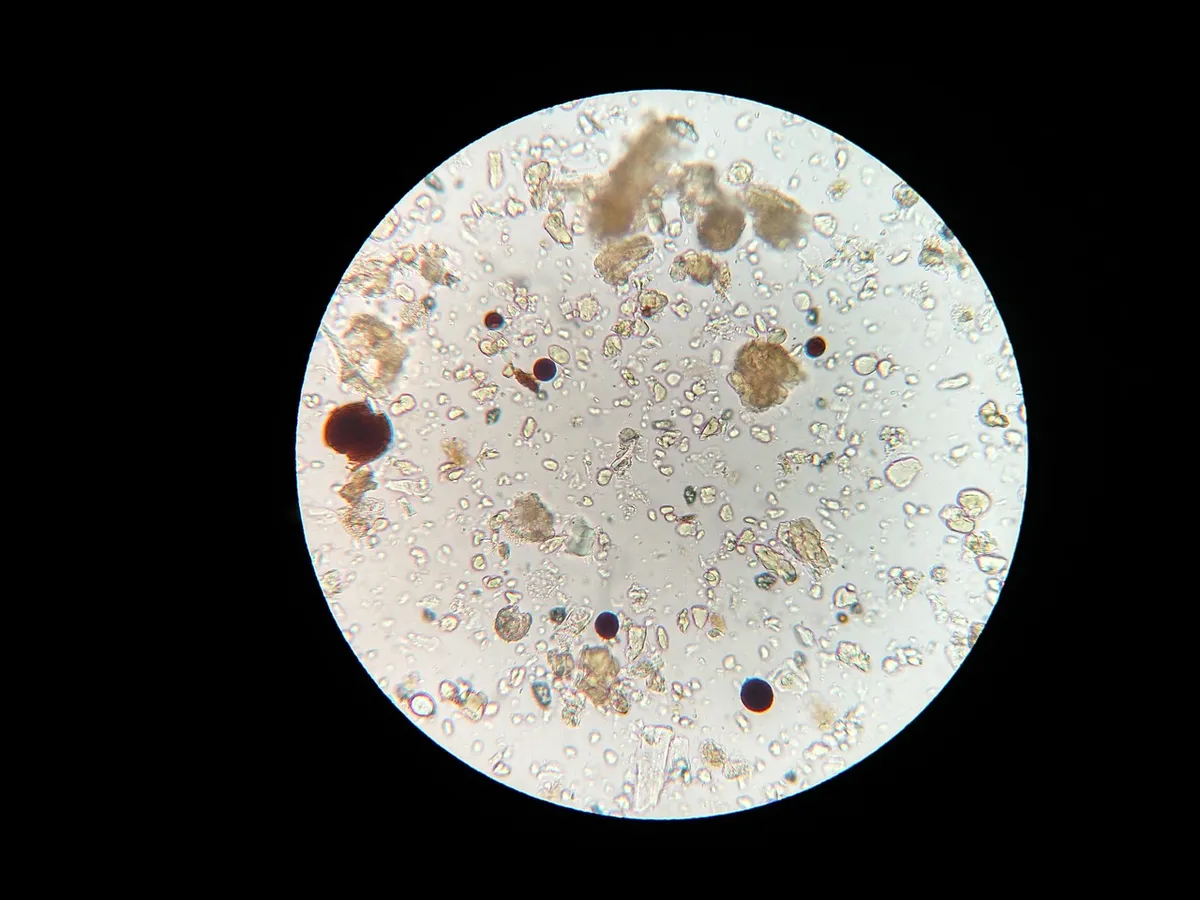
A scientist looks through a microscope at a soil sample, noting the tiny particles and living organisms. While testing provides data, it is subject to specific environmental conditions.
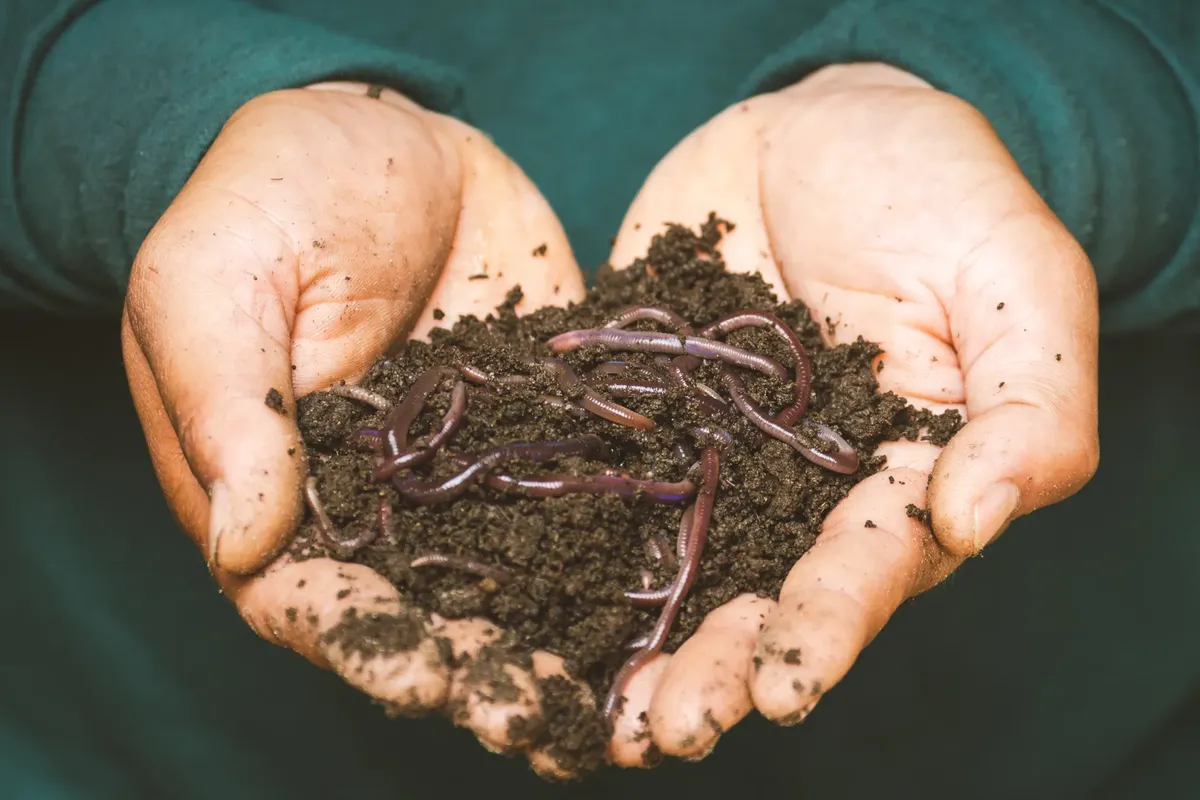
A limitation exists because a typical soil has a biomass composition of 70% microorganisms, 22% macrofauna, and 8% roots, meaning the living component is highly dynamic. If your soil has extremely high moisture or compaction, the gas-to-water ratio in the pores may change rapidly.
- Why is a soil test before farming essential for new growers?
- How do organic matter and humus affect moisture?
- What are the risks of high CO2 in soil pore space?
The same subject is also called Soil pH and organic matter.
This part also covers How to choose crops by soil test.
This part also covers Starting healthy farming with soil.
This part also covers Soil microbe activity for new farmers.
How to choose crops by soil test
Related



Comments 0