34% emissions: Resilient farming for food security how
"The global food system, encompassing all industries involved in sustainable and conventional production, provides employment for 1 billion people."
Addressing the vulnerabilities of our food supply requires a shift toward resilient farming for food security that balances production with environmental health.
This transition involves managing high greenhouse gas emissions, reducing post-harvest losses, and addressing the massive hidden costs of unhealthy dietary patterns.
Key takeaways include managing the 34% of emissions tied to food, mitigating the USD 12.7 trillion in hidden costs, and adapting to dietary changes to ensure long-term stability.
How can we manage the risks of the global food system?

A farmer stands in a field, looking at a dry horizon while checking irrigation equipment. The scale of the global food system is massive, involving diverse industries that sustain much of the world's population.
According to the IPCC, the global food system, including all of the various industries involved in sustainable and conventional food systems, provide employment for 1 billion people. This vast workforce is essential for maintaining the stability of global food supplies.
The sheer size of this network means that any disruption can have immediate consequences for livelihoods. Building resilient farming for food security requires strategies that protect these 1 billion jobs while ensuring the food reaches those who need it.
- Diversify crop varieties to prevent widespread failure.
- Strengthen local supply chains to reduce dependency on long-distance transport.
- Implement real-time monitoring to detect disruptions early.
How is my food hurting the planet? Resilient farming for food security A researcher reviews climate data on a tablet, noting the rising temperature trends in agricultural regions. The relationship between how we produce food and the health of our planet is becoming increasingly clear.
The food system is a major contributor to environmental changes, with about 34% of total greenhouse gas emissions being attributable to the global food system. This high percentage highlights the urgency of finding more sustainable production methods to mitigate climate impact.

Addressing these emissions is part of a larger goal to develop climate-proof agriculture plans. Because emissions are on course to increase by 30–40% by 2050 due to population growth and dietary change, immediate shifts in production are necessary.
In this sequence, the first step is the most critical.
According to IPCC, the 1961 record includes 30%.
What am I really paying for our food systems? An economist calculates figures on a spreadsheet, comparing the costs of production against social health expenses. The financial implications of our food choices extend far beyond the grocery store shelf.
The 2023 edition of the FAO report estimates global hidden costs from agrifood systems to be USD 12.7 trillion. These costs represent the indirect economic burdens caused by current production and consumption patterns.
Such vast sums impact global economies and individual well-being through various channels. Developing vulnerable food system fixes involves identifying these costs to redirect resources toward more efficient and healthy systems.
How do dietary patterns affect global health and economics?
A health official examines a report detailing disease trends across different continents. The connection between the food we eat and the economic burden of disease is a critical component of food system resilience.
The 2023 edition of the FAO report notes that global health hidden costs amounted to 8.1 trillion 2020 PPP dollars, which represents 70 percent of all the hidden costs of agrifood systems. This shows that much of the economic burden is tied directly to human health.
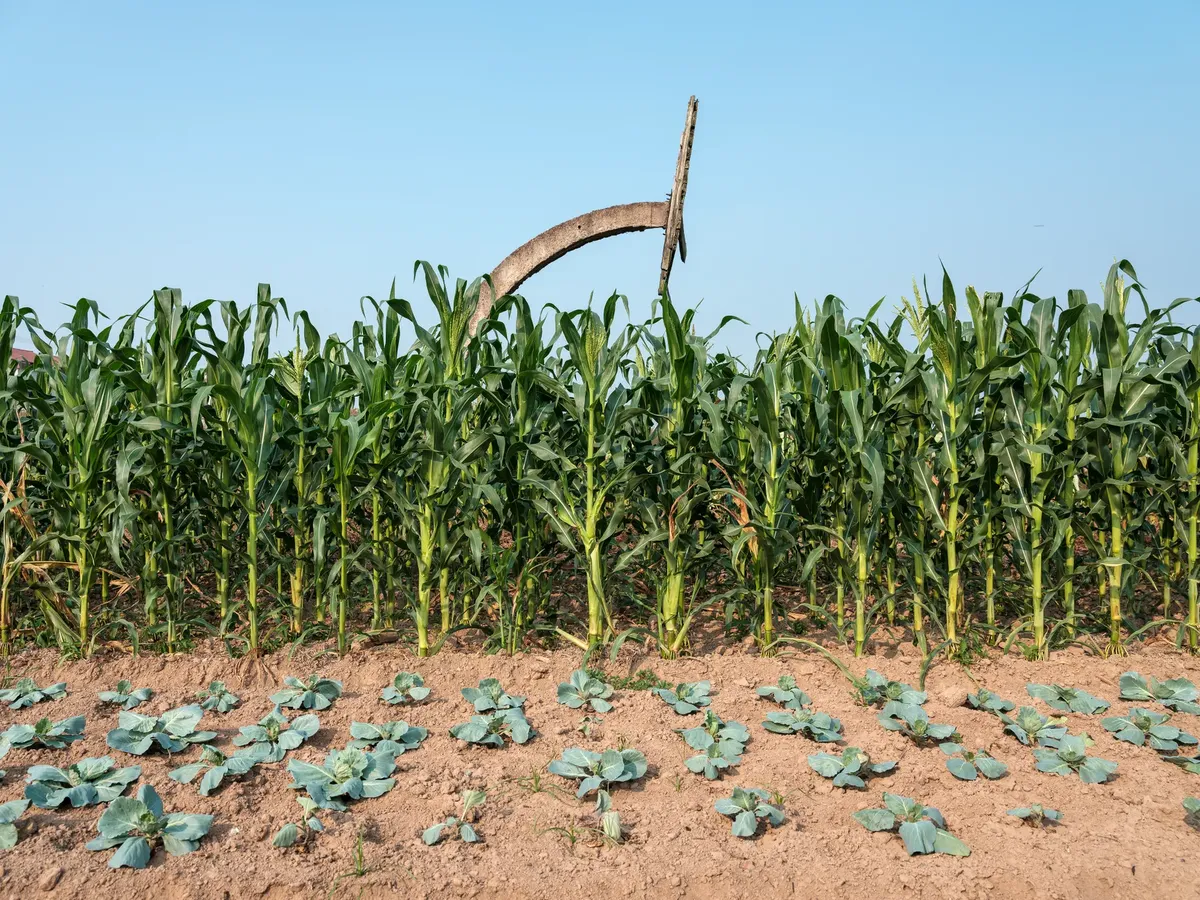
A subsequent edition of the FAO report provides a detailed breakdown of the hidden costs associated with unhealthy dietary patterns that lead to non-communicable diseases for 156 countries. This data helps in creating robust farming for crises by addressing the health-related economic drain.
What are the steps to building a more resilient food system?
A logistics coordinator tracks a shipment of grain moving across a map of international shipping lanes. To move from a fragile system to one that can withstand shocks, specific strategic changes must be implemented.
Building resilience involves addressing several key areas of the supply chain:
- Focus on food loss reduction: Addressing issues at each stage in the system can have system-wide effects, especially since 30–40 percent of food produced is lost from post-harvest up to retail and the consumer. 2. Shift toward sustainable diets: Adapting the food system to reduce greenhouse gas emissions impacts and food security concerns while shifting towards a sustainable diet is feasible. 3. Strengthen infrastructure: Robust transport networks support agrifood systems' resilience, helping to prevent loss during transit.
I once observed how much food was wasted during a single distribution cycle, which highlighted the importance of these steps. Ensuring these changes are implemented is vital for future-proofing food production.
Are there limitations to these agricultural strategies?

A policymaker reads through a thick binder of regulations, considering the trade-offs of new environmental laws. While the path forward is clear, the transition is not without significant challenges.
One limitation is that the increase in the availability of food since 1961 has primarily been driven by an 800% increase in the use of nitrogen fertilizers and high water usage.
These resource-intensive methods have historically supported the 30% increase in per capita food supply since 1961, making the shift to sustainable methods a complex technological and economic challenge.
The same subject is also called Sustainable food system strategies.
This part also covers Adapting agriculture to global shocks.
This part also covers Building resilience in food supply.
Adapting agriculture to global shocks
Related




Comments 0