Lettuce Planting Guide: Match Your Harvest to Microclimate
"Stop guessing when to tuck your seeds into the dirt; follow this guide to match your lettuce planting with your local microclimate for a perfect harvest."
Success in the garden starts with timing, not just luck. By aligning your planting schedule with local temperature shifts and seasonal transitions, you can avoid the bitter taste of bolting and the heartbreak of frost-damaged seedlings.
* Ideal Starting Window: Early spring for cool-season varieties or late summer for heat-tolerant types. * Critical Success Factor: Soil temperature and the fluctuation between day and night temperatures. * Key Maintenance: Consistent moisture management is vital to prevent bitter leaves. * Harvest Cue: Pick outer leaves early to prevent the plant from bolting (going to seed).
When is the absolute best time to sow lettuce?
The sun hits the backyard in late March, and the smell of damp earth fills the air as you pull on your gardening gloves. You look at the packet of seeds in your hand, wondering if the ground is truly ready for life to break through.
The best time to sow lettuce depends entirely on your hardiness zone and the specific variety you have chosen. In most temperate regions, the first window opens in early spring when the soil temperature consistently stays between 45°F and 60°F.
This is the time for crisp, loose-leaf varieties that thrive in the cool.
A second window opens in late summer or early autumn. As the intense heat of July fades, the dropping temperatures provide another perfect nursery for lettuce. In coastal regions where winters are mild, you might find yourself planting in late autumn for a winter harvest.
In contrast, inland gardeners in hotter zones must wait until the heat breaks to ensure seeds don't simply bake in the top inch of soil.
Seed viability is another factor to watch. If your seeds were stored in a damp garage or an overheated shed, their germination success rate might drop significantly. Always check the freshness of your packets to ensure the spring surge is successful.
When I first started my garden in 2024, I thought any time was good as long as the sun was out. I learned quickly that the thermometer matters more than the calendar.
From seed to transplant: how do I prepare the perfect bed?
You stand in the center of your garden bed, knee-deep in dark, rich compost, feeling the texture of the soil between your thumb and forefinger. You know that the foundation of a crisp leaf is built in this very dirt.
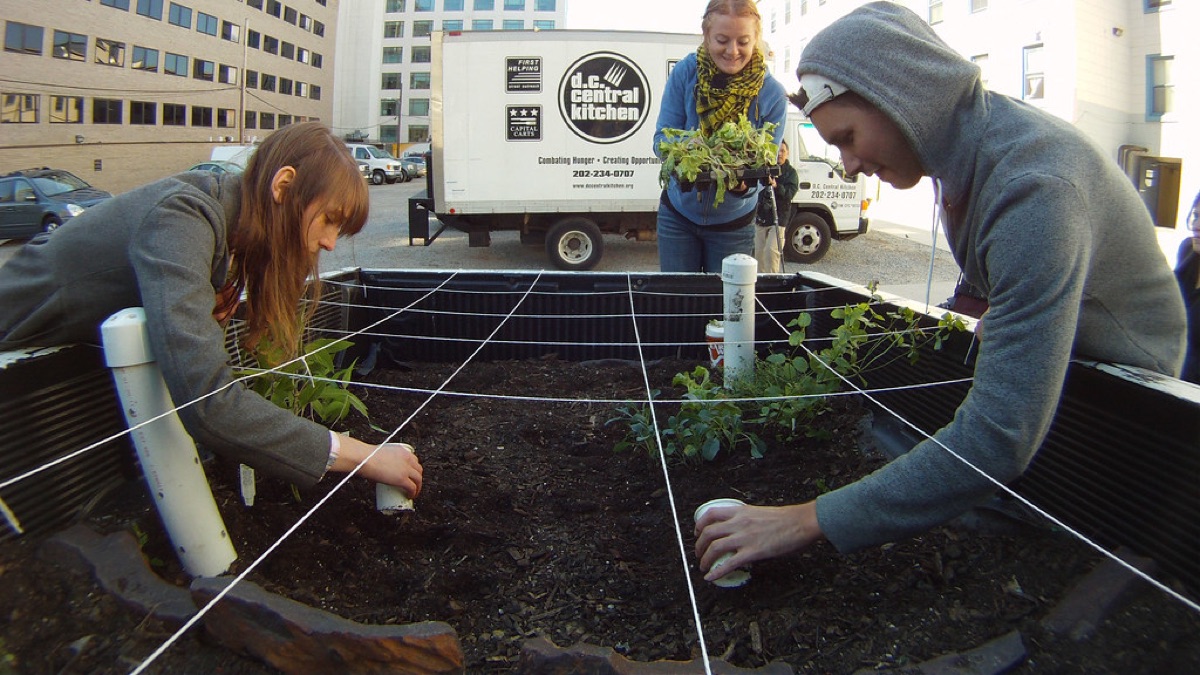
Soil preparation is the most critical step in the foundation phase. Lettuce requires well-draining soil enriched with organic matter to support rapid vegetative growth. If your soil is heavy clay, mix in compost or peat moss to prevent the roots from drowning in standing water.
When laying out your garden, spacing is key to managing airflow and competition. Depending on the crop species and growing conditions, rows are typically about 10 to 30 cm (roughly 4 to 12 inches) apart.
If you are planting larger head-forming varieties, you might need even more room to allow for full expansion.
Achieving even distribution is another challenge for the home gardener. In professional settings, wider rows—generally 75 cm (30 in) or more—are used to allow for easy maintenance and precise spacing between individual plants.
For home plots, you might use manual techniques to ensure even depth, but the goal remains the same: giving each seed enough own space to breathe. After sowing, keep the surface lightly misted to maintain the warmth and moisture required for germination.
But having the right dirt is only half the battle; the real work begins once the green shoots appear.
Nurturing growth: how do I manage mid-season care?
The morning dew clings to the tiny, bright green leaves as you walk through the rows, careful not to step on the delicate seedlings. The growth is rapid, and the responsibility of maintenance feels heavier as the sun climbs higher.
Water management is the heartbeat of lettuce growing. Because lettuce has shallow roots, it cannot tap into deep moisture reserves like a tomato plant can. You must practice consistent, deep watering rather than frequent, shallow sprinkles.
Shallow watering encourages roots to stay near the surface, making them vulnerable to drying out during a heat spike.
Temperature stress is the enemy of flavor. If a sudden heat wave hits, the plant may experience stress, leading to bitter leaves or premature flowering. In these moments, providing temporary shade or increasing mulch can help regulate the soil temperature.
Nutrient needs shift as the plant matures. During the initial vegetative growth, a balanced, nitrogen-rich organic fertilizer can help own the foliage. However, watch closely for pests like aphids, which love the tender new growth of spring seedlings.
Proactive identification—checking the undersides of leaves weekly—is much easier than fighting a full-blown infestation.
The real test comes when the plants reach maturity and the hunger for a harvest sets in.
Maximizing yield: how do I harvest and extend the season?
The kitchen table is empty, waiting for the first crisp harvest of the season. You approach the garden bed with pruning shears, looking for the perfect moment to make the first cut.
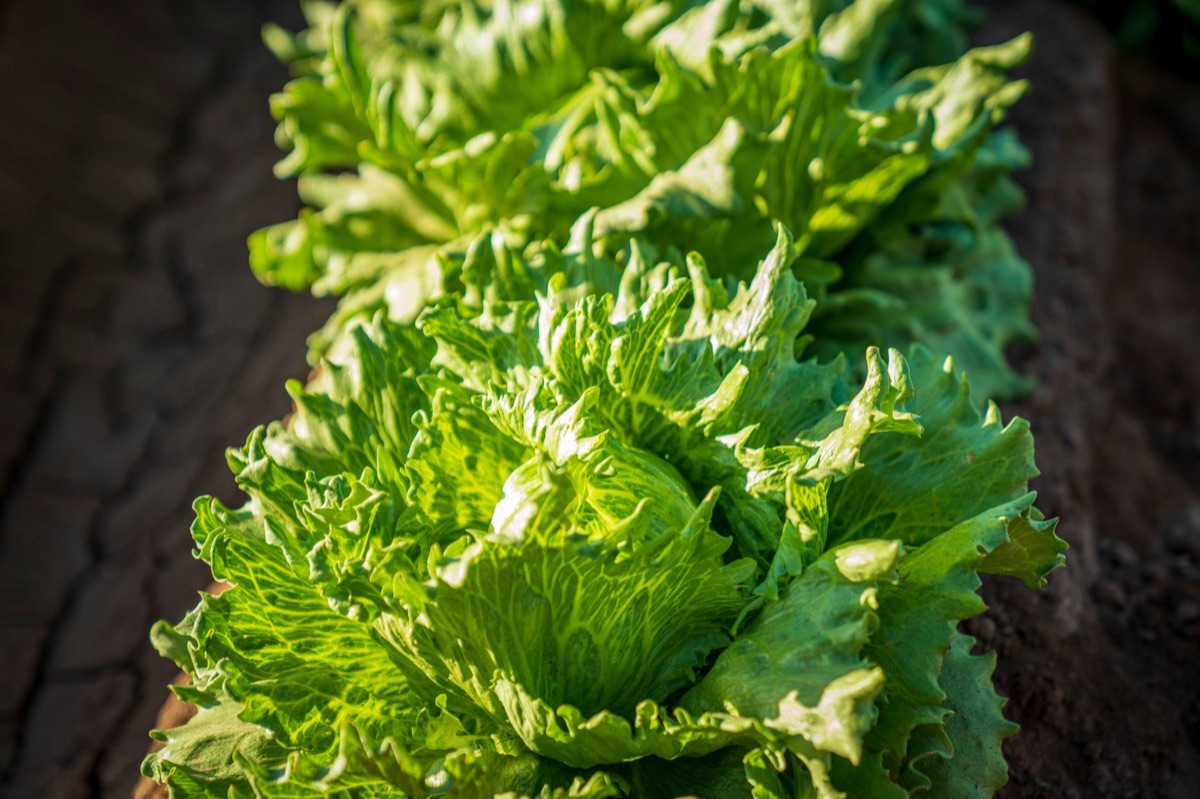
Harvest indicators are often visual and tactile. For loose-leaf varieties, look for leaves that have reached a sufficient size and possess a vibrant color. For head-lettuce, the tight structure of the center indicates peak readiness.
If the leaves feel thin or the plant looks "leggy," it may be time to harvest immediately to save the flavor.
There are two main harvesting techniques: cutting and pulling. For "cut and come again" varieties, you can harvest only the outer leaves, leaving the growing center intact to allow for regrowth. For head-forming varieties, you may need to pull the entire plant.
To extend your season, use succession planting. Instead of planting your entire seed stock in one weekend, plant a new batch every two weeks. This staggers the growth cycles, ensuring you have a continuous supply rather than a massive glut that rots before you can eat it.
For storage, keep harvested greens in a high-humidity, cool environment—ideally a vegetable crisper—to maintain crispness.
However, even with perfect timing, nature can throw a wrench in your plans.
Troubleshooting: why do things go wrong?
A sudden frost hits in the middle of April, and you walk out to find your beautiful seedlings drooping toward the frozen earth. It is a moment of doubt, wondering if the season is lost before it has truly begun.
The first hurdle is often transplant shock. If you move seedlings from an indoor tray to the outdoor bed, they may wilt or turn yellow. This is usually due to sudden changes in light or temperature.
To mitigate this, harden off your plants by gradually increasing their exposure to the elements over a week.
The most frustrating issue is bolting, or the plant going to seed. This happens when the plant perceives a stressor—usually heat or long days—and shifts its energy from leaf production to reproduction. Once a plant bolts, the leaves become bitter and tough.
The only real defense is timing your planting to avoid the peak heat of summer.
Finally, watch for the difference between root rot and underwatering. Both can cause wilting, but root rot usually presents with mushy, dark stems in saturated soil, while underwatering results in dry, brittle soil and crispy, brown leaf edges.
Always check the moisture level an inch below the surface before deciding which problem you have.
| Feature | Early Spring Planting | Late Summer Planting | |
|---|---|---|---|
| Primary Goal | Cool-season growth | Heat-tolerant varieties | |
| Soil Temp Target | 45°F - 60°F | 60°F - 70°F | |
| Risk Factor | Late spring frosts | Extreme heat/bolting | |
| s | Best Varieties | Romaine, Butterhead | Loose-leaf, certain Crema |
Success Checklist: How to plant your first batch
Follow these steps to ensure your first planting session is a success:
- Test the Soil: Ensure the ground is no longer frozen and the top 2 inches of soil can be crumbled easily.
- Amend the Bed: Mix in 2 to 3 inches of organic compost to provide an immediate nutrient boost.
- Sow with Depth: Plant seeds at a depth of about 1/4 inch (roughly 0.5 cm) to ensure they have enough weight to stay in contact with the soil.
- Initial Moisture: Use a spray bottle to mist the surface so you don't wash the tiny seeds away with a heavy stream.
- Labeling: Write the variety and the date on a stake immediately to avoid confusion in two weeks.
#




Comments 0