Lettuce vs Perilla: 2 Best Crops for Beginner Gardeners
"Will you harvest a salad bowl or a fragrant herb garden? The choice between lettuce and perilla determines your success as a beginner farmer."
Choosing between lettuce and perilla isn't just about flavor; it is about matching the biological needs of the plant to the reality of your backyard or balcony. If you have a shady windowsill, lettuce will be your best friend, while a sunny south-facing garden bed is the natural home for perilla.
* The Light Factor: Lettuce thrives in partial shade and cool spots; Perilla demands intense, direct sunlight. * The Space Factor: Lettuce is better for shallow containers; Perilla requires deeper pots for root expansion. * The Maintenance Factor: Lettuce is a "quick win" with a fast harvest; Perilla is a "long-term provider" with continuous harvesting.

Which one fits your environment: Sun vs. Shade?
At 7:00 AM on a Tuesday in July 2026, as the first rays of light hit a suburban balcony, a grower decides whether to place a tray of seedlings in the direct path of the sun or tucked behind a railing. This split-second decision determines whether their greens will thrive or wither.
The primary differentiator between these two crops is their relationship with light. Lettuce is highly adaptable to filtered light, requiring only about 4 to 6 hours of sun to reach a harvestable size.
This makes it the undisputed king of balcony gardening and indoor windowsill setups where light might be inconsistent. If your growing area is shaded by a neighboring house or an overhang, lettuce is your safest bet.
Perilla, on the other hand, is a sun-worshipper. To reach its full aromatic potential and thick leaf structure, it needs 6 to 8 hours of direct, intense sunlight. While it can survive in lower light, the leaves often become thin and lose that signature spicy punch.
Perilla also prefers warmth, thriving in temperatures between 68°F and 77°F (20–25°C), whereas lettuce prefers the cooler side of the spectrum, ideally between 59°F and 68°F (15–20°C).
If you are planting in the heat of summer, be careful with lettuce. High temperatures often cause "bolting," where the plant prematurely shoots up a flower stalk, making the leaves bitter and inedible. Perilla handles the heat much better, making it the superior choice for summer garden beds.
But even with the perfect sun, there is another factor that can ruin a harvest before it even begins.
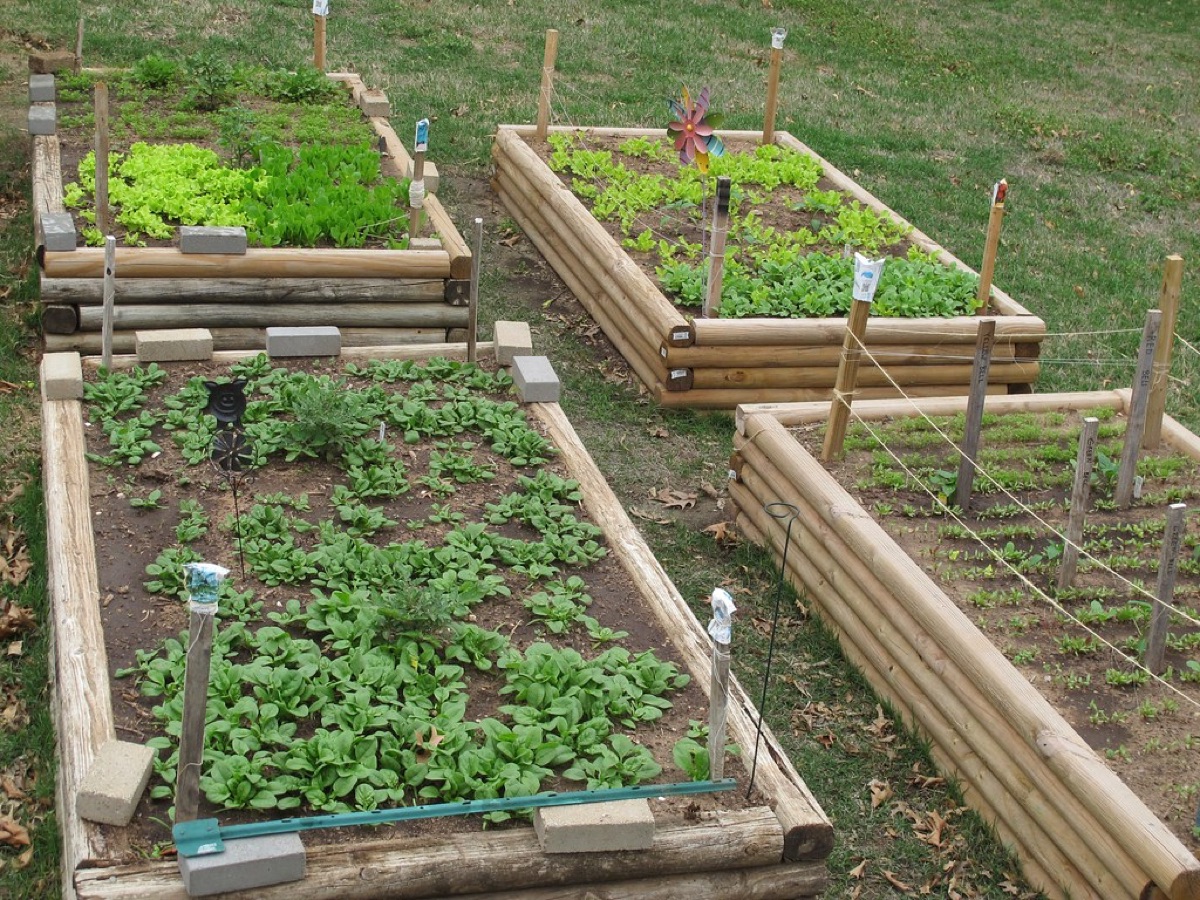
Growth Rate vs. Harvest Yield: Which gives faster results?
A young grower sits at a kitchen table in the late afternoon, staring at a packet of seeds and wondering how long they will have to wait before they can actually eat something. The tension between "instant gratification" and "long-term yield" is the first hurdle of gardening.
The speed of the harvest is where lettuce wins the beginner's race. You can often begin harvesting outer leaves of certain lettuce varieties within 4 to 6 weeks of planting. This rapid turnaround provides an immediate sense of accomplishment.
Because lettuce grows relatively low to the ground, you can fit many more individual plants in a small footprint, making it an efficient way to fill a salad bowl quickly.
Perilla follows a different rhythm. It has a longer establishment period where the plant focuses on building a robust structure. However, once it matures, the harvest method changes. While you harvest lettuce by picking outer leaves or entire heads, perilla allows for continuous pruning.
When I first tried growing both in my own small balcony setup in 2025, I realized that the lettuce gave me that immediate hit of success I needed to stay motivated. Perilla, however, felt like a slow-building investment.
You can pinch off the tops to encourage branching, leading to a bushier plant that provides a steady supply of flavorful leaves for months.
When calculating your yield, consider the "empty plate" risk. If you need food security right now, the quick cycle of lettuce is safer. If you want a consistent, heavy harvest of seasoning leaves to last through the season, the investment in perilla pays off in the long run.
But once the plants are growing, you might find yourself facing unexpected visitors.
Pest and Disease: Which is harder to manage?
In the humid air of a late afternoon, a gardener notices tiny, crawling shapes on the underside of a leaf and realizes their hard work might be under threat. Managing pests is often the most discouraging part of starting a garden.
The pest profiles for these two crops are distinct. Lettuce is highly susceptible to slugs and snails, especially in damp or shady environments where the soil stays wet. It can also be targeted by aphids, which congregate on the tender new growth.
Because lettuce is often grown in closer proximity to the ground, soil-borne diseases and rot are significant risks if drainage is poor.
Perilla faces different enemies. It is often targeted by whiteflies and leaf miners, which can defoliate the plant if left unchecked. While perilla is generally hardier against rot than lettuce, it can suffer from wilting if the soil dries out too quickly during a heatwave.
To defend your crops, organic solutions work for both. Using crushed eggshells around the base of lettuce can deter slugs, while a gentle spray of neem oil can manage aphids and whiteflies on perilla.
The key is to catch the problem early; once a pest infestation takes hold, the "easy" crop can quickly become a struggle.
If you are managing these pests, you also need to manage the ground they live in.
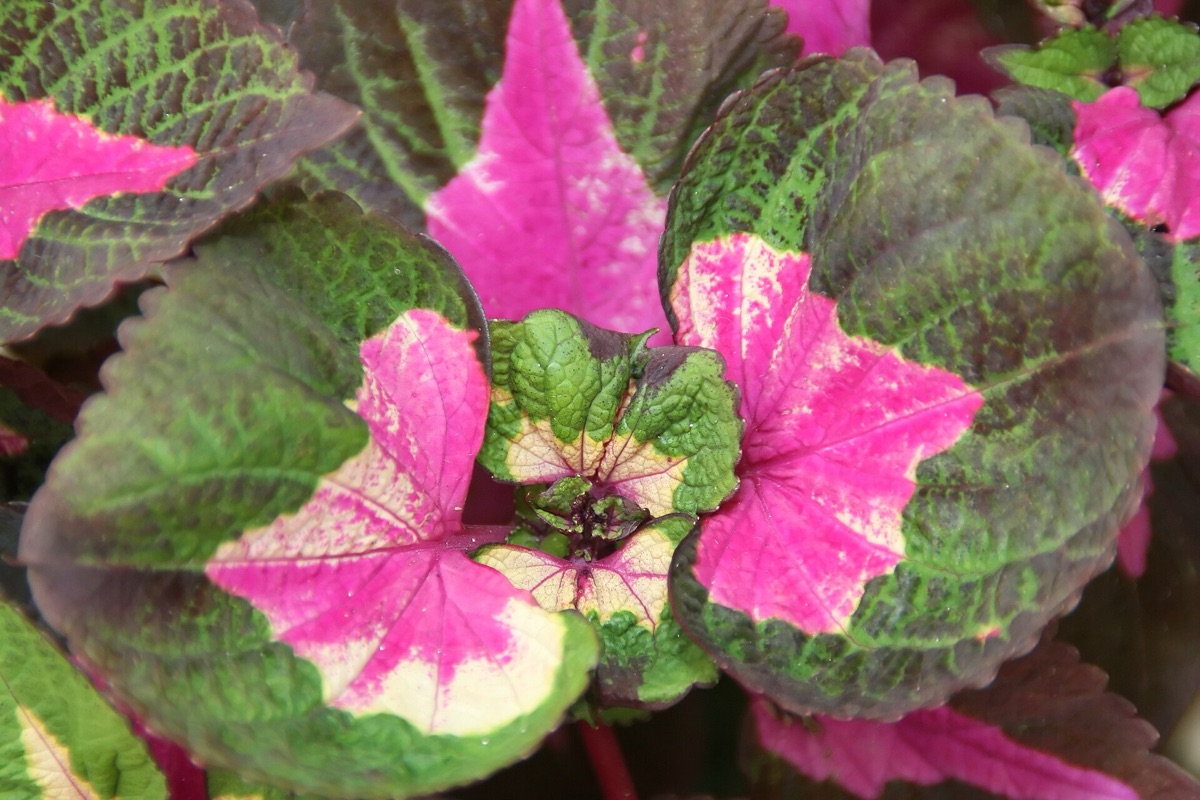
Soil and Container Requirements: Deep vs. Shallow
A gardener kneels in the dirt, feeling the texture of the soil and deciding whether to dig a deep hole or spread a thin layer of compost. The structure of the roots beneath the surface dictates how much space you need to prepare.
The root architecture of these two plants dictates their container needs. Lettuce typically has a shallower, more fibrous root system. This allows it to thrive in relatively shallow window boxes or wide, rectangular planters.
You don't need much depth to get a successful lettuce harvest, which makes it highly efficient for vertical or tiered gardening.
Perilla requires more "room to grow." It develops a deeper, more aggressive root system as it seeks nutrients to support its larger leaf surface area. To prevent stunted growth, perilla should be planted in deeper pots—at least 8 to 12 inches deep—to allow the roots to expand downward.
| Feature | Lettuce | Perilla |
|---|---|---|
| Primary Light Need | 4–6 Hours (Partial Shade) | 6–8+ Hours (Full Sun) |
| Ideal Temperature | Cool (59–68°F) | Warm (68–77°F) |
| Container Depth | Shallow/Medium | Deep |
| Harvest Style | Quick/Leaf-by-leaf | Long-term/Pruning |
| Best Environment | Balcony/Window | Backyard/Garden Bed |
For both crops, the soil composition is vital. You want well-draining, loomy soil. However, because lettuce is a "leafy" crop, it benefits from nitrogen-rich organic matter, while perilla may require a slightly more balanced fertilizer to support its woody structure as it matures.
Knowing these differences is enough to start, but you need a plan to execute.
The Ultimate Decision Matrix: A Step-by-Step Selection Guide
The sun begins to set, and the decision must be made. To choose your first crop, follow this logical progression to match your reality with the plant's needs.
- Assess your light source: If you have direct, harsh sun, choose perilla. If you have filtered or morning-only light, choose lettuce.
- Assess your space: If you are using a windowsill or a shallow balcony planter, go with lettuce. If you have access to a raised bed or deep pots, perilla is viable.
- Assess your culinary goal: Do you want a base for salads and sandwiches? Choose lettuce. Do you want an aromatic herb for wraps, teas, or seasoning? Choose perilla.
- The "Failure Insurance" Check: If you are a complete novice, start with lettuce. It is easier to restart a crop if a single harvest fails due to weather or pests.
#




Comments 0