Food System Resilience: EU sustainable farming policy how
"The global food system provides employment for 1 billion people, yet it remains one of the largest sources of environmental pressure."
The global food system faces a complex challenge of balancing increased production with environmental stability. This analysis examines how policy frameworks and systemic changes aim to mitigate hidden costs and emissions while securing future food supplies.
Key takeaways include the necessity of addressing greenhouse gas emissions, managing the rising costs of unhealthy diets, and implementing strategic policy initiatives like the European Green Deal.
How does the global food system impact the environment?
At dawn, the farmer wipes sweat from his brow while looking over the vast field where industrial food production drains the soil.

A farmer stands in a field, observing the heavy application of nitrogen-based fertilizers used to boost yields. This traditional method of production, while effective for increasing supply, carries significant environmental weight.
The heavy application of nitrogen-based fertilizers can lead to nutrient runoff, affecting local ecosystems.
The food system is a major driver of climate change, with emissions accounting for between 21% and 37% of global greenhouse gas emissions. This impact stems from various stages, including production, processing, and distribution.
Emissions generated during production often relate directly to the energy used in fertilizer creation and application. Processing and distribution contribute to the overall footprint through transportation and energy demands.
Addressing these issues requires a shift in how resources like water and soil nutrients are managed to ensure long-term stability. Effective resource management minimizes waste and prevents the leaching of excess nutrients into natural waterways.
The expansion of food availability since 1961 was largely driven by an 800% increase in the use of nitrogen fertilizers and a more than 100% increase in water usage. This massive reliance on nitrogen fertilizers demonstrates a shift toward high-input agriculture.
The increased water usage highlights the strain placed on freshwater reserves globally. These fossil fuel-dependent and resource-intensive practices contribute to the current climate challenge.
The reliance on fossil fuels is necessary for manufacturing fertilizers and powering agricultural machinery. Balancing these needs with environmental preservation is a central goal for modern agricultural policy.

This balancing act necessitates finding methods that maintain high yields without incurring excessive environmental debt.
How much are our current food systems costing us? EU sustainable farming policy Late at night, the researcher rubs her tired eyes as she stares at the glowing screen detailing the heavy price of modern food.
A researcher reviews a spreadsheet detailing the massive financial implications of global dietary patterns. The numbers reveal a deep connection between how we produce food and the economic burdens placed on societies.
The economic burdens are often borne by public health systems and environmental remediation efforts.
The 2023 edition of the FAO report, The State of Food and Agriculture, estimates that global hidden costs from agrifood systems amount to USD 12.7 trillion. These hidden costs encompass various negative externalities that are not reflected in market prices but affect global economies.
These externalities include pollution costs, resource depletion, and health expenses. The lack of market reflection on these costs means the true expense of food is often underestimated.
The 2020 data indicates that global health hidden costs amounted to 8.1 trillion 2020 PPP dollars, representing 70 percent of all hidden costs of agrifood systems. These costs are often linked to dietary patterns that lead to non-communicable diseases.
The prevalence of these diseases directly correlates with the consumption of certain food types. Addressing these health-related expenses is a critical component of building a resilient food system. A resilient food system must support public health alongside nutritional security.
| Category | Estimated Cost / Impact |
|---|---|
| Total Global Hidden Costs | USD 12.7 trillion |
| 2020 Global Health Hidden Costs | 8.1 trillion 2020 PPP dollars |
According to IPCC, the 1961 record includes 30%.
How is Europe addressing these challenges through policy?

A policymaker in Brussels reviews the strategic goals of the European Green Deal to align agricultural production with climate targets. The focus is on creating a roadmap for a sustainable and neutral future.
The European Green Deal, approved in 2020, is a set of policy initiatives by the European Commission with the overarching aim of making the European Union (EU) climate neutral in 2050.
This framework provides a structured approach to transitioning various sectors, including agriculture, toward sustainability. The transition requires fundamental changes in farming practices and supply chain management.
The European Union's Scientific Advice Mechanism has published a systematic review of all European policies related to sustainable food systems. This review helps integrate academic findings with practical policy implementation.
The integration process ensures that policy decisions are scientifically grounded. Such efforts aim to reconcile production needs with the necessity of climate neutrality. Reconciling these two needs requires innovative agricultural techniques that reduce emissions while maintaining food output.
How can we make our food systems more resilient? A logistics coordinator manages a supply chain, attempting to minimize the waste generated during transit and storage. Resilience involves strengthening every link in the chain to withstand shocks. A resilient system can better absorb external pressures, such as climate events or market volatility.
To build a more robust system, stakeholders can focus on these three areas:
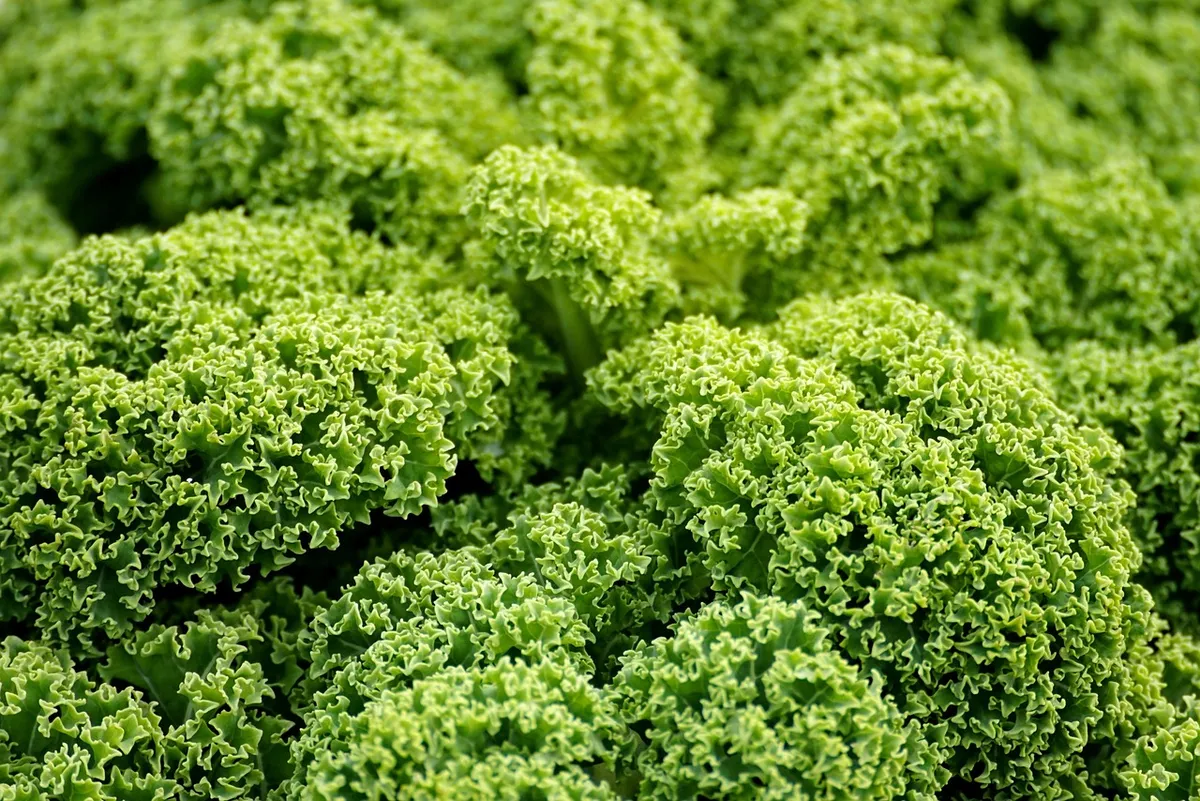
- Reduce post-harvest losses: Addressing issues at each stage can mitigate the 30–40 percent of food produced that is lost from post-harvest to retail and the consumer. Reducing losses requires improving storage facilities and transportation methods. 2. Diversify dietary patterns: Shifting toward sustainable diets can help mitigate greenhouse gas emissions and improve public health. Dietary shifts can reduce the overall environmental load associated with food production. 3. Strengthen infrastructure: Developing robust transport networks supports the resilience of agrifood systems against external stresses. Strong infrastructure ensures that food can move efficiently and reliably across distances.
I observed that managing these transitions requires a delicate balance between immediate food security and long-term environmental health. By addressing issues at each stage, the system-wide effects can be significantly improved.
A holistic approach ensures that improvements in one area do not compromise stability in another.
What are the limitations of current food system strategies?
A community leader looks at a local market, wondering how global policies translate to local food availability. While large-scale strategies are vital, they face practical hurdles in diverse environments. The translation of global policy to local action often faces logistical and economic barriers.
A primary limitation is that food system gas emissions are on course to increase by 30–40% by 2050 due to population growth and dietary change. This trend suggests that current mitigation efforts must outpace the growing demand for food.
The increasing demand puts greater pressure on existing resources and infrastructure.
The success of these strategies depends on the ability to adapt the food system to reduce greenhouse gas emissions while maintaining food security. According to the IPCC, adapting the food system to reduce emissions and food security concerns, while shifting towards a sustainable diet, is feasible.
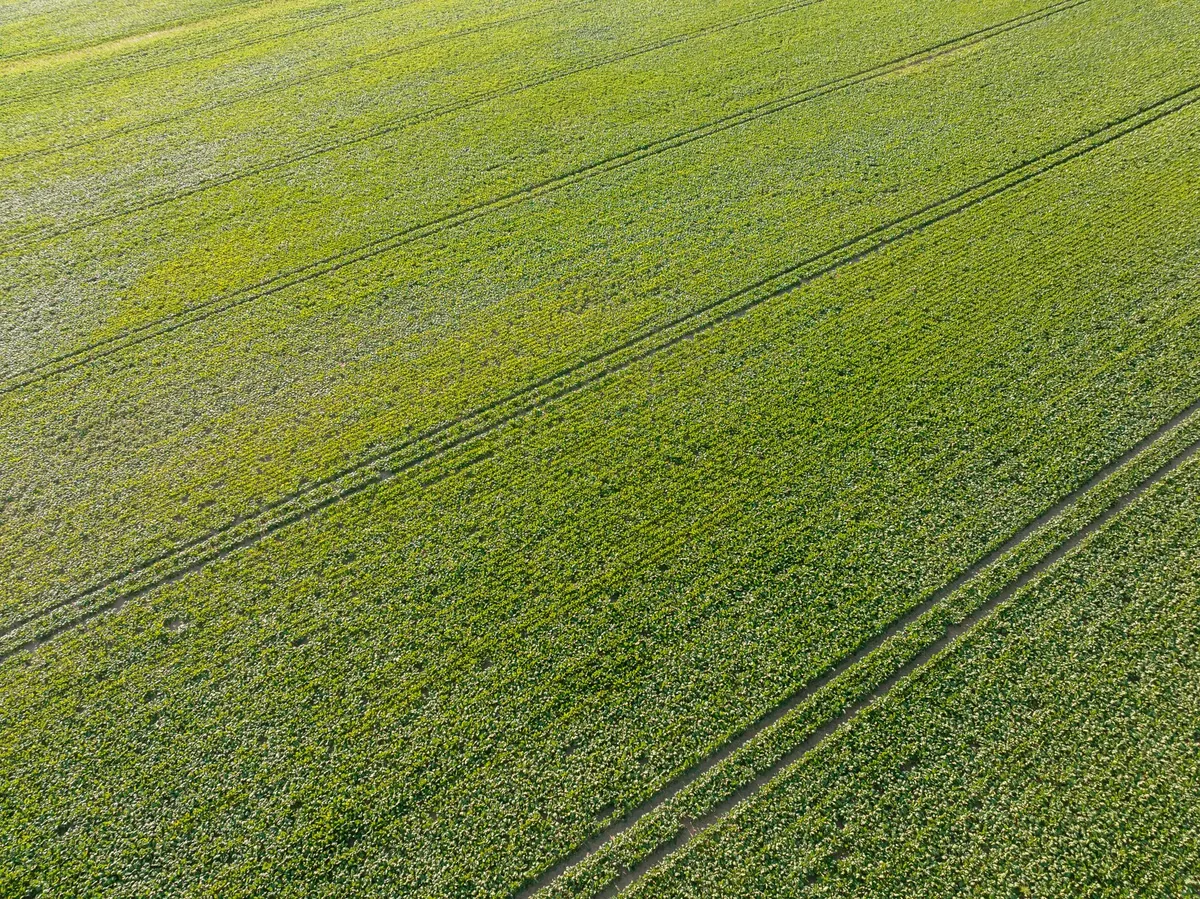
Feasibility implies that the necessary changes are technically possible. However, the effectiveness of these changes depends on global cooperation and local implementation. Global cooperation is necessary to standardize practices and share knowledge across borders.
Local implementation ensures that solutions are tailored to specific regional conditions.
- How does the global food system impact the environment?
- What are the economic and health costs of current food systems?
- How is Europe addressing these challenges through policy?
The subject here is EU sustainable farming policy.
The same subject is also called Agroecology Europe policy.
The same subject is also called Biodiversity food system EU.
The same subject is also called Resilient food Europe.
The same subject is also called Sustainable farming EU plan.
This part also covers EU policy for food resilience.
This part also covers Balancing biodiversity and food.
This part also covers European sustainable agriculture trends.
EU policy for food resilience
Related





Comments 0