Circular farming EU Green Deal: Why protect 30% land and sea
"The European Green Deal is a set of policy initiatives by the European Commission with the overarching aim of making the European Union (EU) climate neutral in 2050."
The European Green Deal provides a framework for shifting toward a circular economy to ensure climate neutrality by 2050. This approach focuses on decoupling economic growth from resource usage through innovative production and strategic policy shifts.
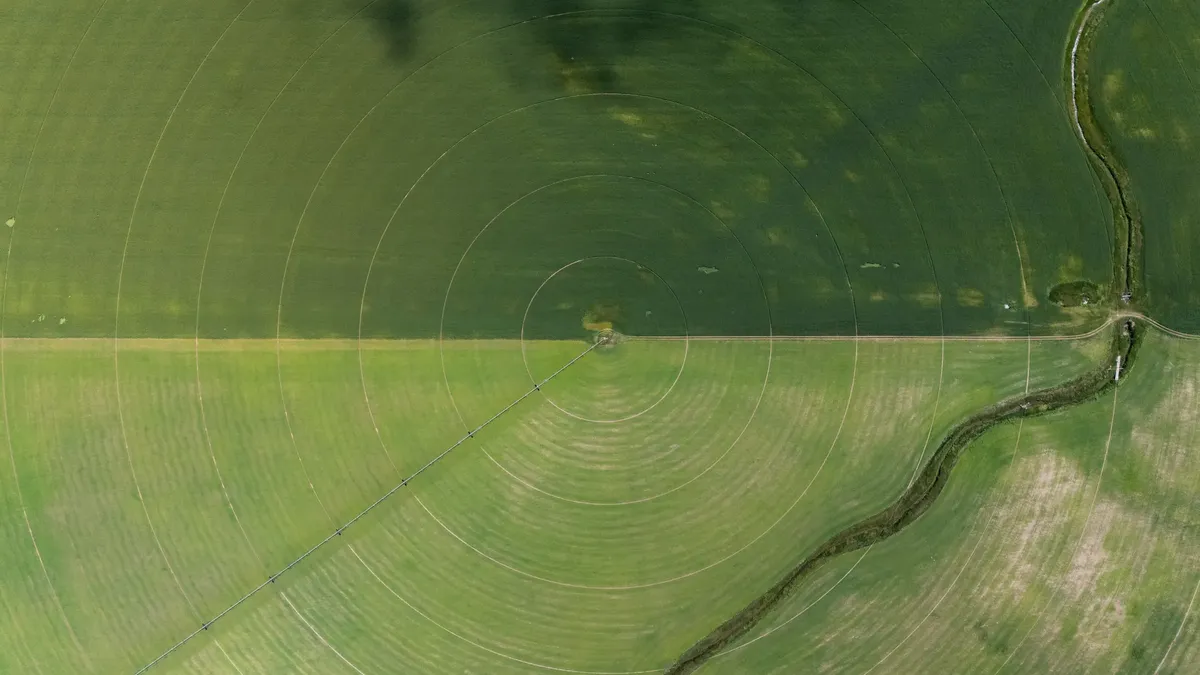
Key takeaways: * The primary goal is achieving net-zero greenhouse gas emissions by 2050. * Specific targets include increasing organic agriculture to 25% by 2030. * Protecting 30% of land and sea remains a central pillar of biodiversity.
How does the Green Deal shape the future of farming?
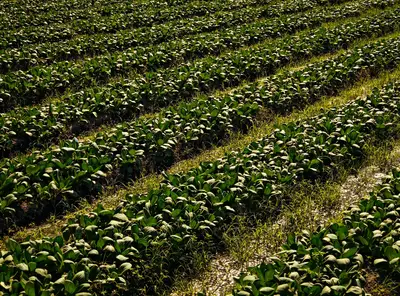
At dawn, the farmer wipes sweat from his brow while staring at the vast field where a circular economy begins to take root.
A farmer stands in a field, looking at the horizon where policy meets the soil. The transition toward more sustainable practices is driven by the foundational goals of the European Green Deal.
According to the European Commission, the strategy aims to make Europe a net-zero emitter of greenhouse gases by 2050 while demonstrating that economies can develop without increasing resource usage.
This vision for a circular economy in farming requires a fundamental shift in how nutrients and materials move through the food chain. By focusing on resource efficiency, the policy seeks to harmonize economic stability with environmental preservation.
What are the specific targets for organic agriculture? Circular farming EU Green Deal
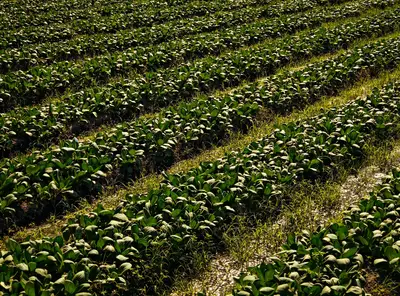
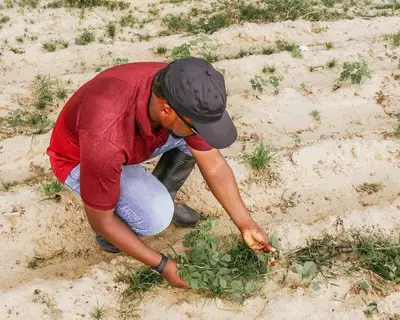
The technician kneels in the damp soil at noon, tracing a circular pattern in the dirt to mark the new organic boundaries.
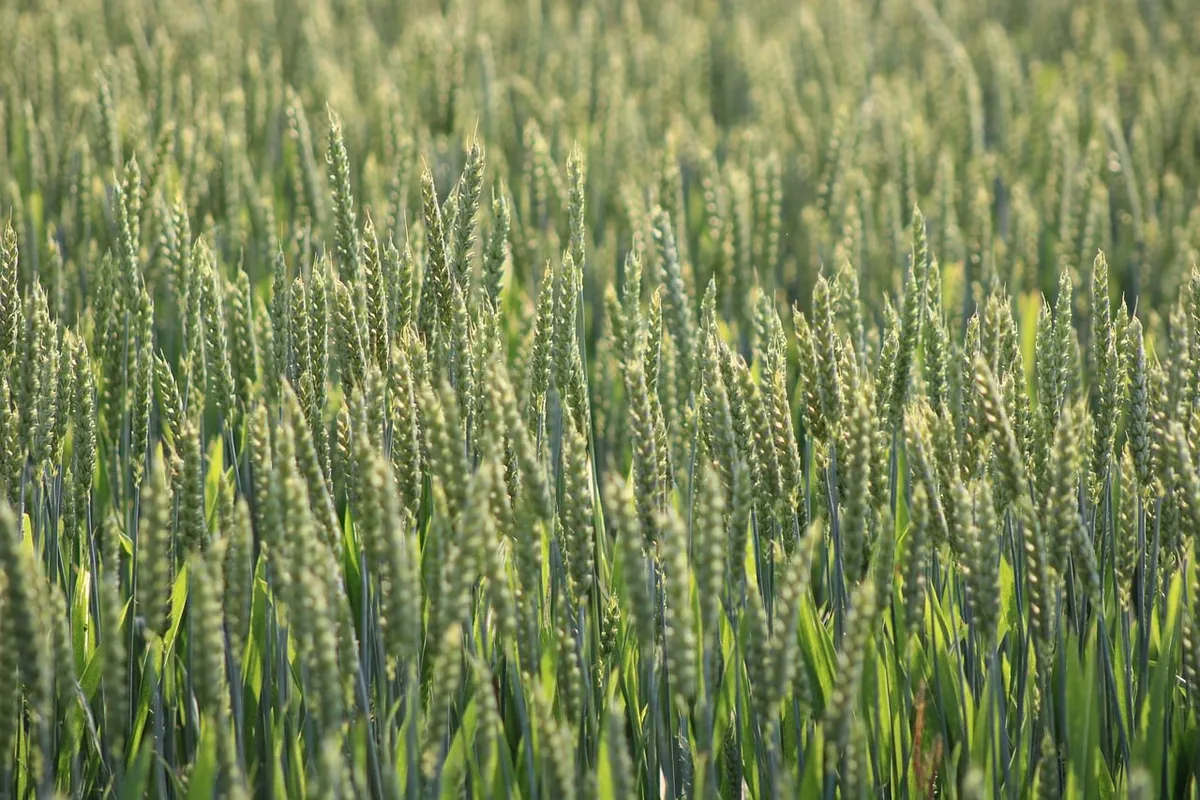
A technician examines a soil sample, noting the transition toward natural inputs. The roadmap for an EU circular agriculture policy includes specific milestones to transform land management.
One of the key objectives within these strategies is making 25% of EU agriculture organic by 2030. This shift aims to reduce chemical dependency and promote healthier ecosystems. Moving toward these goals requires rethinking traditional intensive methods to favor regenerative practices.
How will biodiversity be protected in this new model?
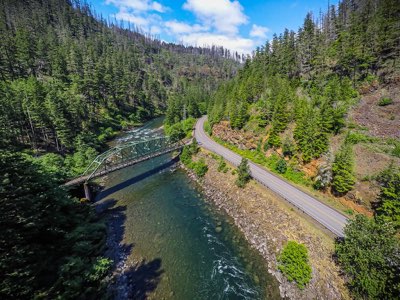
A researcher walks through a dense, old-growth forest, documenting the variety of life. The EU Biodiversity Strategy for 2030 provides a clear framework for land and sea conservation.
The strategy includes targets to protect 30% of the sea territory and 30% of the land territory, with a particular focus on primary forests and old-growth forests. This protection is vital for maintaining the natural services that agriculture relies upon.
Strengthening these safeguards helps ensure that the transition to a circular economy in farming remains grounded in biological reality.
What measures address chemical use in food production?
A scientist monitors a water sample from an aquaculture facility, checking for chemical traces. To protect both human health and the environment, the framework addresses the use of substances in food production.
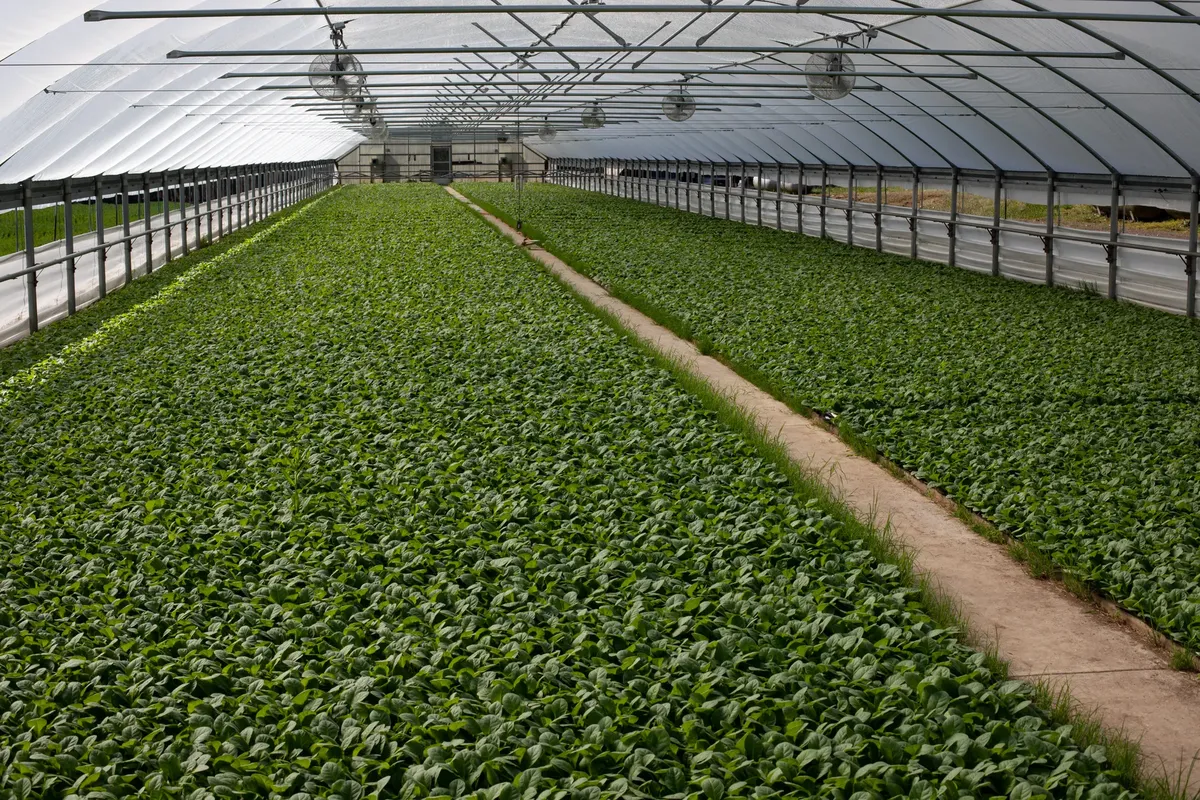
The policy aims to reduce the use of antimicrobials in agriculture and antimicrobials in aquaculture by 50% by 2030. This reduction is a critical component of the Green Deal's broader mission to protect natural health.
By limiting these substances, the EU aims to foster more resilient agricultural systems.
How is the transition funded and implemented?
An official reviews budget allocations for environmental projects in a quiet office. The implementation of these vast changes requires significant financial and administrative coordination.
The European budget allocates 25% of its total to fight climate change, with a large portion dedicated to restoring biodiversity and nature-based solutions. This funding supports the implementation of the European Green Deal through various regional and local initiatives.
These resources are essential for providing the tools necessary for a successful Green Deal farming approach.
What are the limitations of these policy shifts?
A policy analyst studies a map of changing land-use patterns across the continent. While the goals are ambitious, the scope of these changes depends on various regional factors.
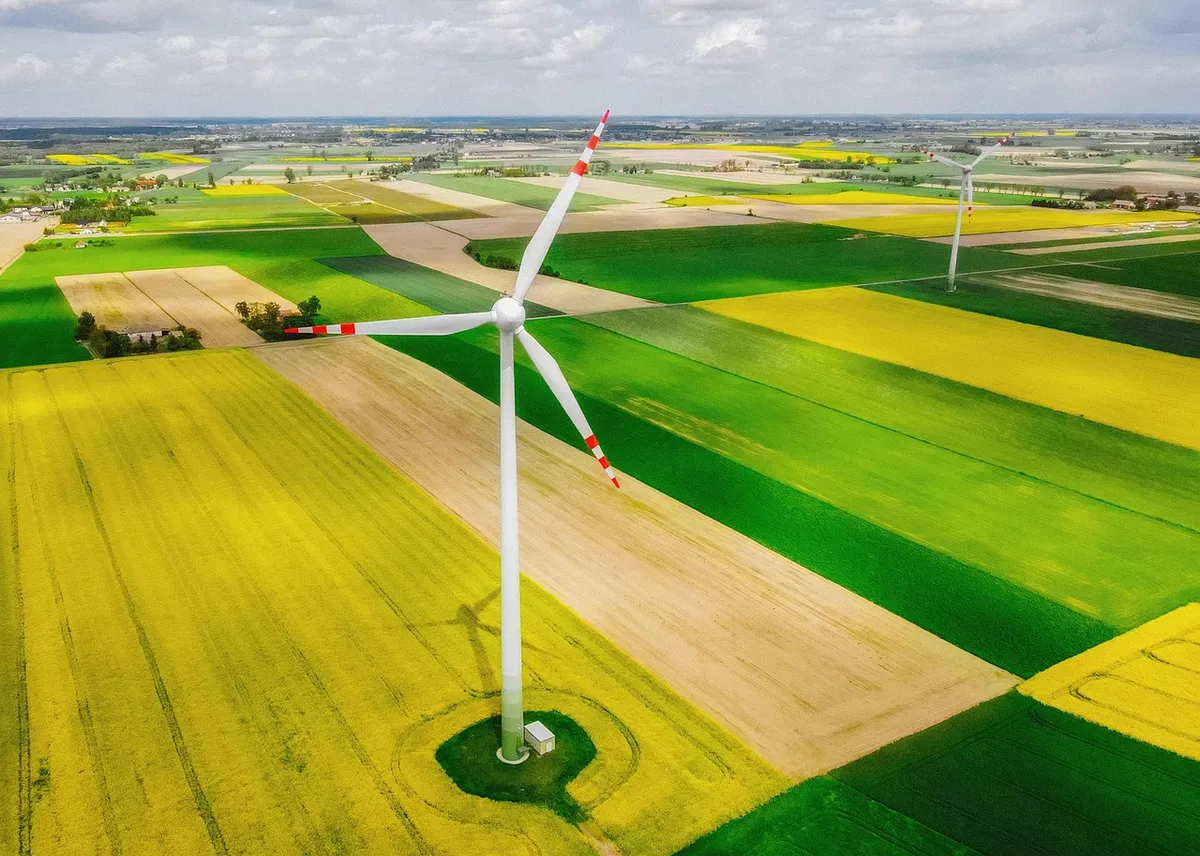
The 57% emission reduction target at 2030 represents average global reductions, while advanced economies are expected to contribute more.
This means that while the framework is comprehensive, the specific impact and ease of implementation may vary depending on the existing economic conditions of individual member states.
The subject here is Circular farming EU Green Deal.
The same subject is also called Sustainable agriculture models.
The same subject is also called Innovative food production.
This part also covers Resource efficient farming methods.
This part also covers Green Deal impact on crops.
Related
- Global farm subsidy analysis: Impact on developing nations
- 12.7 trillion costs: Future farming for food security guide
How does the European Green Deal compare to previous environmental policies? 1. The European Green Deal represents a comprehensive framework that integrates climate neutrality with economic restructuring, which differs from prior, more siloed environmental efforts. 2. This current policy emphasizes decoupling economic growth from resource consumption, a concept that was less central in earlier regulatory approaches. 3. The focus on a circular economy provides a systemic overhaul, contrasting with previous measures that might have addressed single environmental problems in isolation.
What are the conditions for achieving the European Green Deal's goals? 1. Achieving the net-zero emissions goal by 2050 is conditional upon widespread adoption of sustainable agricultural practices across the Union. 2. The successful protection of land and sea areas depends on effective implementation of the Biodiversity Strategy for 2030. 3. The reduction in chemical use is contingent upon adherence to the mandated percentage decreases in antimicrobials.
The European Green Deal's ambition requires that member states align their regional economic activities with the overarching EU objectives.
This alignment is necessary because the 57% emission reduction target at 2030 is an average global reduction, meaning local conditions influence the actual outcome.
Furthermore, the shift toward organic agriculture necessitates a fundamental change in farming methodologies, moving away from intensive systems toward regenerative ones. This transition is supported by the European budget allocation, which dedicates a substantial portion to nature-based solutions.
The commitment to protecting 30% of land and sea territory serves as a biological safeguard, ensuring that the economic transition remains viable within ecological limits. This protection is intrinsically linked to the health of the natural systems that support food production.


Comments 0