Why should we prioritize reducing pesticide use in farming?
"The great transition we are embarking upon requires a fundamental shift in how we manage our natural resources to ensure a sustainable future for all living organisms."
To manage the risks of chemical exposure while promoting ecological health, farmers must adopt integrated strategies that prioritize organic transitions and habitat protection.
This guide outlines how to align agricultural practices with global sustainability targets, such as the goal to make 25% of EU agriculture organic by 2030.
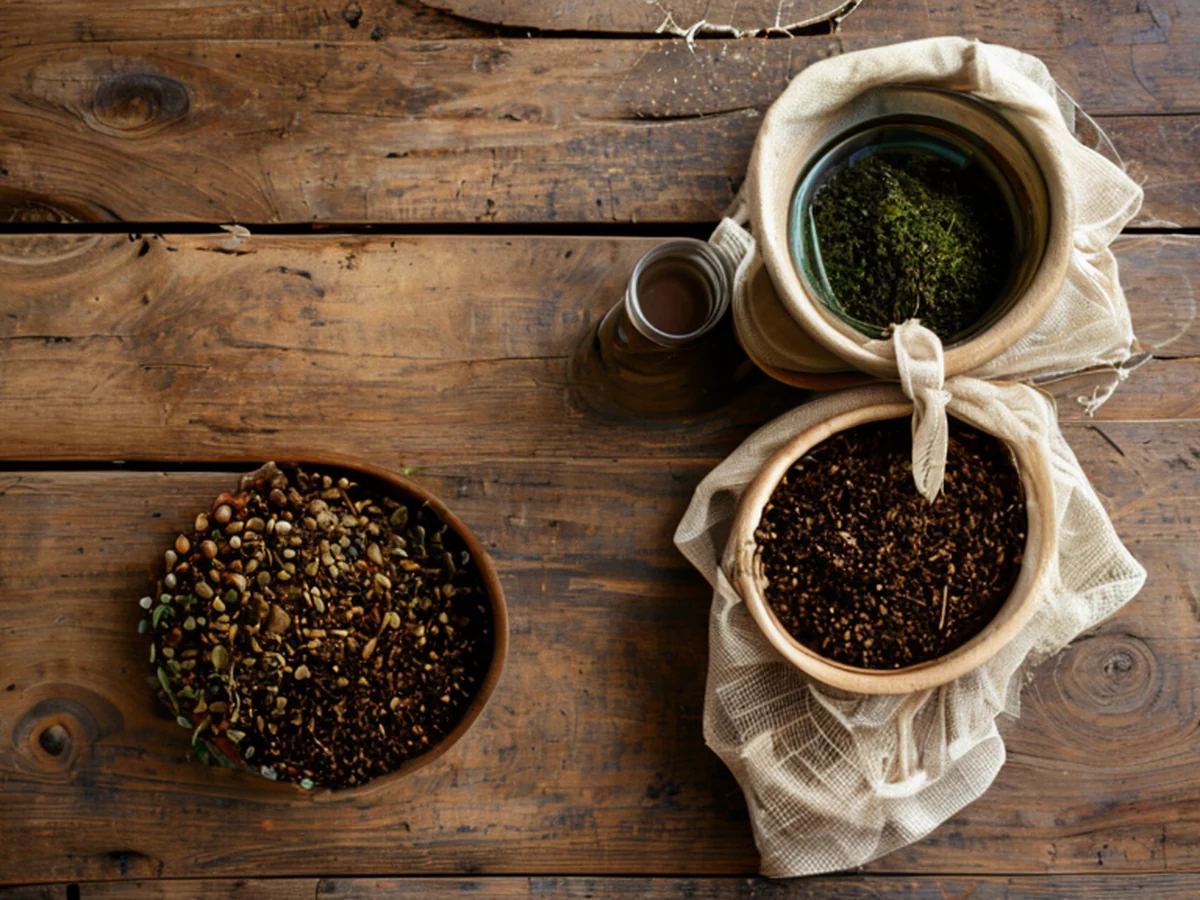
Key takeaways include understanding the human cost of pesticide use, implementing organic farming methods, and protecting natural ecosystems to ensure long-term agricultural resilience.
Why should we prioritize reducing pesticide use in farming?
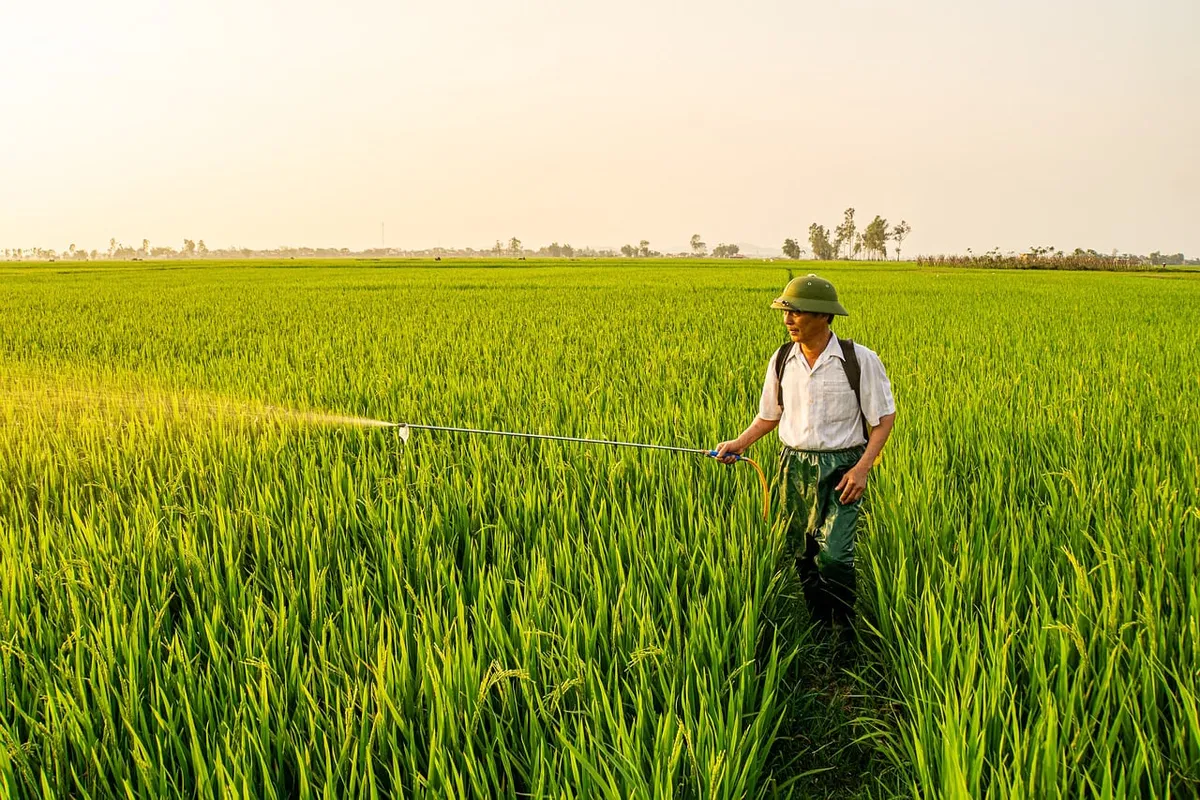
At dawn in the silent field, the farmer wipes sweat from his brow and wonders why he should continue breathing the sharp, stinging scent of chemicals.
A farmer stands at the edge of a vast field, looking at the chemical sprayer used to combat pests. The heavy scent of chemicals lingers in the air, a reminder of the risks involved in traditional intensive agriculture.
The human cost of chemical use is a significant driver for change. According to the World Health Organization, it was estimated in 1992 that three million pesticide poisonings occur annually, causing 220,000 deaths.
This historical data highlights the urgency of moving toward safer, more sustainable methods.
Shifting toward organic methods can mitigate these dangers. By reducing reliance on synthetic chemicals, we can protect both human health and the environment. This transition is part of a broader movement to harmonize food production with biological safety.
Reducing chemical dependency preserves soil health and protects beneficial insect populations essential for pollination.
How can we achieve biodiversity in agriculture?
A scientist walks through a meadow, observing the variety of insects and plants thriving in an uncultivated patch. The vibrant colors of wildflowers contrast with the uniform rows of nearby crops.
Protecting natural habitats is essential for maintaining a healthy agricultural environment. The EU Biodiversity Strategy for 2030 includes targets to protect 30% of the sea territory and 30% of land territory, especially primary forests and old-growth forests.
These protected areas serve as vital reservoirs for pollinators and beneficial organisms.
Integrating nature into farm layouts helps sustain these populations. Creating corridors of wild growth between fields allows for a natural balance of species. This approach supports the resilience of crops by encouraging natural pest control through a diverse ecosystem.
Integrating various crop species and maintaining natural habitats around fields fosters a resilient ecosystem.
What are the steps for lower pesticide application?
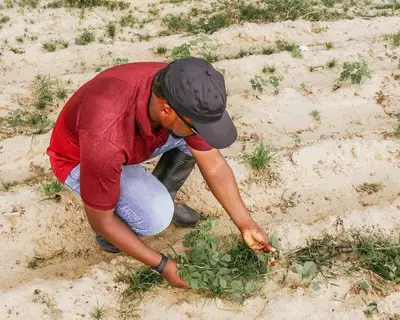
A gardener carefully inspects a leaf, looking for signs of pests before deciding on a natural intervention. The sun warms the soil as they prepare to implement a new management strategy.
Moving toward a lower chemical footprint requires a structured approach. You can follow these steps to transition your management:
- Transition toward organic practices to meet specific regional targets, such as the goal of making 25% of EU agriculture organic by 2030. 2. Establish natural barriers and wild zones to protect 30% of land and sea territories, which helps maintain biodiversity. 3. Monitor ecosystem health to ensure that management problems do not threaten more than 50% of the surface area where ecosystems are in Europe.
I have observed that these gradual shifts in management require patience and careful observation of the land.
- Monitor crop health through regular field inspections.
- Implement biological controls to manage pest populations.
- Apply targeted treatments only when strictly necessary.
How can we implement natural balance farming?
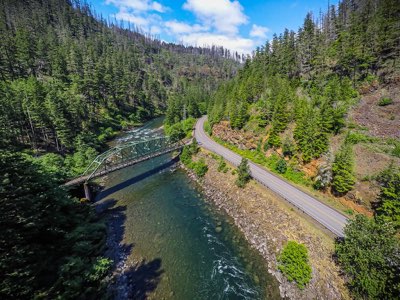
A technician monitors a sensor in a forest, checking the health of the local ecosystem. The quiet rustle of leaves provides a backdrop to the data-driven task of environmental management.
Sustainable farming relies on the strength of the surrounding environment. One of the major aims of the European Green Deal is to at least double or even triple the current refurbishment rate of approximately 1%.
Such improvements in land and resource management contribute to a more stable environment.
Using nature-based solutions is a core part of this strategy. A large portion of the 25% of the European budget dedicated to fighting climate change will be used for restoring biodiversity and nature-based solutions. These investments help build a foundation for natural balance farming.
I believe the second step in this process is the most critical for long-term stability.
What does a sustainable pest management guide entail?
A farmer sits at a wooden table, reviewing a seasonal plan that incorporates crop rotation and biological controls. The notebook is filled with observations about seasonal changes and insect life.
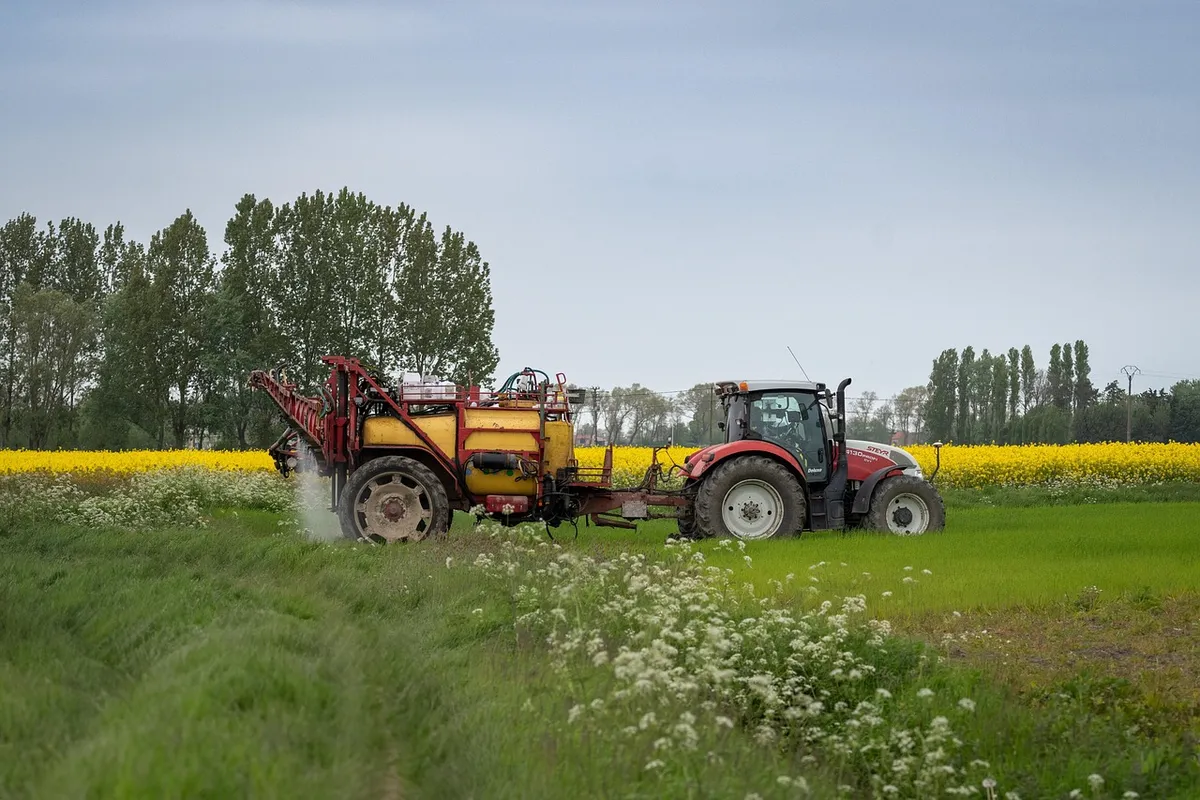
Effective management involves looking at the whole landscape. The EU aims to protect 30% of land and 30% of sea, while creating stricter safeguards around new and old growth forests. This holistic view ensures that pest management does not come at the cost of vital habitats.
Effective strategies must address current threats to ecosystems. Currently, more than 50% of all surface area where ecosystems are in Europe are presented with threats from management problems and stresses. A sustainable guide focuses on reducing these stresses through smarter land use.
A comprehensive guide focuses on preventative measures, cultural practices, and the use of compatible biological agents.
Related
- What is the primary goal of the European Green Deal?
- Climate change farming innovation: Why policy reform is best
What are the conditions for a successful ecological transition? 1. The great transition requires that agricultural practices align with global sustainability targets. 2. Protecting natural ecosystems must occur alongside implementing organic farming methods. 3. Understanding the human cost of pesticide use serves as a critical impetus for this shift.
Successfully achieving the great transition depends on addressing the current threats to ecosystems across Europe. More than half of the surface area where ecosystems exist in Europe faces risks from management problems and stresses.
Therefore, the focus must remain on reducing these pressures through informed land utilization.
The commitment to the EU Biodiversity Strategy for 2030 mandates specific land and sea protections. This strategy aims to safeguard 30% of the sea territory and 30% of the land territory, particularly focusing on primary and old-growth forests.
These reserved areas function as crucial supports for beneficial species.
Achieving the great transition also involves careful monitoring of ecosystem health. This continuous observation ensures that any management issues do not compromise more than 50% of the surface area where ecosystems are located in Europe.
Patience and attentive observation of the land are necessary components of these gradual changes in management.
Success requires continuous soil monitoring, diverse crop rotation, and the integration of local ecological knowledge.

Comments 0