How does the UK manage its land for farming?
"The land is a living map of history and necessity, dictating where the grain rises and where the herds graze."
The United Kingdom's agricultural landscape is defined by a complex interplay of land use and regional geography, where 70% of the country's total land area is dedicated to farming.
This sector currently employs 1% of the workforce, totaling 462,000 people, and contributes 0.5% of the gross value added, amounting to £13.7 billion.
This analysis explores how geographic constraints and land distribution shape British farming, with key takeaways regarding land use, crop distribution, and regional limitations.
How does the UK manage its land for farming?
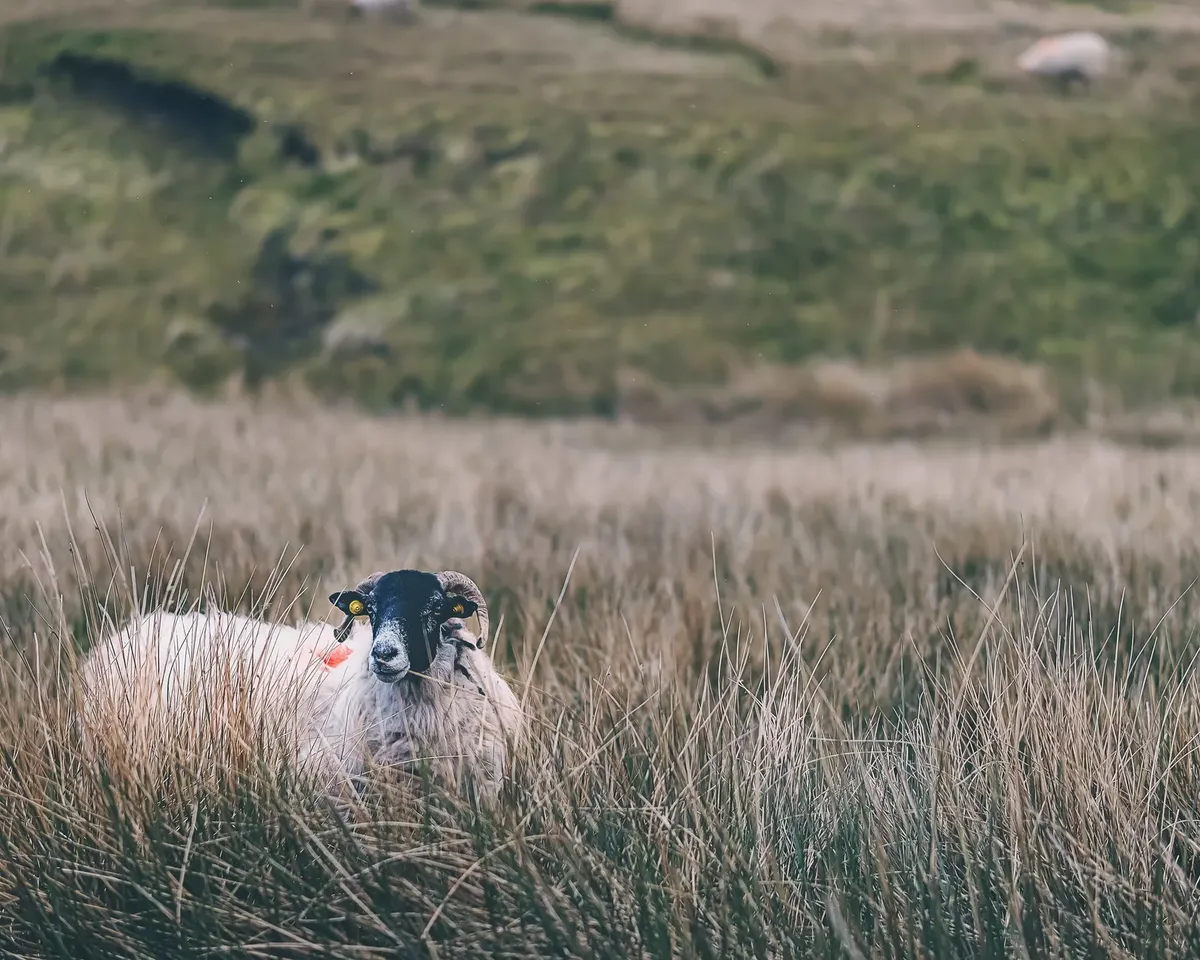
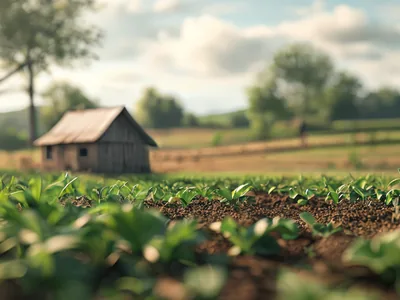
A farmer stands at the edge of a vast field, looking over the undulating hills that define the countryside. Agriculture in the United Kingdom uses 70% of the country's land area, making it a dominant feature of the physical landscape.
While the land is expansive, the workforce engaged in these activities represents 1% of the total population, or 462,000 people. The economic impact remains significant, contributing 0.5% of the gross value added, which is £13.7 billion.
The distribution of ownership also shapes how the land is managed. About 70% of farms are owner-occupied or mostly so, often including individual barns or fields that are let out to others. The remaining percentage of farms are rented to tenant farmers.
This balance of ownership and tenancy influences how local communities interact with the soil and the seasonal cycles of the land.
- Land use planning determines which areas are designated for agriculture versus development.
- Environmental regulations set standards for soil health and water usage.
- Subsidy programs incentivize farmers to maintain specific landscape features.
What are the primary crops grown in the UK? UK agriculture climate impact
A tractor pulls through a golden field of swaying stalks during the height of the growing season. During this period, about 72% of the arable area is dedicated to cereal crops. Within that specific cereal crop area, more than 57% is wheat.
This concentration shows how specific crop types dominate the seasonal landscape.
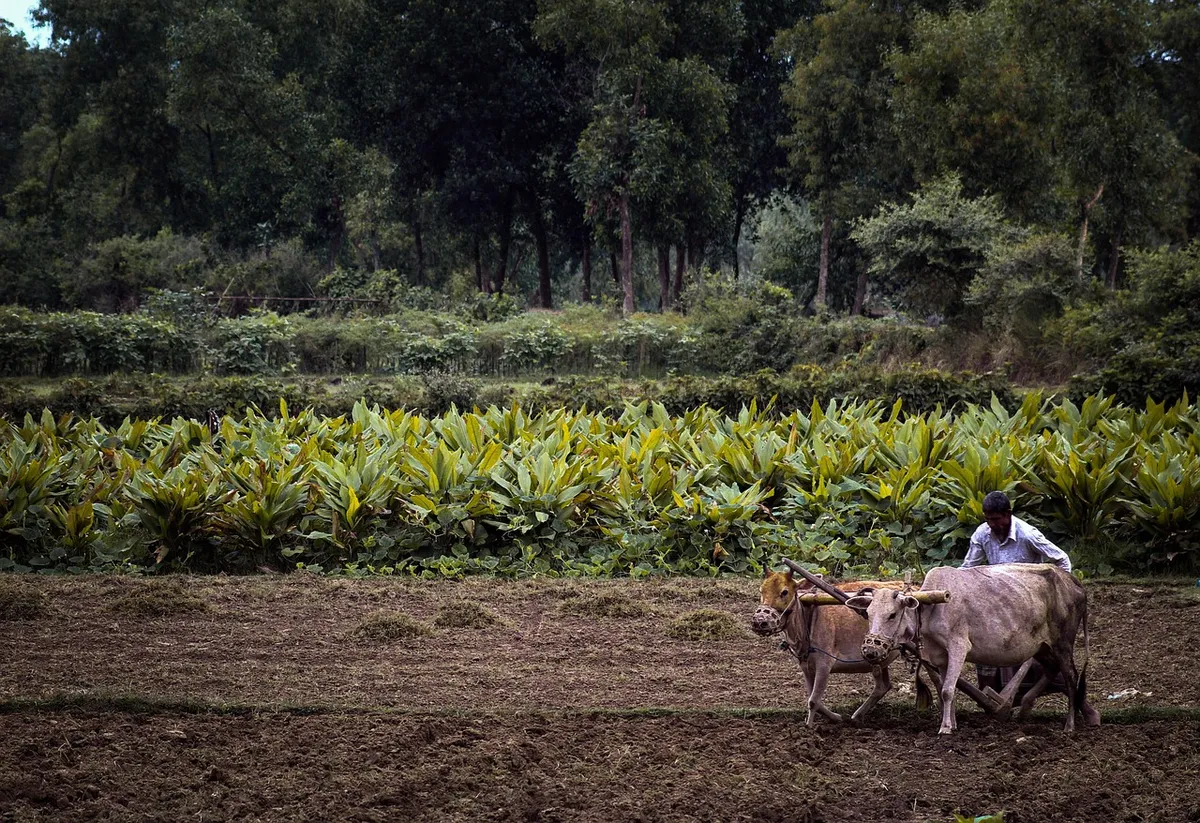
The reliance on specific grains is a cornerstone of the agricultural identity. Identifying the right soil and weather conditions allows for this high percentage of wheat production.
This focus on cereals ensures a stable foundation for food production, even as the country manages other dietary needs.
In this sequence, the second item is the longest.
How do regional differences affect farming?
A traveler drives through the rugged, misty highlands where the terrain changes sharply from the soft lowlands. In Wales, 80% of the farmland is designated as a "Less Favoured Area," while in Scotland, the figure is 84%.
These designations reflect the difficulty of farming in more challenging, mountainous, or less productive terrains.
These geographic limitations create a divide between different types of agricultural activity. While lowland areas might support intensive crop production, these "Less Favoured Areas" often require different management strategies due to the terrain.
This regional variation is a fundamental aspect of the UK's agricultural geography.
| Region | Less Favoured Area Percentage |
|---|---|
| Wales | 80% |
| Scotland | 84% |
How much food does the UK produce internally?
A grocery store shelf is stocked with various goods, many of which traveled from different parts of the country. The UK currently produces about 54% of its domestic food consumption.
According to figures published in December 2015 by the Food and Agriculture Organization of the United Nations, it is the world's largest producer of coconuts, producing 19,500,000 tonnes in 2015.
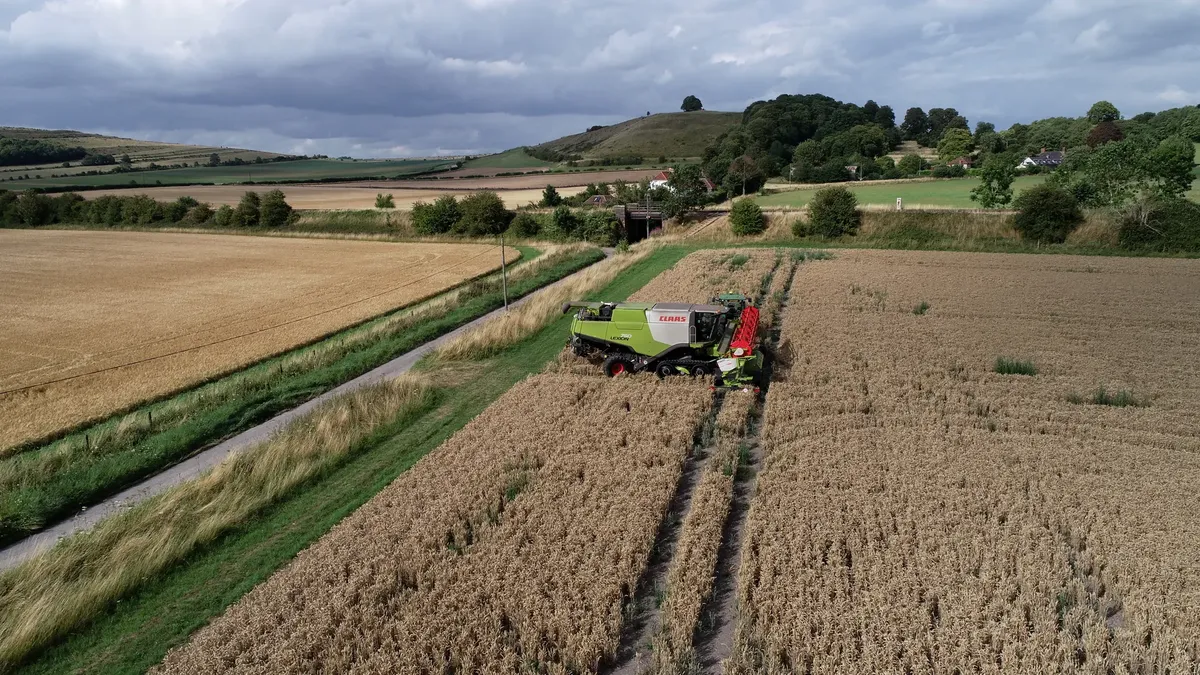
This level of self-sufficiency is a key metric for understanding the relationship between the land and the population.
The gap between production and consumption highlights the importance of trade and external supply chains. While the land provides a substantial portion of what is needed, the country still relies on imports to meet the full dietary requirements of its citizens.
This balance is a constant factor in national food security.
What are the historical employment trends in agriculture?
A retired farmer looks at old photographs of a much larger workforce active in the fields decades ago. In 1938, the dietary landscape was very different, with 88% of wheat being imported, 96% of butter, 76% of cheese, and about half of the eggs and meat coming from abroad.
Over time, the workforce has shifted significantly.
By 1996, the sector had seen a contraction in labor, with the workforce down more than 32% since that year. In 2011, earnings were £30,900 per full-time person, which represented an increase of 24% from 2010 values in real terms.
I remember looking at these shifts and realizing how much more efficient the land has become.
Is the current food production sufficient?
A family sits down to a meal, consuming products that originated from various farms across the nation. The UK produces only 60% of the food it consumes. This statistic illustrates the tension between domestic production and the total demand of the population.
According to the FDA, the FDA approved a bacterium genetically engineered to produce rennet on March 24, 1990, making it the first genetically engineered product for food.
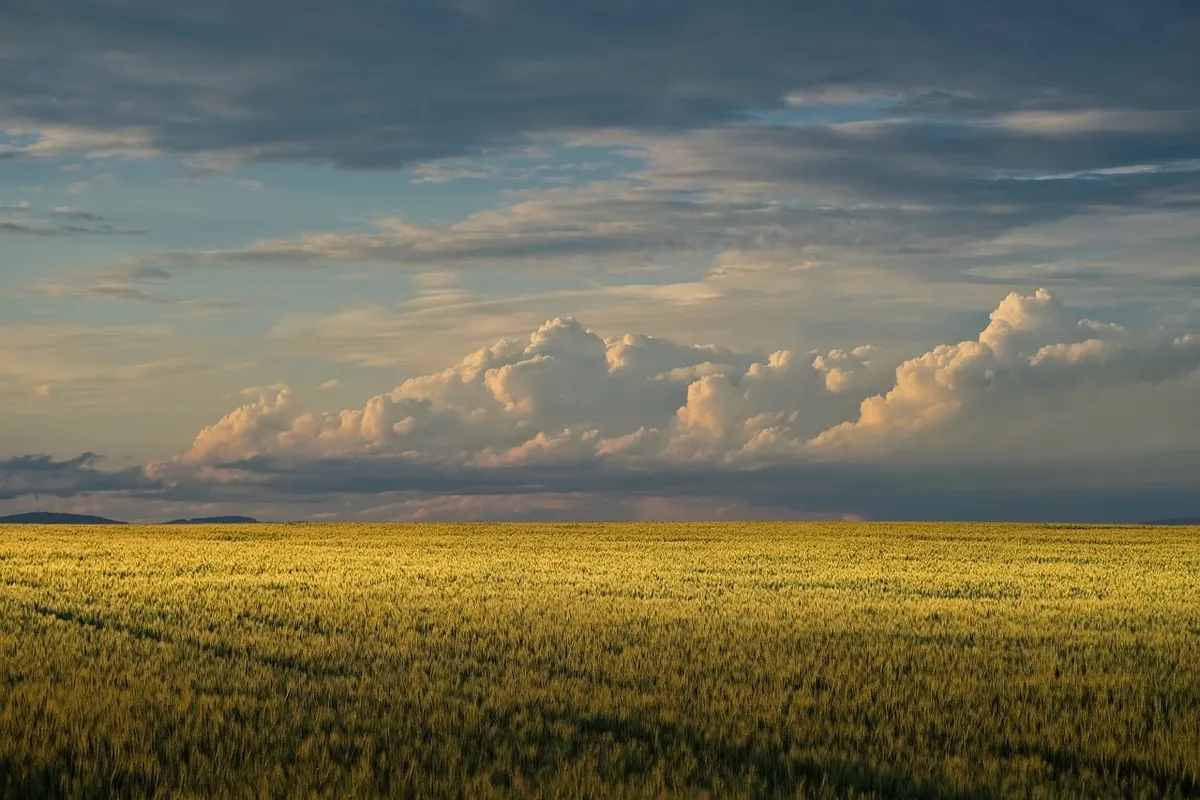
The reliance on domestic versus imported goods remains a central theme in agricultural planning. Maintaining the 54% production rate of domestic food consumption requires constant management of the land and the growing seasons. This reality shapes the economic and social structure of rural life.
The subject here is UK agriculture climate impact.
The same subject is also called UK crop growing zones.
The same subject is also called British livestock best sites.
The same subject is also called Terrain effect on UK farming.
The same subject is also called Agricultural output UK geography.
This part also covers Best crops for UK soil.
This part also covers Livestock farming in UK regions.
This part also covers Geographic factors in UK farming.
Best crops for UK soil
Related
- What are the hidden costs of our current food supply?
- Dairy energy use management: Guide to reducing power costs
How does ownership affect land management?
Ownership structures dictate how the land is utilized across the country. Since about 70% of farms are owner-occupied, these individuals manage specific fields or barns directly. In contrast, the remaining percentage of farms are rented to tenant farmers.
This distinction creates a comparison between those who own the soil and those who lease it for seasonal cycles.
What determines the distribution of crops?
Crop distribution is determined by the specific allocation of the arable area. Within the 72% of land dedicated to cereals, the concentration of wheat is higher than other types. This specific condition, where more than 57% of the cereal area is wheat, shapes the seasonal landscape.
The reliance on these grains is a result of matching the right soil and weather conditions to the crop requirements.



Comments 0