Harvest storage guide: Tips for crop keeping
"The preservation of a harvest is the preservation of a season's hard work."
Effective harvest storage requires maintaining specific environmental controls to prevent spoilage and nutrient loss. This guide covers fundamental strategies for managing yields, such as temperature regulation and moisture control, to ensure long-term viability.
You will learn how to organize storage spaces, the importance of separation, and how to handle different crop types. This guide is intended for small-scale growers and family farm operators seeking to extend their harvest lifespan.
How can I implement a proper harvest storage plan?
At dawn, I drag heavy crates across the dusty cellar floor to organize the seasonal harvest.
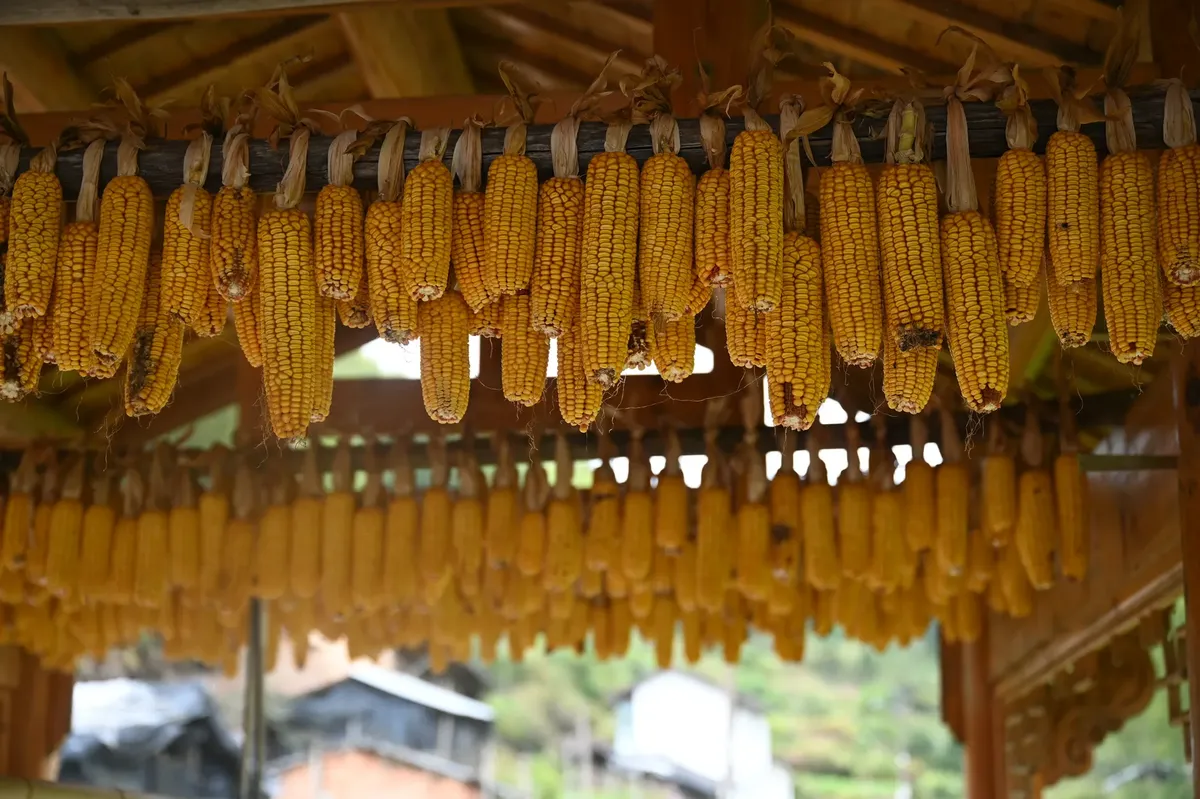
A farmer walks through a cool, dim warehouse, checking the humidity levels near the wooden crates. Establishing a systematic approach to crop keeping tips ensures that the quality of the produce remains consistent from the moment it leaves the field.
The first step involves selecting an appropriate environment that matches the specific biological needs of the crop. For example, leafy greens require high humidity, while root vegetables often need cooler, drier conditions.
You must ensure that the storage area is clean and free from pests before bringing in any new yields.
The second step focuses on organized placement to prevent physical damage. Using ventilated containers or shelving allows for better airflow, which is essential for preventing mold growth. Proper airflow prevents heat buildup within the piles of produce.
The third step requires regular monitoring of the storage environment. Checking temperature and moisture levels daily helps catch potential issues before they lead to massive losses. A final check of the inventory ensures that older stock is used first to maintain freshness.
- Assess your total harvest volume to determine necessary space requirements.
- Select appropriate containers and shelving units based on the crop type.
- Establish a clear rotation schedule to ensure older stock is used first.
What are the best storage environment settings?
A gardener adjusts the thermostat in a small cellar, feeling the cool air settle over the baskets of harvested vegetables. Finding the best storage environment is critical for preventing premature decay and maintaining the nutritional value of the harvest.
Different crops have vastly different requirements for temperature and light. Some vegetables thrive in dark, cool spaces to prevent sprouting, while others might require specific airflow to stay crisp. Matching these needs to your available space is the core of successful management.
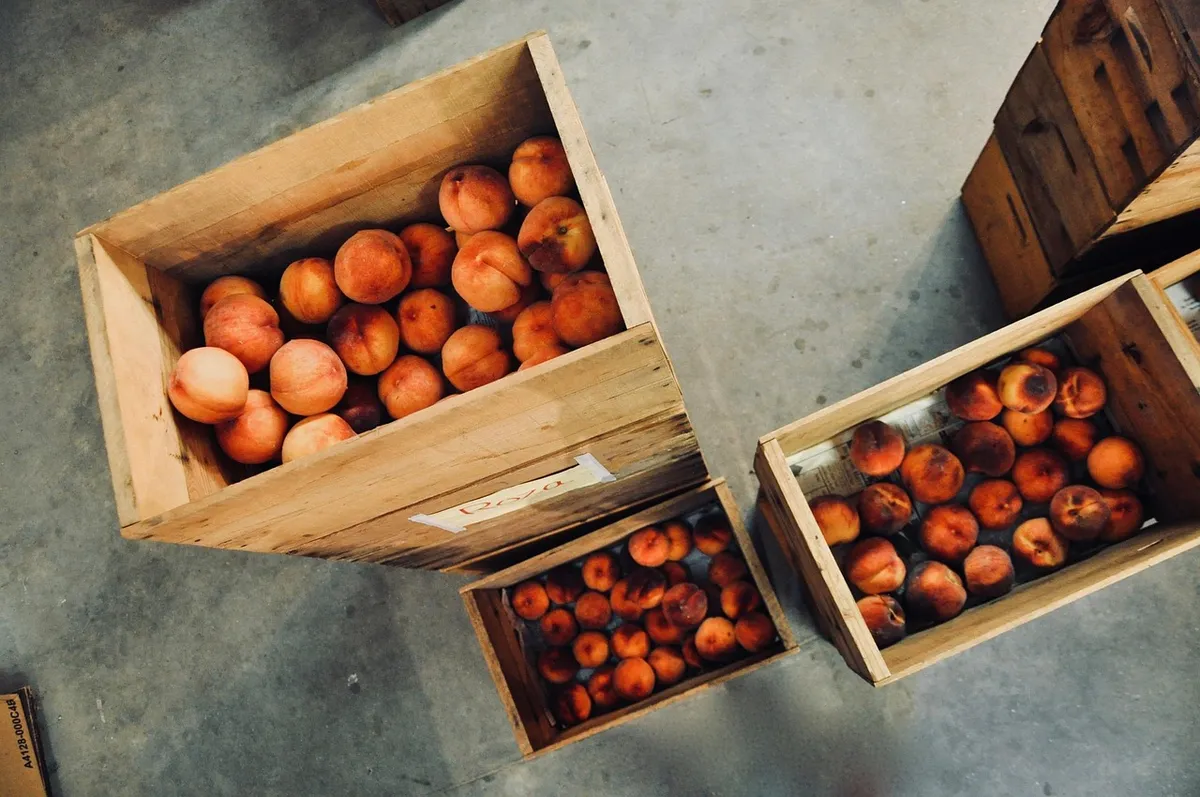
A successful harvest storage strategy often involves grouping similar crops together to maintain a consistent microclimate. This prevents the accidental exposure of sensitive items to the wrong conditions. By managing these variables, you can successfully extend crop lifespan.
Maintain consistent temperature and humidity levels to prevent spoilage and moisture loss. Ensure adequate airflow throughout the storage area to prevent the buildup of ethylene gas and heat.
How do I handle crop keeping tips for different varieties?
As sunset approaches, I carefully lift each heavy crate in the warehouse to apply different crop keeping tips for a successful harvest.
A distributor carefully separates ripe tomatoes from unripe ones in a large plastic bin. Applying specific crop keeping tips helps manage the natural ethylene gas produced by certain fruits, which can cause nearby vegetables to ripen too quickly.
When storing various items, it is helpful to separate ethylene producers, such as apples, from ethylene-sensitive items, like leafy greens. This separation prevents much of the spoilage that occurs in mixed storage.
Effective management also involves understanding the shelf life of each variety. You should always prioritize the use of items that are nearing their peak ripenness. This organized approach is a key part of long term crop storage.
Group similar varieties together to prevent cross-contamination and mismatched environmental needs. Be mindful of ethylene-sensitive crops, as storing them near ethylene-producing fruits can lead to premature ripening.
How to store crops effectively in limited spaces?
A smallholder farmer carefully stacks crates in a compact, ventilated shed. Learning how to store crops in smaller or more specialized areas is essential for those operating on smaller plots of land.
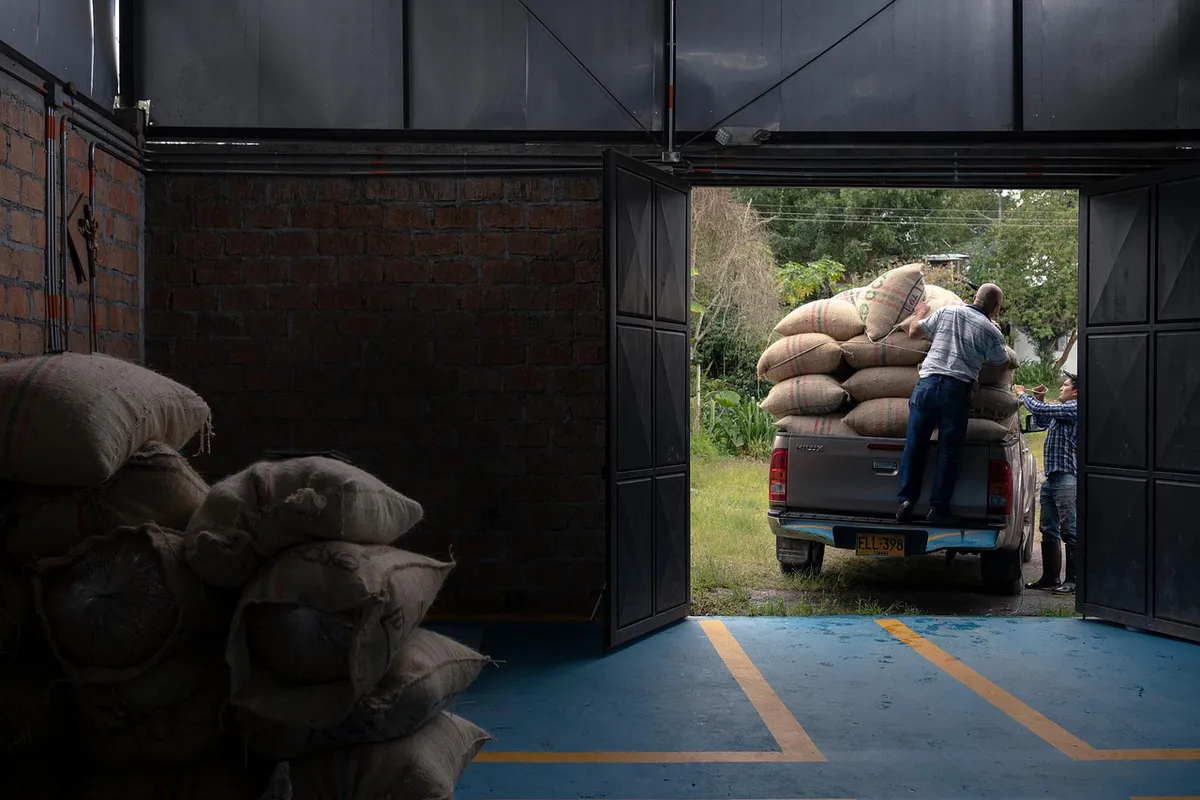
In limited spaces, vertical storage using shelving can maximize the available area while maintaining necessary airflow. It is important not to overcrowd the containers, as tight packing can lead to bruising and trapped moisture.
Properly managing space also means ensuring that every item has adequate ventilation. Even in tight quarters, air must be able to circulate around the entire harvest to prevent localized heat pockets.
Utilize vertical shelving to maximize floor space and ensure all items remain accessible. Use transparent, stackable containers to monitor inventory levels without needing to reorganize the entire area.
What are the key elements of effective post harvest care?
An agricultural worker inspects a shipment of fresh produce, looking for signs of moisture or bruising. Consistent post harvest care is necessary to maintain the quality that was achieved during the growing season.
Post harvest care begins with the immediate cleaning and sorting of the harvest. Removing damaged or diseased items immediately prevents the spread of spovery to healthy crops.
Maintaining the right humidity levels is another pillar of care. For many crops, keeping a certain level of moisture in the air prevents wilting and dehydration.
Proper cooling immediately after harvest is essential to slow down respiration rates. Regular inspections for pests, diseases, or bruising help prevent single damaged items from spoiling an entire batch.
How to manage different scales of production?
A family farmer looks over their organized barn, where various crops are neatly categorized. Managing storage needs can vary significantly depending on the scale of the operation, from small family plots to larger commercial efforts.
According to the Federal Bureau of Statistics, the provisionally valued major crop yields were Rs.504,868 million in 2005, representing a 55%+ growth since 2000, while minor crop yields were valued at Rs.184,707 million in 2005, representing a 41%+ growth since 2000.
| Feature | Small-scale Storage | Large-scale Storage |
|---|---|---|
| Primary Focus | Manual monitoring | Automated climate control |
| Space Usage | Vertical shelving | Large-scale cold rooms |
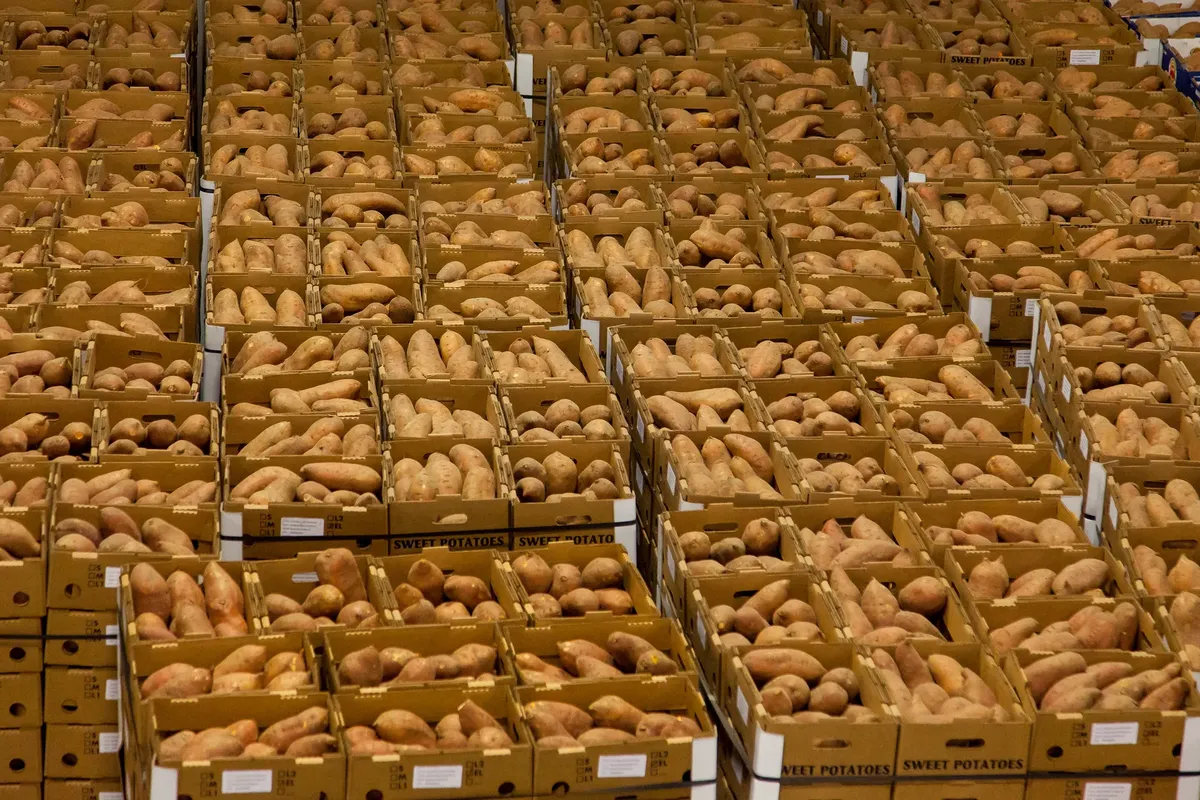
I found that adjusting the ventilation in my own small storage area was the most effective way to prevent rot during the first week of storage. For larger operations, the scale of equipment changes, but the biological principles remain the same.
A limitation of these general storage methods is that they cannot fully compensate for crops that were harvested at an improper maturity level or were already damaged during the harvest process.
Small-scale operations should focus on frequent, smaller batches to maintain freshness. Larger-scale operations require standardized climate-controlled facilities and rigorous inventory management systems to handle high volumes efficiently.
Related
- Indoor hydroponics tools list: Tips for water usage guide
- How to choose best tools for your backyard garden plot
When should I consider advanced preservation techniques? Advanced preservation techniques become necessary when the volume of the harvest exceeds the capacity of simple, controlled storage. If the sheer quantity of the harvest overwhelms the space available, more intensive methods must be employed to maintain quality. These advanced steps build upon the fundamental principles of temperature and moisture control discussed previously.
- When the scale of the harvest necessitates it, the grower should transition from manual monitoring to automated climate control. This shift is evident when moving from small-scale storage to large-scale storage operations. 2. The biological principles governing the preservation of the harvest remain constant regardless of the scale of production. 3. A caution exists that these advanced methods cannot compensate for initial damage sustained during the harvest process.
How does crop separation aid in preservation? Crop separation directly addresses the chemical interactions between different types of produce during storage. By isolating ethylene producers from sensitive items, the rate of spoilage is significantly reduced. This careful segregation is a key element in successful harvest preservation.
Separating items prevents the premature ripening of vegetables that are sensitive to ripening gases. This organized approach helps maintain the intended shelf life for each individual crop variety.
Proper separation ensures that the microclimate within the storage area remains stable for all stored goods.


Comments 0